Teeth grinding, also known as bruxism, is a common condition where people clench or grind their teeth, often without realising it. It can happen during the day or while sleeping, and over time it can lead to tooth damage, jaw pain, headaches, and TMJ problems.
Many people only discover they grind their teeth when symptoms start affecting their comfort, sleep, or dental health.
What Is Teeth Grinding (Bruxism)?
Bruxism is the involuntary habit of grinding, clenching, or gnashing the teeth.
It is usually divided into two types:
Awake bruxism – clenching during the day, often linked to stress or concentration
Sleep bruxism – grinding during sleep, often unnoticed until symptoms appear
Sleep bruxism is particularly damaging because it can occur for long periods without awareness.
Common Signs and Symptoms of Teeth Grinding
Many people don’t realise they grind their teeth until symptoms develop, such as:
Jaw pain or tightness, especially in the morning
Headaches or temple pain
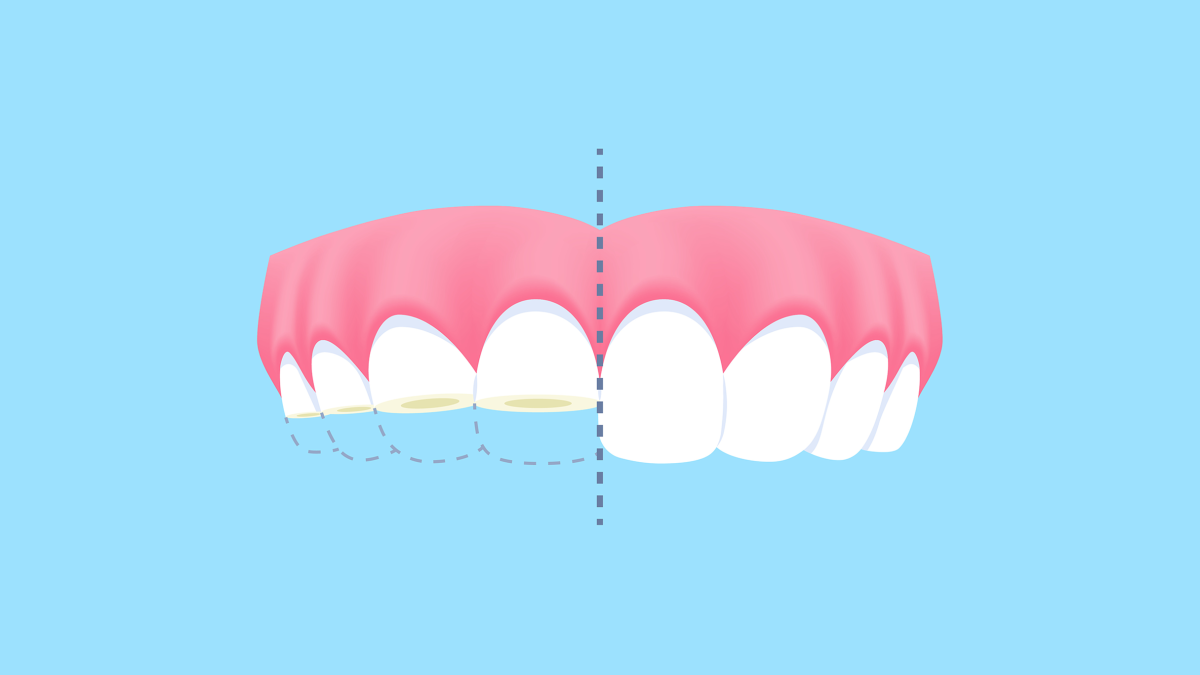
Worn, flattened, or chipped teeth
Tooth sensitivity
Clicking or sore jaw joints
Ear pain or pressure
Facial muscle fatigue
Disturbed sleep or waking tired
A partner may also notice grinding sounds during sleep.
What Causes Teeth Grinding?
There is rarely a single cause of bruxism. It is usually a combination of physical, psychological, and functional factors.
Stress and Anxiety
Stress is one of the most common triggers. Many people clench their jaw unconsciously during stressful situations or while sleeping.
Sleep Disorders
Teeth grinding is often linked to sleep disturbances, including sleep apnea, which can trigger jaw clenching during breathing interruptions.
Bite and Jaw Alignment
An uneven bite or jaw imbalance can contribute to muscle overactivity and grinding.
Lifestyle Factors
High caffeine intake
Alcohol consumption
Smoking or vaping
Poor sleep habits
TMJ Dysfunction
Teeth grinding and TMJ disorder often occur together, creating a cycle of jaw strain and inflammation.
How Teeth Grinding Affects Your Teeth and Jaw
If left untreated, chronic bruxism can lead to serious dental and jaw issues, including:
Cracked or fractured teeth
Flattened tooth surfaces
Gum recession
Jaw muscle pain
TMJ disorder development or worsening
Increased tooth sensitivity
Headaches and facial pain
Over time, the constant pressure can significantly affect oral health.
Teeth Grinding and TMJ Connection
Bruxism places excessive stress on the temporomandibular joint, which can lead to:
Jaw clicking or popping
Jaw stiffness or locking
Chronic TMJ pain
Facial tension and soreness
Headaches or migraines
This is why many patients with TMJ disorder also grind their teeth, especially at night.
Teeth Grinding and Sleep Quality
Sleep bruxism can disrupt normal sleep cycles, leading to:
Poor sleep quality
Morning fatigue
Frequent waking during the night
Headaches on waking
Dry mouth
In some cases, it may be linked to sleep apnea or airway restriction, where the body responds by clenching the jaw during breathing interruptions.
How to Stop Teeth Grinding Naturally
Stress Management
Since stress is a major trigger, relaxation techniques such as breathing exercises, meditation, and physical activity can help reduce clenching.
Jaw Awareness
During the day, try to keep the teeth slightly apart and the jaw relaxed.
Reduce Stimulants
Limiting caffeine and alcohol, especially in the evening, may reduce nighttime grinding.
Improve Sleep Habits
Good sleep hygiene can reduce sleep disturbances that contribute to bruxism.
Dental Treatment Options for Teeth Grinding
Custom Night Guards
A night guard is one of the most effective treatments. It protects teeth from wear and reduces pressure on the jaw joints during sleep.
TMJ Therapy
If bruxism is linked to TMJ dysfunction, treatment may include jaw exercises, muscle therapy, or bite evaluation.
Bite Assessment
A dentist may assess your bite to identify uneven pressure points contributing to grinding.
Sedation Dentistry (for Severe Cases or Anxiety)
For patients with significant dental anxiety, sedation may help during restorative treatments needed due to grinding damage.
When to See a Dentist
You should seek dental advice if you notice:
Jaw pain or tightness in the morning
Frequent headaches
Visible tooth wear or damage
Jaw clicking or discomfort
Interrupted sleep or fatigue
Early treatment can prevent long-term damage to teeth and jaw joints.
Conclusion
Teeth grinding (bruxism) is a common but often hidden condition that can seriously affect your teeth, jaw, and sleep quality. It is closely linked to stress, TMJ disorder, and sometimes sleep-related breathing issues.
The good news is that with early diagnosis and the right treatment — such as night guards, stress management, and TMJ care — most patients can significantly reduce symptoms and protect their teeth long-term.