
Most people think of gum disease as just a dental problem — bleeding gums, bad breath, or sensitivity. But research shows that gum health is closely linked to your overall health, including your heart, brain, immune system, and even diabetes control.
In other words, your gums don’t just affect your smile — they can reflect what’s happening in your entire body.
What Is Gum Disease?
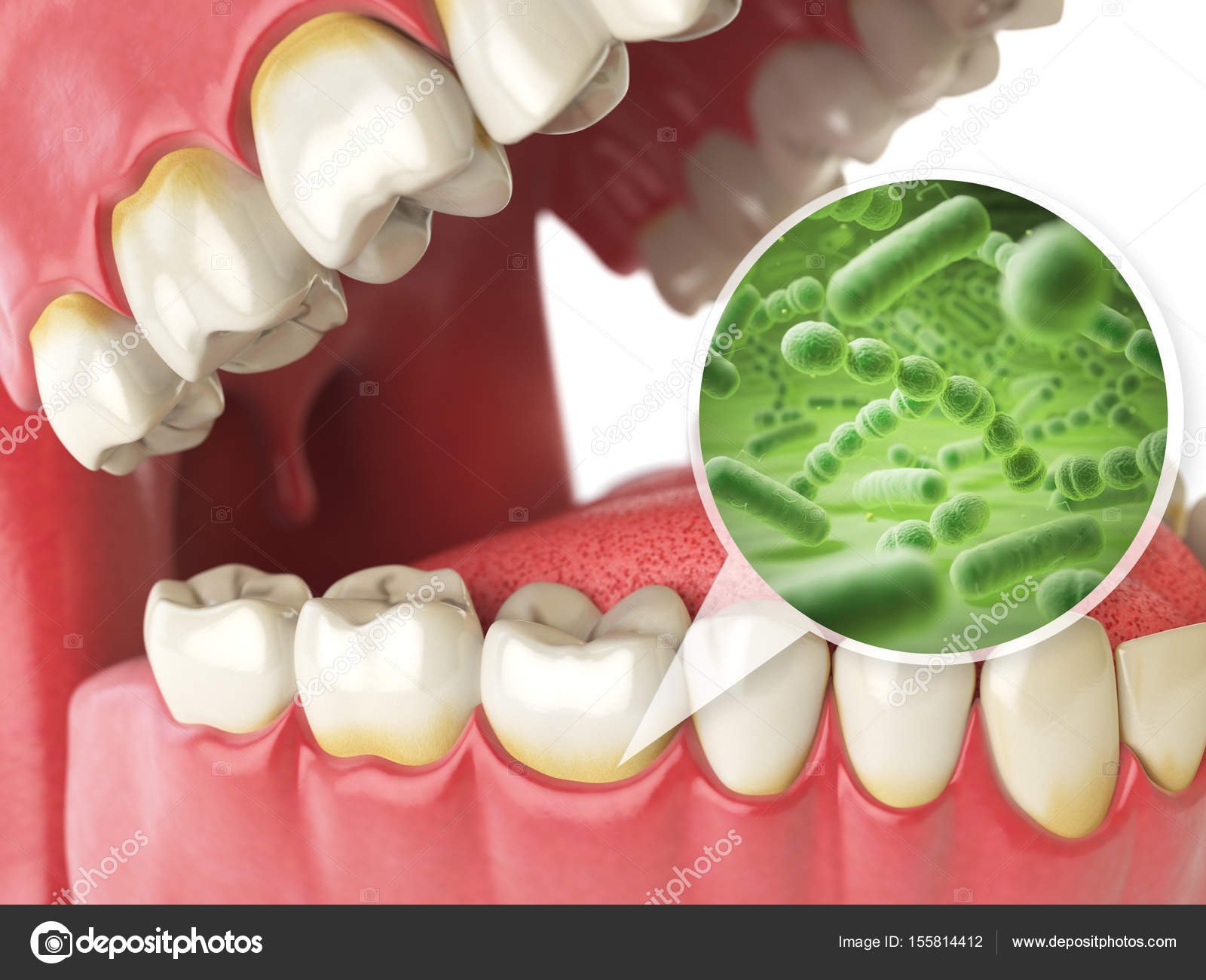
Gum disease (periodontal disease) is an infection of the tissues that support your teeth. It usually starts with inflammation of the gums (gingivitis) and can progress to more advanced stages if left untreated.
Common signs include:
Bleeding gums when brushing or flossing
Red, swollen, or tender gums
Persistent bad breath
Gum recession (teeth looking longer)
Loose teeth in advanced cases
Early gum disease is reversible, but advanced stages can cause permanent damage.
The Link Between Gum Health and Heart Health
One of the most researched connections is between gum disease and cardiovascular health.
When gums are inflamed, bacteria can enter the bloodstream and contribute to inflammation in other parts of the body. This has been associated with an increased risk of:
Heart disease
Stroke
Artery inflammation
While gum disease does not directly “cause” heart disease, chronic inflammation is a shared risk factor that affects both conditions.
Gum Disease and Diabetes
There is a two-way relationship between gum health and diabetes.
People with diabetes are more prone to gum infections because high blood sugar levels can weaken the body’s ability to fight bacteria.
At the same time, untreated gum disease can make it harder to control blood sugar levels.
This creates a cycle where:
Poor gum health worsens diabetes control
Poor diabetes control worsens gum health
Managing both conditions together is essential for overall health.
Gum Health and the Immune System
Chronic gum inflammation puts stress on the immune system. When the body is constantly fighting infection in the gums, it can lead to:
Increased systemic inflammation
Reduced immune efficiency
Slower healing response
This is why people with untreated gum disease may feel more generally unwell or fatigued over time.
Gum Disease and Brain Health
Emerging research suggests a possible connection between gum disease and cognitive health, including conditions such as memory decline.
Inflammatory bacteria from the mouth may contribute to inflammation in the brain over time, although more research is still ongoing in this area.
Gum Health and Pregnancy
Hormonal changes during pregnancy can make gums more sensitive and prone to inflammation, a condition known as “pregnancy gingivitis.”
Poor gum health during pregnancy has been linked with increased risks of complications, which is why dental care is especially important during this time.
How Gum Disease Affects Everyday Life
Even before serious health effects occur, gum disease can impact daily comfort and confidence.
You may notice:
Bad breath that doesn’t go away
Gum bleeding when brushing
Sensitivity when eating
Changes in smile appearance
Discomfort while chewing
These symptoms often develop slowly, making regular dental check-ups important.
What Causes Gum Disease?
The main cause of gum disease is plaque buildup, but several factors can increase risk:
Poor oral hygiene
Smoking or vaping
Diabetes
Stress
Poor diet (high sugar intake)
Genetics
Dry mouth conditions
When plaque is not removed, it hardens into tartar, leading to inflammation and infection.
How to Improve Gum Health
Daily Cleaning Routine
Brushing twice a day and flossing daily helps remove plaque before it causes inflammation.
Regular Dental Cleanings
Professional cleanings remove hardened tartar that cannot be cleaned at home.
Healthy Diet
A balanced diet low in sugar supports both gum and overall health.
Stop Smoking
Smoking is one of the biggest risk factors for gum disease and slows healing significantly.
Manage Health Conditions
Controlling conditions like diabetes can greatly improve gum health outcomes.
Why Gum Health Matters for Your Whole Body
Healthy gums are not just about teeth — they are part of your body’s immune and inflammatory system.
Poor gum health has been associated with:
Chronic inflammation
Increased systemic disease risk
Reduced quality of life
Oral pain and tooth loss
Taking care of your gums is an investment in your long-term health.
Conclusion
The connection between gum health and overall health is clear: your mouth is not separate from your body. Gum disease can influence inflammation, immunity, and even systemic conditions like heart disease and diabetes.
The good news is that gum disease is largely preventable and treatable with good oral hygiene and regular dental care.
Healthy gums support a healthy body — and a healthier life.