Do you experience frequent headaches, ear pain, jaw tension, or teeth grinding? Many people are surprised to learn these symptoms may all be connected to TMJ disorder.
TMJ problems can affect far more than just the jaw. Patients commonly experience facial pain, migraines, jaw clicking, neck tension, ear discomfort, and even sleep issues without realising the underlying cause may be related to the jaw joint.
Understanding the connection between TMJ, headaches, ear pain, and teeth grinding can help you find effective relief and improve your overall quality of life.
What Is TMJ Disorder?
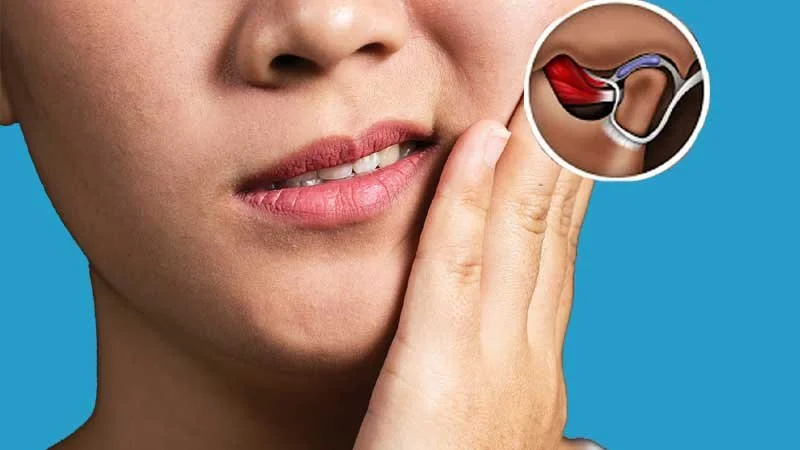
The temporomandibular joint, commonly called the TMJ, connects the jaw to the skull and allows movements such as talking, chewing, and yawning.
When this joint becomes inflamed, strained, or misaligned, it can lead to TMJ disorder, also known as TMD.
Common symptoms of TMJ disorder include:
Jaw pain or tightness
Clicking or popping jaw
Headaches or migraines
Ear pain or pressure
Teeth grinding and jaw clenching
Facial pain
Neck and shoulder tension
Difficulty opening the mouth comfortably
TMJ symptoms can range from mild discomfort to chronic pain that affects daily life.
Can TMJ Cause Headaches?
Yes, TMJ disorder can cause headaches, and this is one of the most common symptoms patients experience.
When the jaw muscles become tense or overworked, pain can radiate into the temples, forehead, and sides of the head. Many people mistake TMJ headaches for migraines or tension headaches.
Jaw clenching and teeth grinding place extra pressure on the jaw muscles and surrounding nerves, often triggering recurring headaches.
TMJ headaches are commonly felt:
Around the temples
Near the ears
Along the sides of the head
Around the jaw and cheeks
Patients often notice headaches are worse in the morning due to overnight grinding or clenching.
Can TMJ Cause Ear Pain?
Many patients with TMJ disorder experience ear pain, pressure, ringing, or a blocked sensation even when no ear infection is present.
This happens because the TMJ is located very close to the ear canal. Inflammation and muscle tension around the jaw joint can create symptoms that feel like ear problems.
Common TMJ-related ear symptoms include:
Earaches
Fullness or pressure in the ears
Ringing in the ears (tinnitus)
Pain near the ear when chewing
Clicking sounds when opening the mouth
Because TMJ and ear symptoms are closely connected, patients are often referred between doctors, dentists, and specialists before receiving the correct diagnosis.
Teeth Grinding and TMJ: What’s the Connection?
Teeth grinding, also known as bruxism, is one of the leading causes of TMJ pain.
Many people grind or clench their teeth during sleep without realising it. Over time, this places excessive pressure on the jaw joints and muscles, leading to inflammation, tightness, headaches, and facial pain.
Stress and anxiety are common triggers for jaw clenching and grinding, especially during sleep.
Signs of teeth grinding may include:
Worn or flattened teeth
Jaw soreness in the morning
Frequent headaches
Tight facial muscles
Sensitive teeth
Clicking or locking jaw
Without treatment, chronic grinding can worsen TMJ symptoms and place ongoing strain on the jaw joint.
How to Relieve TMJ Pain Naturally
Many patients can improve mild to moderate TMJ symptoms with conservative and natural treatments.
Jaw Relaxation Techniques
Reducing jaw tension is one of the most effective ways to relieve TMJ discomfort. Avoid clenching your teeth during the day and try to keep the jaw relaxed.
Warm Compresses
Applying heat to the jaw muscles can help reduce muscle tightness and improve circulation.
Soft Food Diet
Eating softer foods for a short period can reduce pressure on the jaw joint and allow inflammation to settle.
Stress Management
Because stress often contributes to teeth grinding and jaw clenching, relaxation techniques such as meditation, stretching, exercise, and improved sleep habits may help reduce symptoms.
TMJ Exercises and Stretching
Gentle jaw exercises can improve movement and reduce muscle tension. A dentist experienced in TMJ treatment may recommend exercises tailored to your symptoms.
Night Guards for Teeth Grinding
Custom night guards help protect the teeth and reduce pressure caused by overnight grinding and clenching.
For many patients, night guards significantly improve headaches, jaw pain, and muscle tension associated with TMJ disorder.
When to See a TMJ Dentist
If jaw pain, headaches, ear symptoms, or teeth grinding are becoming frequent or affecting your daily life, it may be time to seek professional care.
A dentist experienced in TMJ treatment can assess jaw function, bite alignment, muscle tension, and grinding patterns to identify the cause of your symptoms.
Early treatment often helps prevent worsening discomfort and long-term jaw problems.
Conclusion
TMJ disorder can affect much more than the jaw. Headaches, ear pain, teeth grinding, facial tension, and jaw discomfort are often closely connected.
Understanding the relationship between TMJ, bruxism, headaches, and ear symptoms is the first step toward finding relief.
With proper diagnosis, lifestyle adjustments, and professional TMJ treatment, many patients experience significant improvements in comfort, sleep, and overall quality of life.