
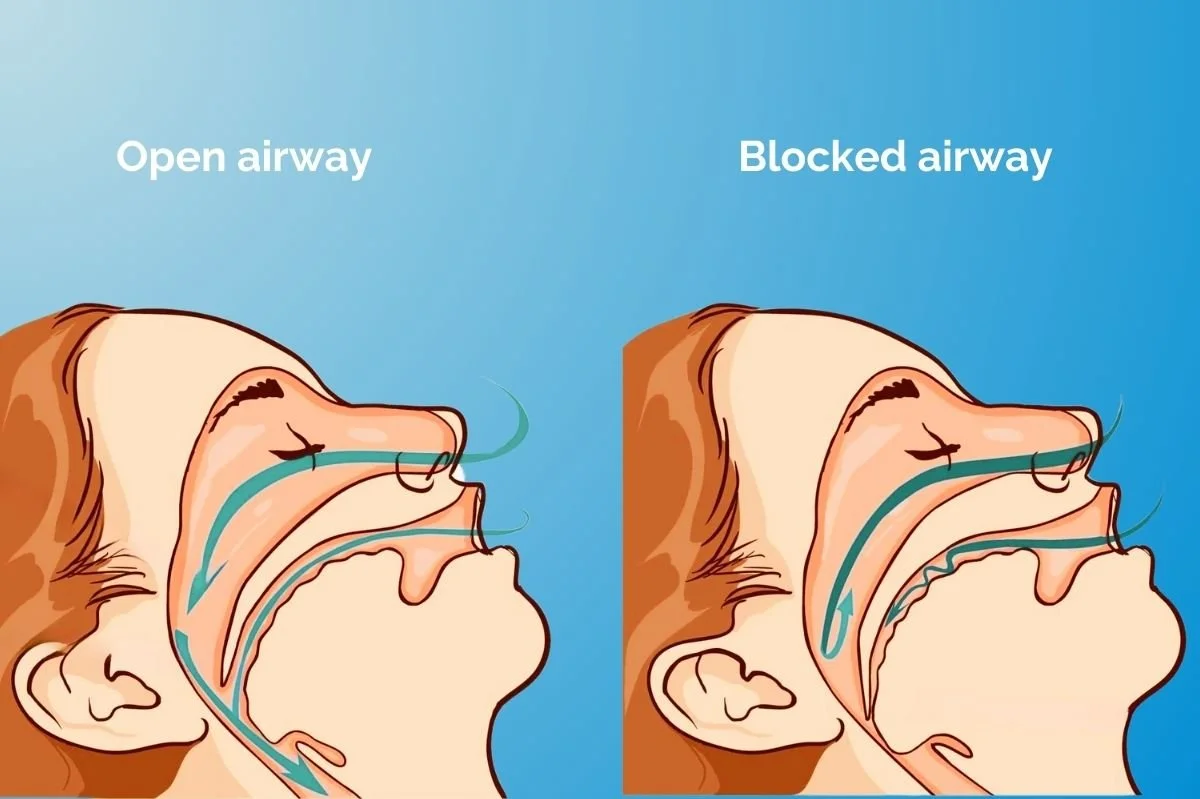
If you’re dealing with jaw pain, frequent headaches, ear pressure, teeth grinding, or poor sleep, these symptoms may be more connected than you think. Many patients are surprised to learn that TMJ disorder, bruxism (teeth grinding), and sleep apnea often occur together — and can significantly affect daily health and quality of sleep.
Understanding this connection can help you find the right diagnosis and long-term relief.
What Is TMJ Disorder?
TMJ disorder (TMD) affects the temporomandibular joint, which connects your jaw to your skull. This joint is responsible for chewing, speaking, and opening your mouth.
When the TMJ becomes strained or inflamed, it can cause a wide range of symptoms, including:
Jaw pain or tightness
Clicking or popping jaw
Facial soreness
Headaches or migraines
Ear pain or pressure
Difficulty opening the mouth fully
Neck and shoulder tension
Because the jaw joint is closely connected to surrounding muscles and nerves, TMJ symptoms can often feel widespread and confusing.
Can TMJ Cause Headaches?
Yes — TMJ disorder is a common cause of headaches.
When the jaw muscles are overworked due to clenching or misalignment, pain can spread into the temples, forehead, and sides of the head. These are often mistaken for tension headaches or migraines.
Many patients notice TMJ headaches are worse in the morning, especially if teeth grinding occurs during sleep.
Why TMJ Can Cause Ear Pain
Ear pain is another common but misunderstood symptom of TMJ disorder.
The jaw joint sits very close to the ear canal, so inflammation or muscle tension in the TMJ area can create:
Earaches
Pressure or fullness in the ears
Ringing sounds (tinnitus)
Pain when chewing or talking
Many patients initially believe they have an ear infection when the real cause is related to the jaw joint.
Teeth Grinding (Bruxism) and TMJ: A Strong Connection
Teeth grinding and jaw clenching, also known as bruxism, are strongly linked to TMJ disorder.
Many people grind their teeth during sleep without knowing it, placing excessive pressure on the jaw joints and surrounding muscles.
Over time, this can lead to:
Jaw pain or stiffness in the morning
Worn or sensitive teeth
Frequent headaches
Facial muscle fatigue
Clicking or locking jaw
Stress, anxiety, and sleep disturbances are common triggers for grinding and clenching.
How Sleep Apnea Fits Into the Picture
Sleep apnea is a sleep disorder where breathing repeatedly stops and starts during sleep. It often leads to poor sleep quality, fatigue, and reduced oxygen levels during the night.
What many people don’t realise is that sleep apnea, TMJ disorder, and teeth grinding are often connected.
When the airway becomes restricted during sleep, the body may respond by:
Clenching the jaw
Grinding the teeth
Tensing facial and neck muscles
This is the body’s way of attempting to reopen the airway, but it places significant stress on the TMJ.
Common signs of sleep apnea include:
Loud snoring
Waking up tired despite a full night’s sleep
Morning headaches
Dry mouth on waking
Daytime fatigue
Interrupted breathing during sleep
Because TMJ symptoms and sleep apnea overlap, many patients are not diagnosed correctly at first.
The TMJ–Sleep–Grinding Cycle
In many patients, these conditions create a cycle:
Sleep apnea disrupts breathing → the body clenches or grinds teeth → TMJ becomes strained → pain and inflammation increase → sleep quality worsens further.
This cycle can lead to chronic fatigue, jaw pain, headaches, and poor sleep quality if left untreated.
How to Relieve TMJ Pain Naturally
For mild to moderate symptoms, several conservative approaches may help reduce discomfort:
Jaw Relaxation
Being mindful of jaw position during the day can reduce unnecessary clenching.
Warm Compresses
Heat therapy can help relax tight jaw muscles and reduce soreness.
Soft Diet During Flare-Ups
Eating softer foods reduces stress on the jaw joint while symptoms settle.
Stress Reduction
Since stress is a major trigger for grinding and TMJ pain, relaxation techniques such as breathing exercises, stretching, and improved sleep habits can help.
Night Guards
A custom night guard helps protect the teeth and reduce damage from grinding. It may also reduce strain on the TMJ during sleep.
Sleep Apnea Management
If sleep apnea is suspected, a professional sleep assessment is important. Treatment options may include oral appliances designed to improve airway function during sleep.
When to See a TMJ or Sleep Dentist
If you are experiencing ongoing jaw pain, headaches, ear symptoms, teeth grinding, or poor sleep, it’s important to seek professional assessment.
A dentist experienced in TMJ and sleep dentistry can evaluate jaw function, bite alignment, and airway concerns to identify the root cause of symptoms.
Early diagnosis can significantly improve comfort, sleep quality, and long-term oral health.
Conclusion
TMJ disorder, teeth grinding, headaches, ear pain, and sleep apnea are often closely connected. These conditions can influence each other, creating a cycle of pain, tension, and poor sleep.
The good news is that with the right diagnosis and treatment, many patients experience significant relief and improved sleep quality.
If you are struggling with these symptoms, professional assessment is the first step toward better jaw health and better rest.