
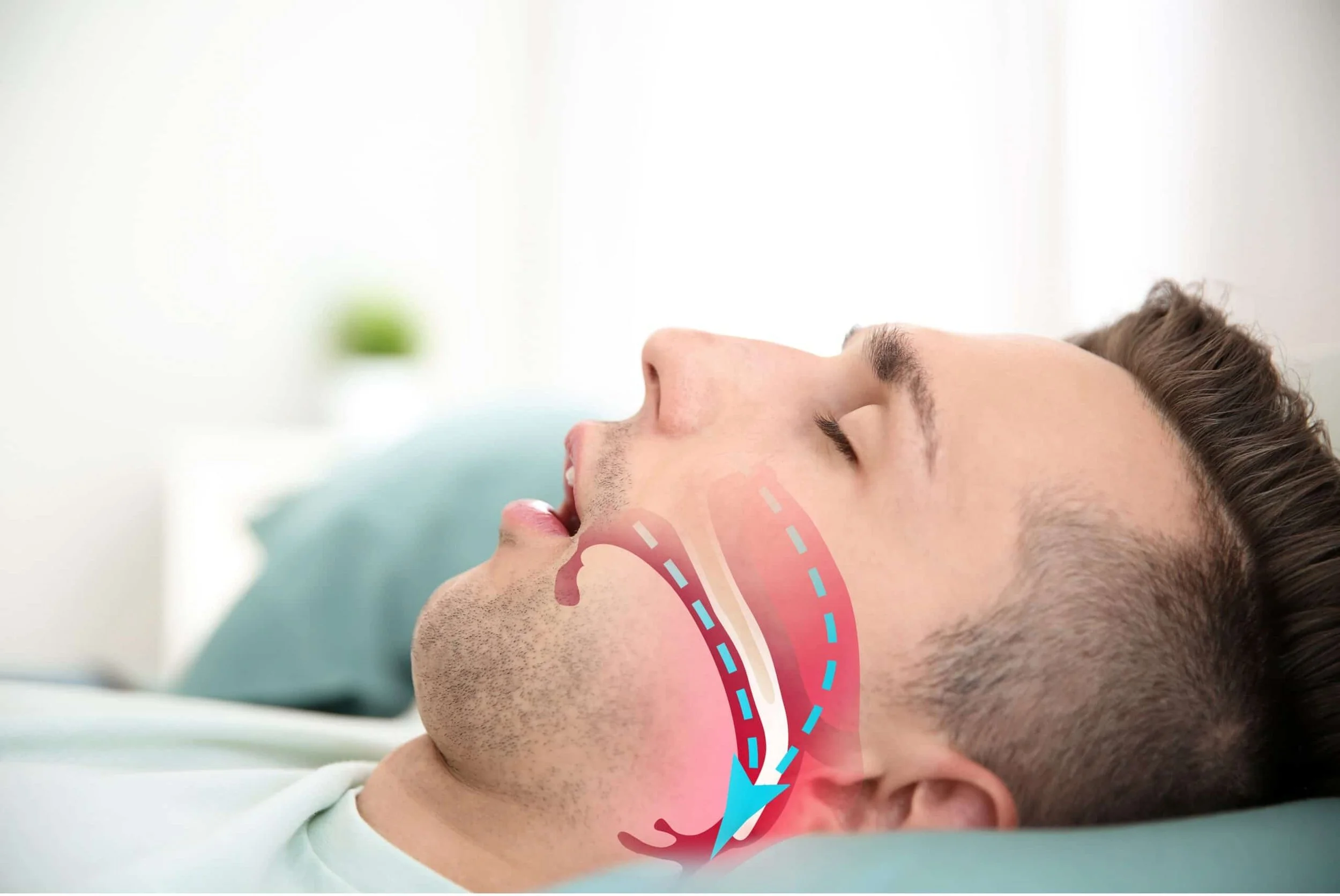
If you’re dealing with jaw pain, headaches, neck tension, poor sleep, or snoring, the cause may not be isolated problems. In many cases, TMJ disorder, incorrect posture, and sleep apnea are closely connected — creating a cycle of discomfort that affects your daily life, energy, and sleep quality.
Understanding how these conditions interact can help you find the real source of the problem, not just the symptoms.
What Is TMJ Pain?
TMJ pain comes from dysfunction in the temporomandibular joint — the joint that connects your jaw to your skull. This joint is responsible for chewing, speaking, and opening your mouth.
When the TMJ is under strain, it can cause:
Jaw pain or tightness
Clicking or popping sounds
Facial soreness
Headaches or migraines
Ear pain or pressure
Difficulty opening the mouth comfortably
Because the jaw muscles are connected to the neck and upper spine, TMJ pain rarely stays in one area.
How Poor Posture Affects TMJ Pain
One of the most overlooked causes of TMJ pain is incorrect posture, especially forward head posture caused by long hours at desks, phones, or screens.
When the head moves forward:
Neck muscles become strained
Jaw position shifts backward
Bite alignment is affected
TMJ muscles work harder to stabilise the jaw
This extra strain can lead to chronic jaw tension, headaches, and facial pain.
Many patients with desk jobs or heavy phone use experience worsening TMJ symptoms without realising posture is a major contributor.
The Neck–Jaw Connection
The jaw, neck, and upper back form a connected muscle system. Poor posture places stress on this entire chain.
Common posture-related symptoms linked to TMJ include:
Tight neck and shoulder muscles
Jaw clenching during the day
Tension headaches
Facial fatigue
Limited jaw movement
Correcting posture often plays a key role in reducing long-term TMJ discomfort.
How TMJ Pain and Sleep Apnea Are Connected
Sleep apnea is a condition where breathing repeatedly stops and starts during sleep due to airway restriction. It is strongly linked with jaw positioning and muscle activity.
When the airway becomes narrow during sleep:
The jaw may shift forward or clench
Teeth grinding may increase
Neck muscles tense to open the airway
Sleep becomes fragmented
This creates strain on the TMJ and surrounding muscles.
Posture, Airway & Sleep: The Bigger Picture
Poor posture doesn’t just affect the neck during the day — it can also impact breathing at night.
Forward head posture can:
Reduce airway space
Increase airway resistance during sleep
Contribute to snoring and sleep apnea symptoms
When breathing becomes difficult during sleep, the body may respond by clenching the jaw or grinding teeth, which further aggravates TMJ pain.
This creates a cycle:
Poor posture → airway restriction → sleep apnea symptoms → jaw clenching → TMJ pain → more muscle tension
Signs Your TMJ, Posture, and Sleep May Be Connected
You may notice overlapping symptoms such as:
Morning jaw pain or stiffness
Frequent headaches
Neck and shoulder tension
Snoring or restless sleep
Worn or sensitive teeth
Jaw clicking or locking
Daytime fatigue
When these symptoms appear together, it often indicates a combined TMJ and airway-related issue.
How to Relieve TMJ Pain Naturally
Improve Posture Throughout the Day
Keeping your head aligned over your shoulders can significantly reduce strain on the jaw and neck muscles.
Jaw Relaxation Awareness
Avoid clenching during the day. Keeping the teeth slightly apart helps reduce TMJ pressure.
Gentle Neck and Shoulder Stretching
Stretching tight muscles can improve alignment and reduce referred jaw pain.
Warm Compress for Jaw Muscles
Heat helps relax tight TMJ muscles and improve blood flow.
Sleep Position Adjustments
Sleeping on your back with proper neck support may help reduce airway restriction and jaw strain.
Night Guards or Oral Appliances
Custom dental appliances can help reduce teeth grinding and support jaw positioning during sleep.
When to See a Dentist for TMJ and Sleep Issues
If you experience ongoing jaw pain, headaches, poor sleep, or signs of snoring or sleep disruption, it’s important to seek professional assessment.
A dentist experienced in TMJ and sleep dentistry can evaluate:
Jaw function and bite alignment
Muscle tension patterns
Airway and sleep-related risk factors
Signs of grinding or clenching
Early intervention can help prevent long-term discomfort and improve both sleep quality and jaw health.
Conclusion
TMJ pain, incorrect posture, and sleep apnea are often deeply connected. Poor posture can strain the jaw and neck, while sleep-related breathing issues can increase clenching and muscle tension.
When these factors combine, they create a cycle of pain, fatigue, and disrupted sleep.
The good news is that with proper diagnosis and a combined approach to posture, jaw health, and sleep, many patients experience significant long-term relief.