Losing a front tooth can affect far more than just your smile. It can impact your confidence, speech, chewing ability, and overall oral health. Fortunately, modern dentistry offers a highly effective and natural-looking solution: the single anterior dental implant.
A single anterior dental implant is considered one of the best long-term options for replacing a missing front tooth because it restores both function and aesthetics while preserving the surrounding teeth and jawbone.
In this article, we’ll explain what a single anterior dental implant is, why it’s often the preferred treatment, and the benefits it offers compared to bridges or removable dentures.
What Is a Single Anterior Dental Implant?
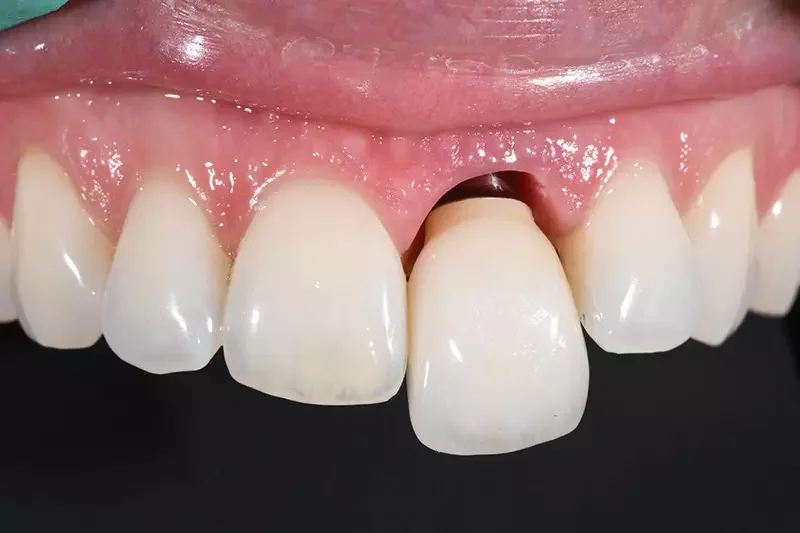
A single anterior dental implant is a dental implant used to replace one missing front tooth.
The treatment typically includes:
A titanium implant placed into the jawbone
An abutment connecting the implant to the crown
A custom-made dental crown designed to match surrounding teeth
The implant acts like an artificial tooth root, providing stability and long-term support.
Why Replacing a Missing Front Tooth Matters
Front teeth play an important role in:
Smiling and facial appearance
Clear speech pronunciation
Biting and chewing
Supporting facial structure
Maintaining confidence in social situations
Leaving a missing front tooth untreated may lead to:
Bone loss in the jaw
Shifting of nearby teeth
Bite problems
Difficulty eating certain foods
Reduced self-confidence
Replacing the tooth early helps preserve both oral health and appearance.
Why a Single Anterior Dental Implant Is the Best Option
Dental implants are widely considered the gold standard for replacing a missing tooth — especially in the aesthetic front region.
Here’s why.
1. Natural Appearance and Aesthetics
One of the biggest advantages of a single anterior dental implant is its highly natural appearance.
Modern implant crowns are custom-designed to match:
Tooth color
Shape
Size
Alignment
Natural translucency
When performed by an experienced dentist, the implant can blend seamlessly with the surrounding teeth.
Most people won’t even notice it’s an artificial tooth.
2. Preserves Adjacent Teeth
Unlike traditional dental bridges, a single implant does not require shaving down healthy neighboring teeth.
A dental bridge often relies on adjacent teeth for support, which can weaken otherwise healthy tooth structure over time.
A single anterior implant stands independently, helping preserve the natural teeth around it.
3. Prevents Bone Loss
One major issue after tooth loss is jawbone deterioration.
When a tooth root is missing, the surrounding bone no longer receives stimulation during chewing, causing gradual bone resorption.
Dental implants help preserve bone by functioning like a natural tooth root.
This is especially important in the front of the mouth, where bone loss can affect facial appearance and gum aesthetics.
4. Long-Term Durability
With proper care, dental implants can last for many years — often decades.
Compared to removable dentures or bridges that may require replacement over time, implants offer exceptional durability and stability.
Benefits include:
Strong biting function
Resistance to decay
Long-lasting support
Minimal maintenance
Good oral hygiene and regular dental check-ups are essential for long-term success.
5. Improved Confidence and Comfort
A missing front tooth can make people feel self-conscious when smiling, speaking, or eating.
A single anterior implant restores confidence by providing a secure and natural-looking replacement.
Unlike removable partial dentures, implants do not move or shift during speech or meals.
Patients often report feeling like they have their natural tooth back.
6. Better Speech and Chewing Ability
Front teeth are important for pronunciation and biting into foods.
Missing a front tooth may cause speech difficulties or discomfort while eating.
Dental implants restore normal function, allowing patients to:
Speak clearly
Bite comfortably
Eat with confidence
Because implants are securely anchored into the jawbone, they function much like natural teeth.
Single Dental Implant vs Dental Bridge
Many patients wonder whether a dental implant or bridge is the better choice.
Dental Implant Advantages:
Preserves adjacent teeth
Prevents bone loss
Longer lifespan
More natural feel
Easier cleaning and maintenance
Improved long-term oral health
Dental Bridge Disadvantages:
Requires reduction of healthy teeth
Does not prevent bone loss
May need replacement after several years
Higher risk of decay under supporting crowns
Although implants may have a higher upfront cost, they are often more cost-effective over the long term.
The Single Anterior Dental Implant Procedure
The treatment process usually involves several stages.
Consultation and Planning
Your dentist will evaluate:
Bone quality
Gum health
Bite alignment
Aesthetic considerations
Digital scans and X-rays help plan implant placement precisely.
Implant Placement
The titanium implant is surgically inserted into the jawbone.
Healing time typically ranges from 3–6 months as the implant integrates with the bone through a process called osseointegration.
Crown Placement
Once healing is complete, a custom crown is attached to the implant.
The final result is designed to look and function like a natural tooth.
Who Is a Good Candidate for a Front Tooth Implant?
Most healthy adults with sufficient bone support are good candidates.
Ideal candidates typically:
Have healthy gums
Do not smoke heavily
Maintain good oral hygiene
Have adequate jawbone density
Are free from uncontrolled medical conditions
If bone loss is present, bone grafting procedures may sometimes be recommended.
How to Care for a Dental Implant
Caring for a dental implant is similar to caring for natural teeth.
Important Maintenance Tips:
Brush twice daily
Floss regularly
Attend routine dental visits
Avoid smoking
Wear a night guard if grinding teeth
Good maintenance helps ensure long-term implant success.
Are Single Anterior Dental Implants Worth It?
For many patients, the answer is yes.
A single anterior dental implant offers:
Excellent aesthetics
Long-term durability
Bone preservation
Improved confidence
Better oral function
A highly natural appearance
While every patient’s situation is unique, implants are often considered the most advanced and predictable solution for replacing a missing front tooth.
Final Thoughts
A missing front tooth can significantly affect your appearance, confidence, and oral health. A single anterior dental implant provides a durable, natural-looking, and long-lasting solution that closely mimics the function of a real tooth.
Compared to bridges or removable appliances, dental implants offer superior aesthetics, better bone preservation, and improved long-term oral health.
If you are considering replacing a missing front tooth, consulting with an experienced implant dentist can help determine whether a single anterior dental implant is the right option for you.
Frequently Asked Questions
How long does a single anterior dental implant last?
With proper care and regular dental visits, dental implants can last decades.
Is a front tooth implant painful?
Most patients experience minimal discomfort during and after the procedure. Local anesthesia and modern techniques make treatment highly manageable.
Can people tell if you have a dental implant?
Modern implant crowns are designed to blend naturally with surrounding teeth, making them difficult to detect.
Is a dental implant better than a bridge?
In many cases, yes. Implants preserve bone and adjacent teeth while offering better long-term durability.
How much does a single front tooth implant cost?
Costs vary depending on location, materials, and whether additional procedures such as bone grafting are needed.