Struggling with Jaw Pain? Botox May Help Relieve TMJ Symptoms
If you wake up with jaw pain, experience frequent headaches, or notice clicking and tension in your jaw, you may be suffering from temporomandibular joint (TMJ) disorder, often referred to as TMD. This common condition affects the joints and muscles that control jaw movement, causing discomfort that can interfere with everyday life.
One increasingly popular treatment option for TMJ pain is Botox therapy. While many people associate Botox with cosmetic treatments, it has also become an effective, minimally invasive solution for managing chronic jaw tension and teeth grinding.
In this article, we'll explore how Botox works for TMJ relief, its benefits, and whether it could be the right treatment for you.
What Is TMJ Disorder?
The temporomandibular joints connect your lower jaw to your skull, allowing you to talk, chew, and yawn. When these joints or the surrounding muscles become inflamed or overworked, it can lead to TMJ disorder.
Common Symptoms of TMJ Disorder
Jaw pain or tenderness
Clicking or popping sounds when opening the mouth
Difficulty chewing
Facial pain or muscle tightness
Frequent headaches or migraines
Ear pain or ringing in the ears
Teeth grinding (bruxism)
Limited jaw movement or jaw locking
TMJ disorders can result from stress, teeth grinding, misaligned bites, arthritis, or injury to the jaw.
How Does Botox Help TMJ Pain?
Botox is a purified protein that temporarily relaxes muscles by blocking nerve signals that cause muscle contractions.
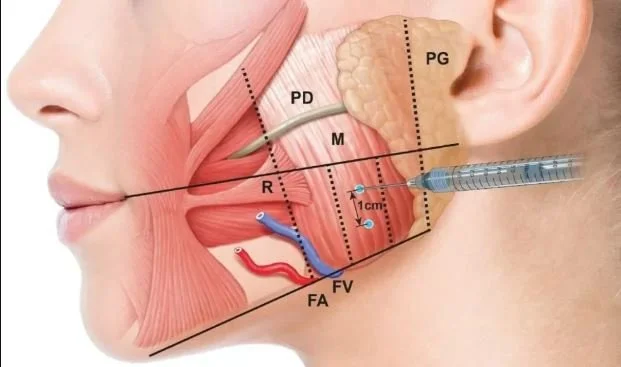
For TMJ treatment, Botox is typically injected into the overactive jaw muscles, particularly the masseter and temporalis muscles. By reducing muscle tension and the force of clenching, Botox can help alleviate many of the symptoms associated with TMJ disorder.
Benefits of Botox for TMJ Relief
1. Reduces Jaw Pain and Muscle Tension
Relaxing the overworked muscles can significantly decrease pain and soreness in the jaw and face.
2. Helps Control Teeth Grinding and Clenching
Many patients experience less nighttime grinding and daytime clenching after treatment.
3. Reduces Headaches and Migraines
Because jaw tension often contributes to headaches, reducing muscle strain may decrease their frequency and severity.
4. Improves Jaw Function
Patients frequently report improved comfort when chewing, speaking, and opening their mouths.
5. Non-Surgical and Minimally Invasive
Botox treatment requires no surgery or downtime, making it an attractive option for individuals seeking conservative treatment.
What to Expect During Botox Treatment for TMJ
The procedure is quick and typically takes around 15 to 30 minutes.
During Your Appointment:
Your dentist will evaluate your symptoms and jaw muscles.
Small amounts of Botox are injected into targeted muscles.
Most patients experience minimal discomfort.
You can return to normal activities immediately after treatment.
How Long Does Botox for TMJ Last?
Results generally begin to appear within a few days, with full effects developing after one to two weeks.
Most patients experience relief for approximately three to four months before requiring maintenance treatments.
The frequency of treatment depends on:
The severity of your symptoms
The amount of clenching or grinding
Individual muscle response
Is Botox Safe for TMJ Treatment?
When administered by a qualified dental professional, Botox is considered safe and well tolerated.
Possible side effects are generally mild and temporary and may include:
Minor swelling or bruising at the injection site
Temporary muscle soreness
Mild chewing fatigue
A thorough consultation will determine whether Botox is appropriate for your specific condition.
Who Is a Good Candidate for TMJ Botox?
You may benefit from Botox treatment if you:
Experience chronic jaw pain or facial tension
Suffer from teeth grinding or clenching
Have frequent tension headaches related to jaw strain
Have not found relief from mouthguards or other conservative treatments
Prefer a non-surgical option for TMJ management
Botox vs Traditional TMJ Treatments
While Botox can be highly effective, it is often part of a comprehensive treatment plan that may include:
Custom night guards
Stress management techniques
Bite adjustments
Physiotherapy
Jaw exercises
Lifestyle modifications
Your dentist can recommend the most appropriate treatment based on the underlying cause of your TMJ symptoms.
Frequently Asked Questions About TMJ Botox
Does Botox cure TMJ disorder?
Botox does not cure TMJ disorder, but it can significantly reduce symptoms and improve quality of life.
Is Botox painful?
Most patients describe the injections as a mild pinching sensation and tolerate the procedure very well.
Can Botox stop teeth grinding completely?
Botox reduces the intensity of clenching and grinding but may not eliminate it entirely.
How quickly will I feel relief?
Some patients notice improvement within a few days, while full results typically develop within two weeks.
Find Relief From TMJ Pain
Living with chronic jaw pain, headaches, or teeth grinding can affect your sleep, comfort, and overall wellbeing. Botox offers a safe and effective option for many patients seeking relief from TMJ symptoms without surgery.
If you're experiencing persistent jaw discomfort or suspect you may have TMJ disorder, schedule a consultation with our dental team to determine whether Botox treatment could be the right solution for you.