Have you noticed blood when brushing or flossing your teeth?
Many people assume that bleeding gums are normal, especially if they brush hard or have not flossed for a while.
However, healthy gums generally should not bleed regularly.
Bleeding gums may be an early warning sign of gum disease or another dental problem.
If your gums bleed frequently, it is important to understand why.
Why Do My Gums Bleed When I Brush?
There are several possible causes of bleeding gums.
The most common cause is inflammation caused by plaque and bacteria around the teeth.
Other possible causes include:
Gingivitis
Periodontitis
Brushing too aggressively
Incorrect flossing technique
Poor oral hygiene
Gum recession
Tooth decay
Ill-fitting dental restorations
Certain medications
Other medical conditions
The cause of bleeding gums should be assessed if the problem is persistent or worsening.
Is Bleeding From My Gums Normal?
Occasional bleeding may occur if you have recently started flossing or have accidentally injured your gums.
However, regular bleeding when brushing or flossing is not something that should be ignored.
Bleeding gums may indicate inflammation.
The earlier gum disease is identified, the easier it may be to manage.
What Is Gingivitis?
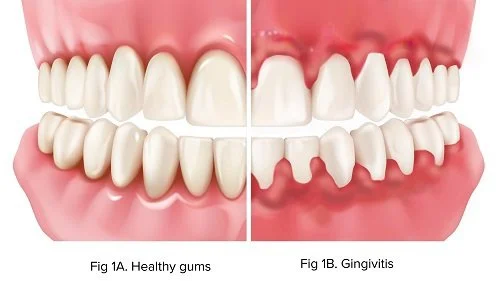
Gingivitis is the earliest stage of gum disease.
It occurs when plaque and bacteria accumulate around the teeth and cause inflammation of the gums.
Symptoms may include:
Bleeding when brushing
Red gums
Swollen gums
Tender gums
Bad breath
Gingivitis is often reversible with improved oral hygiene and appropriate professional dental care.
However, if it is left untreated, gum disease may progress.
What Is Periodontitis?
Periodontitis is a more advanced form of gum disease.
It can affect the tissues and bone that support the teeth.
Possible symptoms include:
Persistent bleeding gums
Gum recession
Loose teeth
Bad breath
Pus around the gums
Changes in the way teeth fit together
Pain when chewing
Advanced gum disease can lead to tooth loss.
Professional assessment and treatment are important to help manage the condition.
What Causes Gum Disease?
Gum disease is primarily associated with bacteria and plaque accumulation around the teeth.
Factors that may increase the risk of gum disease include:
Poor oral hygiene
Smoking
Diabetes
Stress
Certain medications
Genetics
Hormonal changes
Teeth grinding
Difficulty cleaning between the teeth
Regular brushing, cleaning between the teeth and professional dental care can help reduce the risk.
Can Brushing Too Hard Cause Bleeding Gums?
Yes.
Brushing too aggressively can irritate or damage the gum tissue.
However, if your gums bleed regularly, you should not automatically assume that brushing too hard is the only cause.
Inflammation from plaque and gum disease is a very common cause of bleeding.
Your dentist can help determine the cause.
Should I Stop Flossing If My Gums Bleed?
Generally, bleeding should not be a reason to permanently stop cleaning between your teeth.
If plaque and bacteria are contributing to gum inflammation, avoiding flossing may allow the problem to continue.
However, it is important to use the correct technique.
Your dental team can show you the most appropriate method for cleaning between your teeth.
Can Gum Disease Cause Bad Breath?
Yes.
Bacteria associated with gum disease can contribute to persistent bad breath.
If bad breath continues despite brushing and cleaning your tongue, gum disease may be one possible cause.
Other dental and medical conditions may also contribute to bad breath.
Can Gum Disease Cause Loose Teeth?
Advanced gum disease can damage the tissues and bone that support the teeth.
As the supporting structures become damaged, teeth may become loose.
Loose teeth should be assessed promptly.
Early diagnosis may help prevent further progression of gum disease.
Can Gum Disease Cause Tooth Loss?
Yes.
Advanced periodontitis can cause significant damage to the bone and tissues supporting the teeth.
This may eventually result in tooth loss.
However, early detection and appropriate treatment may help manage gum disease and protect the supporting structures of the teeth.
Can Bleeding Gums Be Caused by a Dental Abscess?
A dental abscess can cause swelling and inflammation around a tooth.
In some cases, infection may cause bleeding or discharge around the gums.
If bleeding is accompanied by:
Severe tooth pain
Swelling
Pus
A bad taste
Fever
you should seek prompt dental assessment.
Can Teeth Grinding Make Gum Disease Worse?
Teeth grinding and clenching can place additional forces on the teeth and supporting structures.
Although grinding does not directly cause gum disease, excessive forces may contribute to problems in patients who already have compromised periodontal support.
A comprehensive assessment may be recommended if gum disease and significant teeth grinding occur together.
How Is Gum Disease Diagnosed?
Your dentist may assess:
The appearance of your gums
Bleeding
Plaque and tartar
Gum pockets
Gum recession
Tooth mobility
Bone levels
Dental X-rays where clinically indicated
The assessment helps determine the stage and severity of gum disease.
How Is Gum Disease Treated?
Treatment depends on the severity of the condition.
Treatment may include:
Professional dental cleaning
Improved brushing and flossing
Periodontal treatment
Deep cleaning where appropriate
Treatment of contributing factors
Regular monitoring
Advanced gum disease may require more specialised periodontal treatment.
How Can I Prevent Bleeding Gums?
Good oral hygiene is important.
You should:
Brush your teeth twice daily
Clean between your teeth regularly
Clean your tongue
Attend regular dental examinations
Have professional cleaning when recommended
Avoid smoking
Manage relevant health conditions
If your gums continue to bleed despite good oral hygiene, arrange a dental assessment.
When Should I See a Dentist About Bleeding Gums?
You should arrange a dental appointment if your gums:
Bleed regularly
Are swollen
Are red or painful
Are receding
Cause persistent bad breath
Have pus around the teeth
Are associated with loose teeth
The sooner gum disease is identified, the sooner appropriate treatment can be considered.
Frequently Asked Questions
Is it normal for gums to bleed when brushing?
Regular bleeding is not generally considered normal. It may be a sign of gum inflammation or gum disease.
Can bleeding gums be cured?
The treatment depends on the cause. Early gingivitis may often improve with professional care and improved oral hygiene.
Can gum disease be reversed?
Early gum inflammation may be reversible. More advanced periodontitis can cause permanent damage but may be managed with appropriate treatment.
Why do my gums bleed when I floss?
Bleeding may be caused by inflammation from plaque and bacteria. Correct flossing technique and regular cleaning may help improve gum health.
Can gum disease cause tooth loss?
Yes. Advanced gum disease can damage the bone and tissues supporting the teeth and may eventually cause tooth loss.
Should I see a dentist if my gums bleed every day?
Yes. Daily bleeding should be assessed to determine whether gum disease or another dental problem is present.
Bleeding Gums and Gum Disease Treatment in Sydney
Bleeding gums should not always be dismissed as normal.
Regular bleeding may be an early sign of gum inflammation or gum disease.
At Pain Free Dentist Sydney, we assess patients experiencing bleeding gums, gum inflammation, bad breath, gum recession and other symptoms associated with gum disease.
Early assessment can help identify the cause of bleeding and determine appropriate treatment options.
If your gums bleed regularly when you brush or floss, contact us to arrange a dental assessment.
📞 Call Pain Free Dentist Sydney on 9558 8988.
Serving patients in Dulwich Hill, Hurlstone Park and Sydney's Inner West.