Introduction
Losing a tooth can be a deeply unsettling experience. Whether it is the result of an accident, advanced decay, or gum disease, the loss of a natural tooth affects more than just your appearance. It can impact your ability to chew, your speech, and even the shape of your face. For decades, the standard solutions for missing teeth were bridges and dentures, both of which have significant drawbacks. In recent decades, however, dental implants have revolutionized restorative dentistry, offering a solution that looks, feels, and functions remarkably like a natural tooth. If you are considering dental implants, this comprehensive guide will walk you through everything you need to know about the procedure, the benefits, and what to expect along the way.
What Exactly Is a Dental Implant?
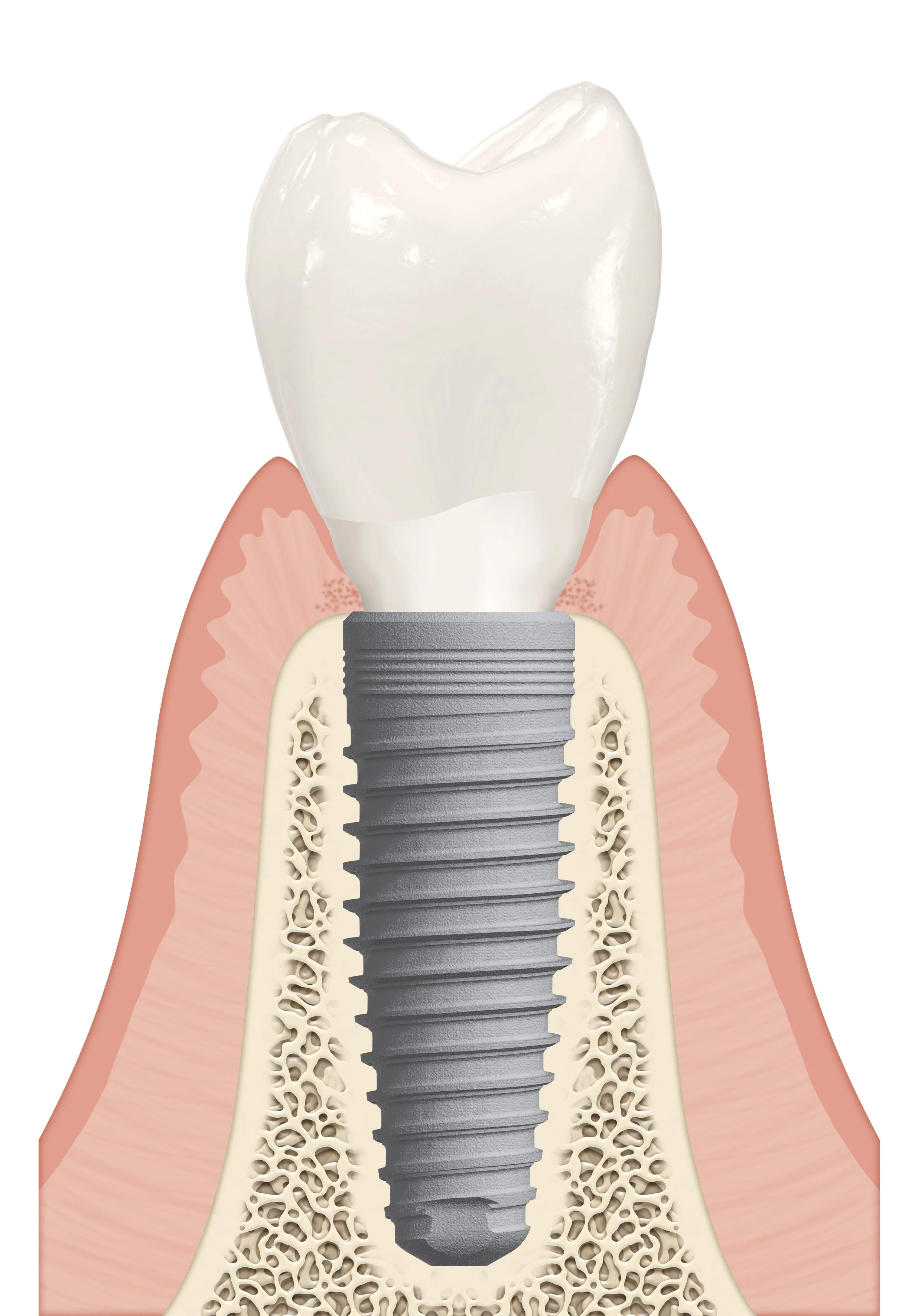
A dental implant is essentially a prosthetic tooth root. It is a small, screw-like post typically made of titanium, a biocompatible metal that has the unique ability to fuse with living bone tissue. This process of fusion is known as osseointegration, and it is the key to the implant's remarkable stability and longevity. Unlike a bridge, which relies on adjacent teeth for support, or a denture, which sits on top of the gums, an implant stands independently, anchored securely within the jawbone.
The implant itself is only one component of the restoration. The entire structure consists of three parts: the titanium post that is placed into the bone, an abutment that is attached to the top of the post, and the dental crown that is placed on top of the abutment. The crown is custom-made to match the color, shape, and size of your natural teeth, ensuring a seamless and natural-looking result. When all three components are in place, the implant functions just like a natural tooth, allowing you to eat, speak, and smile with confidence.
The Surgical Procedure: Step by Step
The dental implant process is typically divided into several stages, spread over several months to allow for proper healing and osseointegration. The first step is a comprehensive evaluation. Your dentist or oral surgeon will take X-rays and possibly a CT scan to assess the quality and quantity of bone in your jaw. They need to ensure that there is enough bone to support the implant. If there is insufficient bone, you may require a bone graft to build up the area before the implant can be placed.
On the day of the surgery, you will receive local anesthesia to numb the area. If you have dental anxiety, sedation options are available to help you relax. The surgeon will make an incision in the gum tissue to expose the underlying bone. A series of drills of increasing diameter are used to create a hole in the bone that matches the size of the implant post. The implant is then carefully screwed into place. The gum tissue is sutured closed over the implant, leaving the implant completely covered or with a healing cap protruding slightly. The surgery itself usually takes one to two hours for a single implant.
The Healing Phase: Waiting for Osseointegration
After the implant is placed, a critical healing phase begins. Over the next three to six months, the titanium post will fuse with the surrounding bone through the process of osseointegration. During this time, the implant is not yet ready to support a permanent crown. You will need to eat soft foods and be very careful to avoid putting pressure on the implant site. The bone cells grow into the microscopic pores of the titanium surface, creating a strong, biological bond. This is what makes dental implants so durable; the bone actually grows around and into the implant, anchoring it just as it would a natural tooth root.
Some patients may receive a temporary crown or a partial denture during this healing period for aesthetic purposes. However, these temporary restorations are designed to be easily removed and do not place any significant load on the implant. It is essential to maintain excellent oral hygiene during this phase to prevent infection, which could compromise the osseointegration process. The success of the implant depends heavily on the formation of a healthy, infection-free environment around the healing site.
The Abutment and Crown Placement
Once the implant has fully integrated with the bone, you will return to your dentist for the second part of the procedure. The surgeon will make a small incision to expose the top of the implant and attach an abutment. The abutment is a connector piece that will hold the final crown. In some cases, the abutment is placed at the same time as the implant, but more often it is done as a separate step after osseointegration is complete. After the abutment is attached, impressions of your teeth and the implant area are taken. These impressions are sent to a dental laboratory, where your custom crown is fabricated.
The laboratory typically takes two to three weeks to create the crown. During this time, you may be given a temporary crown to cover the abutment. When the permanent crown is ready, you will return for a final appointment. The dentist will check the fit, color, and bite of the crown before permanently cementing or screwing it onto the abutment. The restoration is now complete. The implant is indistinguishable from your natural teeth, and you can resume your normal eating habits immediately.
Benefits of Dental Implants Over Other Tooth Replacements
Dental implants offer several distinct advantages over traditional bridges and dentures. First and foremost, they preserve jawbone. When a tooth is lost and not replaced, the bone that supported that tooth begins to resorb, or shrink, due to lack of stimulation. This bone loss can alter the shape of your face, making you appear older. Because an implant stimulates the bone just like a natural root, it prevents this bone resorption and maintains your facial structure.
Second, implants do not compromise adjacent healthy teeth. A traditional bridge requires the adjacent teeth to be ground down to support a fixed bridge. This damages perfectly healthy teeth. An implant is independent and does not require any modification of neighboring teeth. Third, implants provide superior chewing function. Dentures can slip and shift, making eating difficult and embarrassing. Implants are anchored securely in the bone, allowing you to eat anything you want without worry. Fourth, implants are extremely durable and can last a lifetime with proper care, making them a cost-effective long-term solution compared to dentures that need to be replaced every five to ten years.
Candidacy and Contraindications
Not everyone is an ideal candidate for dental implants. The most important factor is having adequate bone volume and density. If you have experienced significant bone loss, you may still be a candidate if you are willing to undergo a bone grafting procedure. Good overall health is also crucial. Conditions that impair healing, such as uncontrolled diabetes, autoimmune disorders, or a compromised immune system, may affect the success of the implant. Heavy smokers are also at higher risk for implant failure because smoking impairs blood flow to the gums and bones.
Certain medications, such as bisphosphonates used to treat osteoporosis, can interfere with bone healing and may preclude you from receiving implants. Age is generally not a barrier; many older adults successfully receive implants. A thorough medical and dental history review, along with imaging studies, will help your dental team determine whether you are a suitable candidate.
Caring for Your Dental Implant
One of the most appealing aspects of dental implants is that they do not require any special care beyond the routine maintenance you should already be practicing. You should brush twice a day with a soft-bristled toothbrush, floss daily, and visit your dentist for regular checkups and cleanings. However, because implant crowns are made of porcelain, they are not susceptible to decay. The real risk lies with the gums and bone surrounding the implant. Peri-implantitis is an inflammatory condition similar to gum disease that can affect the tissues around an implant. If left untreated, it can lead to bone loss and implant failure.
To prevent peri-implantitis, you need to keep the area around the implant exceptionally clean. Your dentist may recommend special interdental brushes or a water flosser to reach the nooks and crannies around the implant. Regular professional cleanings are essential, as your hygienist has specialized instruments to clean around implants without scratching the surface. With proper care, your implant can remain functional and aesthetically pleasing for decades, making it one of the most reliable and successful procedures in modern dentistry.
Conclusion
Dental implants represent a remarkable advancement in restorative dentistry, offering a permanent, stable, and natural-looking solution for missing teeth. The procedure is extensive, involving surgery and a healing period of several months, but the long-term benefits far outweigh the temporary inconvenience. By preserving jawbone, protecting adjacent teeth, and restoring full chewing function, implants not only improve your smile but also your overall quality of life. If you are considering implants, schedule a consultation with a qualified implant dentist to determine if you are a candidate and to discuss a treatment plan tailored to your specific needs.
Book online at https://painfreedentistsydney.com.au/
Call us at 9558 8988
Email us at info@painfreedentistsydney.com.au