Bad Breath? Here's What Might Be Causing It

👄 Why Do I Have Bad Breath?

Bad breath, or halitosis, is an embarrassing and frustrating problem that affects many people. It can make social interactions uncomfortable and impact your confidence.

The good news? Most causes of bad breath are treatable with good oral hygiene and professional care.

🔍 Common Causes of Bad Breath

1. Poor Oral Hygiene

When food particles remain in your mouth, they break down and cause odor. Plaque buildup and gum disease also contribute to unpleasant breath.

2. Dry Mouth (Xerostomia)

Saliva helps clean your mouth. Without enough saliva, bacteria multiply, causing bad breath. Dry mouth can be caused by medications, medical conditions, or breathing through your mouth.

3. Diet Choices

Foods like garlic, onions, coffee, and alcohol can cause temporary bad breath. Strong-smelling foods leave residues that linger.

4. Tobacco Use

Smoking or chewing tobacco causes its own smell and increases risk of gum disease, which worsens bad breath.

5. Medical Conditions

Sinus infections, respiratory infections, diabetes, and stomach issues can all cause bad breath as a symptom.

How to Get Rid of Bad Breath

🪥 1. Maintain Excellent Oral Hygiene

  • Brush teeth at least twice a day

  • Floss daily to remove food debris

  • Clean your tongue (bacteria love to hide here)

  • Use an antibacterial mouthwash

💧 2. Stay Hydrated

Drink plenty of water to keep your mouth moist and rinse away odor-causing particles.

🚭 3. Quit Smoking

Avoid tobacco products to improve breath and overall oral health.

🥗 4. Watch Your Diet

Limit foods that cause bad breath and eat crunchy fruits and vegetables that stimulate saliva.

👩‍⚕️ 5. Visit Your Dentist Regularly

Regular check-ups help catch and treat gum disease or other dental problems causing halitosis.

🔍 When to See a Doctor

If bad breath persists despite good oral care, it may signal a medical condition that requires attention.

👩‍⚕️ Advice From Pain Free Dentist Sydney

Don’t let bad breath hold you back. With proper care and guidance, fresh breath and a confident smile are within reach.

📞 Book Your Appointment Today

For professional advice and treatment, contact Pain Free Dentist Sydney.

📍 G1a, 570 New Canterbury Road, Hurlstone Park NSW
📞 (02) 9558 8988
📧 info@painfreedentistsydney.com.au

Dental Implants vs Bridges vs Dentures: What’s Right for Me?

🦷 Understanding Your Options for Missing Teeth Replacement

Missing teeth can affect your smile, chewing, and confidence. Thankfully, modern dentistry offers several effective solutions — dental implants, bridges, and dentures. But which is right for you?

🔍 Dental Implants: The Gold Standard

What Are They?

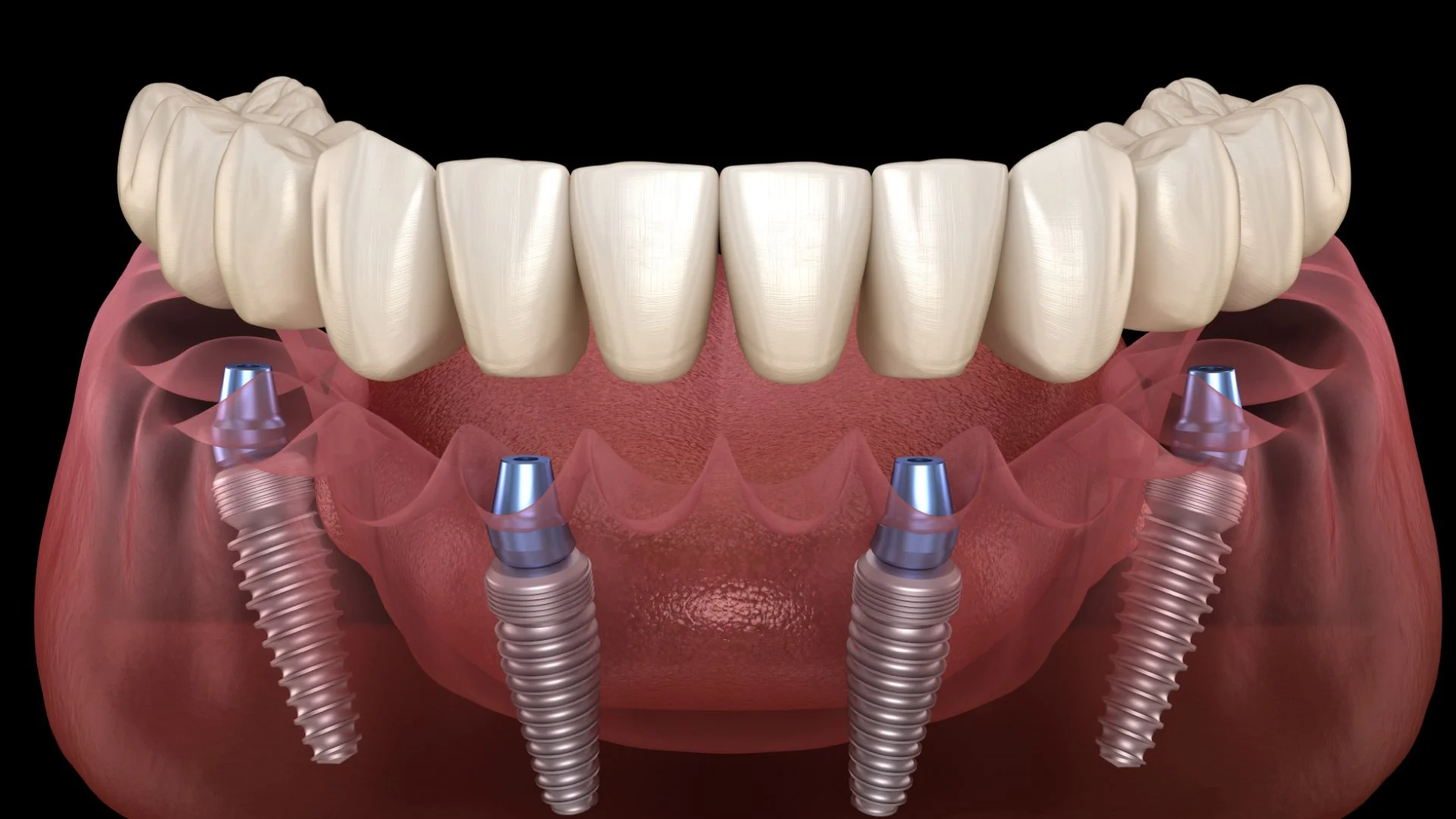
Dental implants are titanium posts surgically placed into your jawbone to act as artificial tooth roots. A crown is attached on top for a natural look and function.

Pros:

  • Long-lasting and durable (can last decades)

  • Preserve jawbone health by stimulating bone growth

  • Feel and function like natural teeth

  • No impact on adjacent teeth

Cons:

  • Higher upfront cost

  • Requires surgery and healing time

  • Not suitable for everyone (bone density, health factors)

🔗 Dental Bridges: A Fixed Solution

What Are They?

Bridges use the neighboring teeth as anchors, with a false tooth “bridging” the gap.

Pros:

  • Less invasive than implants

  • Faster treatment time

  • More affordable upfront

Cons:

  • Requires filing down healthy adjacent teeth

  • May not last as long as implants (usually 5–15 years)

  • Does not prevent jawbone loss in the missing tooth area

🦷 Dentures: Removable and Cost-Effective

What Are They?

Dentures are removable prosthetics that replace multiple missing teeth or a full arch.

Pros:

  • Least expensive option

  • Non-invasive, no surgery required

  • Can replace many teeth at once

Cons:

  • May feel bulky or uncomfortable

  • Require regular cleaning and maintenance

  • Can affect speech and chewing

  • Bone loss continues under dentures

🦷 Which Option is Right for You?

FactorDental ImplantsBridgesDenturesCostHighModerateLowLongevity15+ years5–15 years5–8 yearsMaintenanceLowModerateHighSurgery RequiredYesNoNoImpact on Adjacent TeethNoneYes (requires filing)NoneBone PreservationYesNoNo

👩‍⚕️ Final Thoughts from Pain Free Dentist Sydney

Your ideal treatment depends on your oral health, budget, lifestyle, and preferences. We’ll guide you through every step to find the best fit for a comfortable, functional, and beautiful smile.

📞 Schedule Your Consultation Today

Explore your options with us at Pain Free Dentist Sydney and discover the right tooth replacement for you.

📍 G1a, 570 New Canterbury Road, Hurlstone Park NSW
📞 (02) 9558 8988
📧 info@painfreedentistsydney.com.au

What Causes Tooth Sensitivity and How to Treat It? | Causes & Solutions

😖 Why Do My Teeth Hurt When I Eat or Drink?

If you’ve ever felt a sharp, sudden pain after drinking something hot, cold, sweet, or acidic, you’re experiencing tooth sensitivity. This common dental issue affects millions and can make daily life uncomfortable.

But what exactly causes sensitive teeth, and how can you treat it?

🦷 Top Causes of Tooth Sensitivity

1. Enamel Erosion

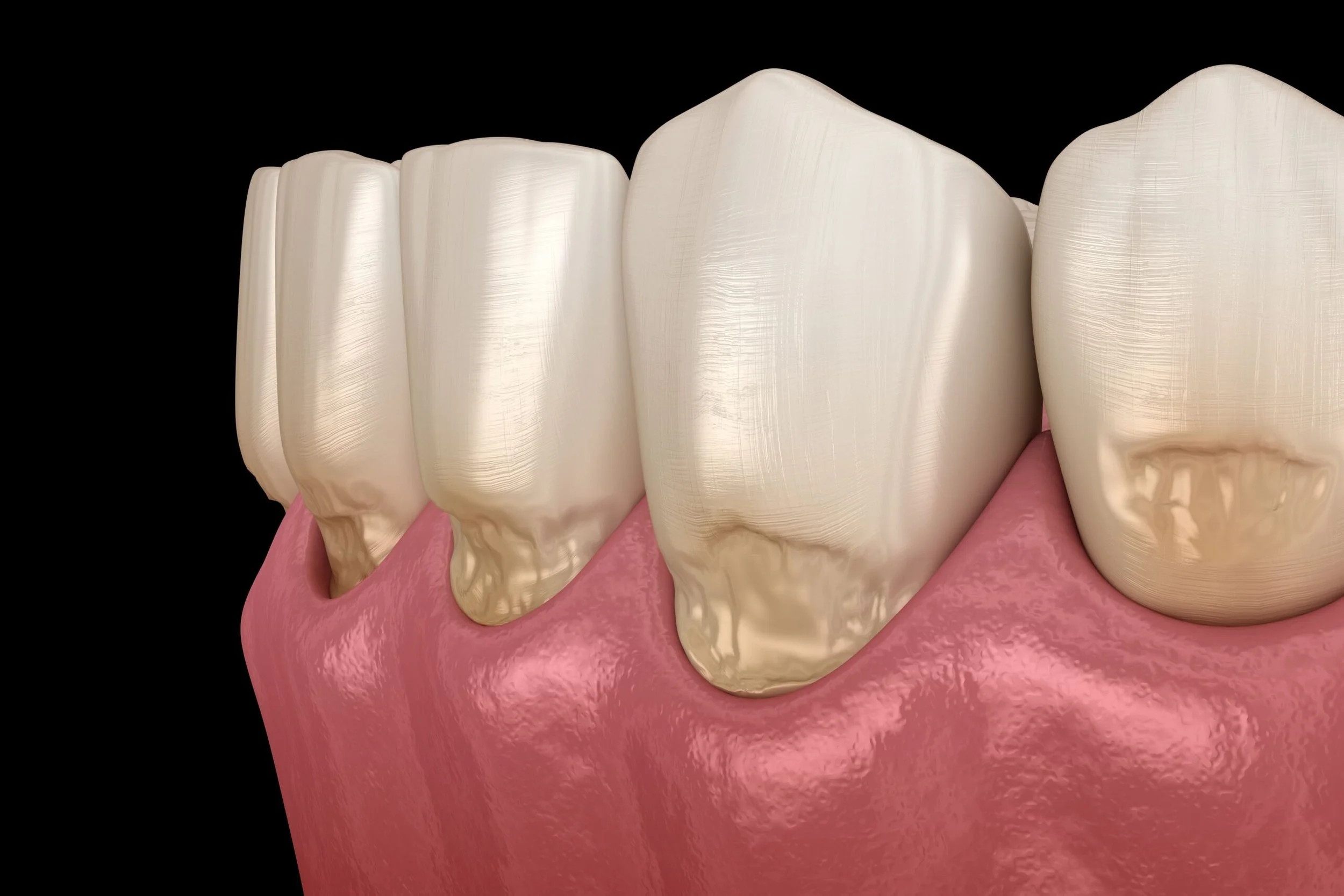
Your teeth are protected by enamel—the hardest substance in your body. When enamel wears down from acidic foods, aggressive brushing, or grinding, the underlying dentin is exposed. This dentin has tiny tubules leading to nerve endings, causing pain when triggered.

2. Gum Recession

When gums pull back from the teeth (often due to gum disease or brushing too hard), the tooth roots become exposed. Unlike enamel, tooth roots are not protected and can cause sensitivity.

3. Tooth Decay or Cavities

Cavities expose dentin or even the tooth pulp, causing sensitivity and pain. Untreated decay can lead to more serious infections.

4. Cracked or Damaged Teeth

Cracks in teeth from injury or biting hard objects allow stimuli to reach nerves inside the tooth, triggering pain.

5. Recent Dental Treatments

Sometimes, treatments like teeth whitening, fillings, or cleanings cause temporary sensitivity as the teeth adjust.

How to Treat Tooth Sensitivity

🪥 1. Use Desensitizing Toothpaste

Special toothpaste blocks pain signals from the tooth surface to the nerve. Use it consistently—results usually appear within weeks.

🛡️ 2. Modify Brushing Habits

Use a soft-bristled toothbrush and avoid aggressive brushing. Try gentle circular motions and don’t brush immediately after acidic foods.

🦷 3. Visit Your Dentist for Professional Care

Your dentist can:

  • Apply fluoride varnishes to strengthen enamel

  • Use bonding agents or sealants to cover exposed roots or cracks

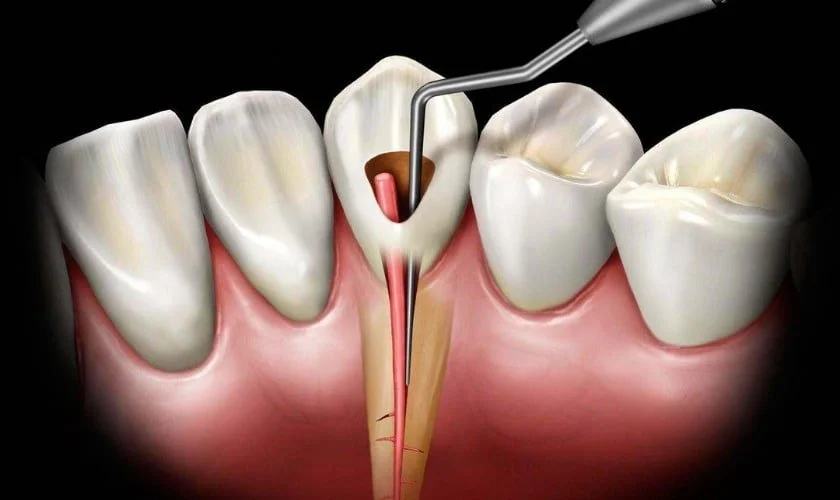
  • Recommend treatments like dental crowns or root canals if needed

🍋 4. Avoid Acidic Foods and Drinks

Limit citrus, soda, wine, and other acidic foods that erode enamel. Drink through a straw to reduce contact with teeth.

💧 5. Maintain Good Oral Hygiene

Brushing twice daily, flossing, and regular check-ups keep your gums healthy and prevent problems that cause sensitivity.

🔍 When Should You See a Dentist?

If sensitivity:

  • Persists longer than 2 weeks

  • Is severe or worsening

  • Is accompanied by swelling, bleeding, or pain at rest

It could signal underlying dental problems needing professional treatment.

👩‍⚕️ Our Advice from Pain Free Dentist Sydney

Tooth sensitivity is common but manageable. Early attention can prevent discomfort and protect your smile for the long term.

📞 Book a Consultation Today

If you’re struggling with tooth sensitivity, contact Pain Free Dentist Sydney for a tailored treatment plan.

📍 G1a, 570 New Canterbury Road, Hurlstone Park NSW
📞 (02) 9558 8988
📧 info@painfreedentistsydney.com.au