Impacted Wisdom Teeth: Symptoms, Risks, and Treatments at Pain Free Dentist Sydney

Wisdom teeth, or third molars, usually appear between ages 17 and 25. While some people experience no issues, many develop impacted wisdom teeth—when the teeth don’t fully emerge or grow at the wrong angle. Left untreated, impacted wisdom teeth can cause pain, infection, and damage to nearby teeth.

At Pain Free Dentist Sydney, we provide safe, comfortable wisdom tooth extractions to protect your smile and oral health.

What Are Impacted Wisdom Teeth?

An impacted wisdom tooth is one that doesn’t have enough space to erupt properly. This can cause it to:

  • Grow at an angle toward another tooth

  • Stay trapped beneath the gums (partially or fully impacted)

  • Push against the jawbone or other teeth

Symptoms of Impacted Wisdom Teeth

Some impacted teeth may not show immediate symptoms, but common warning signs include:

  • Pain or swelling in the back of the mouth

  • Red, swollen, or bleeding gums

  • Jaw stiffness or difficulty opening your mouth

  • Headaches or ear pain

  • Bad breath or an unpleasant taste in the mouth

Risks of Ignoring Impacted Wisdom Teeth

If left untreated, impacted wisdom teeth can lead to:

  • Gum infection (pericoronitis)

  • Tooth decay in surrounding teeth

  • Crowding or misalignment

  • Cysts or damage to the jawbone

  • Chronic pain and discomfort

Wisdom Tooth Extraction at Pain Free Dentist Sydney

Our experienced dentists provide gentle, pain-free wisdom tooth removal with advanced techniques to ensure your comfort. Depending on your case, we may recommend:

  • Simple extraction – for fully erupted wisdom teeth

  • Surgical extraction – for impacted or partially erupted teeth

We also offer sedation options for anxious patients, ensuring a stress-free experience.

Recovery and Aftercare

Most patients recover quickly after wisdom tooth removal. Following our aftercare instructions helps reduce discomfort and speed up healing:

  • Apply a cold compress to reduce swelling

  • Stick to soft foods for a few days

  • Avoid smoking or using straws

  • Keep the area clean as directed

Book Your Wisdom Tooth Consultation Today

If you’re experiencing discomfort from your wisdom teeth, don’t wait for complications. At Pain Free Dentist Sydney, we’re here to provide safe and effective treatment tailored to your needs.

📍 Visit us online: Book Now
📞 Call us on 9558 8988
📧 Email: info@painfreedentistsydney.com.au

Protect your oral health with expert wisdom tooth care.

Gum Disease: Causes, Symptoms, and Effective Treatments for Healthy Gums

Gum disease, also known as periodontal disease, is one of the most common oral health issues—but it’s also one of the most preventable. At Pain Free Dentist Sydney, we help patients restore and maintain healthy gums with gentle, advanced treatments designed for comfort and long-term results.

What is Gum Disease?

Gum disease is an infection of the tissues that support your teeth. It often begins as gingivitis, a mild stage causing gum redness, swelling, and bleeding. If left untreated, it can progress to periodontitis, which may damage the jawbone and even lead to tooth loss.

Causes of Gum Disease

Common causes and risk factors include:

  • Poor oral hygiene (plaque and tartar buildup)

  • Smoking or tobacco use

  • Hormonal changes (pregnancy, menopause)

  • Diabetes and other health conditions

  • Certain medications (that reduce saliva flow)

  • Genetics

Symptoms to Watch Out For

Many people don’t realize they have gum disease until it’s advanced. Early warning signs include:

  • Bleeding gums while brushing or flossing

  • Swollen, red, or tender gums

  • Persistent bad breath

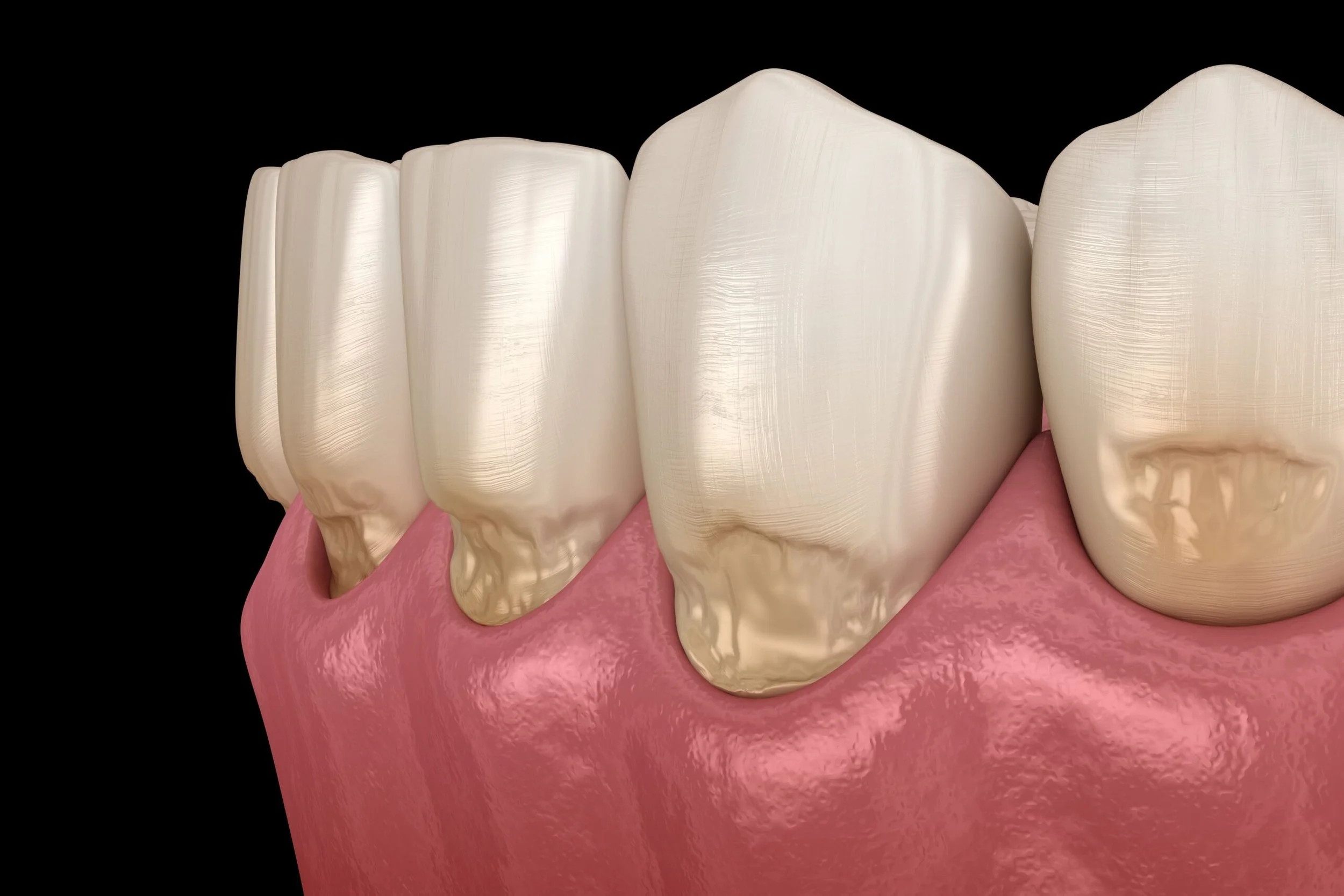
  • Gum recession (teeth looking longer)

  • Loose or shifting teeth

If you notice any of these symptoms, it’s time to see a dentist.

Gum Disease Treatments at Pain Free Dentist Sydney

We offer a full range of gum disease treatments tailored to each patient’s needs:

  • Professional dental cleaning – Removes plaque and tartar buildup.

  • Scaling and root planing – Deep cleaning to treat gum pockets.

  • Antibiotic therapy – Reduces bacterial infection.

  • Advanced surgical treatments – For severe gum disease, including flap surgery and bone grafting.

Our approach is gentle, effective, and designed to keep you comfortable every step of the way.

Preventing Gum Disease

The best way to protect your smile is prevention:

  • Brush twice daily with fluoride toothpaste

  • Floss once a day

  • Visit the dentist every 6 months

  • Quit smoking or tobacco use

  • Maintain a healthy, balanced diet

Book Your Gum Disease Consultation Today

Don’t wait until gum disease threatens your smile. At Pain Free Dentist Sydney, we provide compassionate, professional care to restore gum health and prevent further damage.

📍 Visit us online: Book Now
📞 Call us on 9558 8988
📧 Email: info@painfreedentistsydney.com.au

Take the first step toward healthy gums and a confident smile today.

Smoking and Your Smile: The Hidden Damage

1. How Smoking Harms Oral Health

Smoking interferes deeply with oral tissues, raising your risk of periodontal disease, tooth loss, and implant failure. Smokers have approximately an 85% higher risk of periodontitis, with significantly worse healing, deeper periodontal pockets, and impaired treatment outcomes. Tobacco use also disrupts the delicate oral microbiome, driving pathogenic imbalances that fuel gum disease and caries. Additionally, smoking dramatically increases the risk of oral cancers and dental implant failure, particularly in heavy smokers.

2. The Perils of Secondhand Smoke, Especially for Children

Exposure to environmental tobacco smoke heightens the risk of dental caries in children, particularly in primary teeth. Studies indicate that maternal smoking may double this risk compared to paternal exposure.

3. It’s Never Too Late to Quit: The Benefits of Cessation

The good news? Quitting smoking reverses many risks. Former smokers show a restored risk of tooth loss comparable to never-smokers. Likewise, periodontitis rates decline and treatment outcomes improve after cessation.

4. Your Dentist Can Help

Dental professionals are pivotal in screening for oral damage from smoking and offering targeted cessation support. Interventions within the dental setting—such as brief advice or tailored counselling—can effectively motivate patients to quit.

References

  1. Popescu, D. M., et al. “The role of smoking in periodontal diseases: Action mechanisms and clinical implications.” Int. J. Appl. Dent. Sci., vol. 11, no. 2, 2025, pp. 278–81.

  2. Senaratne, N. L. M., et al. “Effect of different forms of tobacco on the oral microbiome in healthy adults: a systematic review.” Oral Health Promot., 2024.

  3. Amaral, A. L., et al. “Impacts of smoking on oral health—what is the role of the dental team in smoking cessation?” Evid Based Dent, 2023.

  4. “Effects of tobacco product use on oral health and the role of oral healthcare providers in cessation: A narrative review.” PMC.

  5. “Impacts of tobacco smoke on oral and periodontal tissues.” PMC.