How Acid Reflux Affects Your Teeth: What You Need to Know

Introduction

Acid reflux, also known as GERD (gastroesophageal reflux disease), is more than just heartburn—it can also harm your smile. When stomach acid flows back into the mouth, it can erode enamel, increase sensitivity, and raise the risk of cavities. Understanding how acid reflux affects your teeth is the first step in protecting both your oral and overall health.

What Is Acid Reflux?

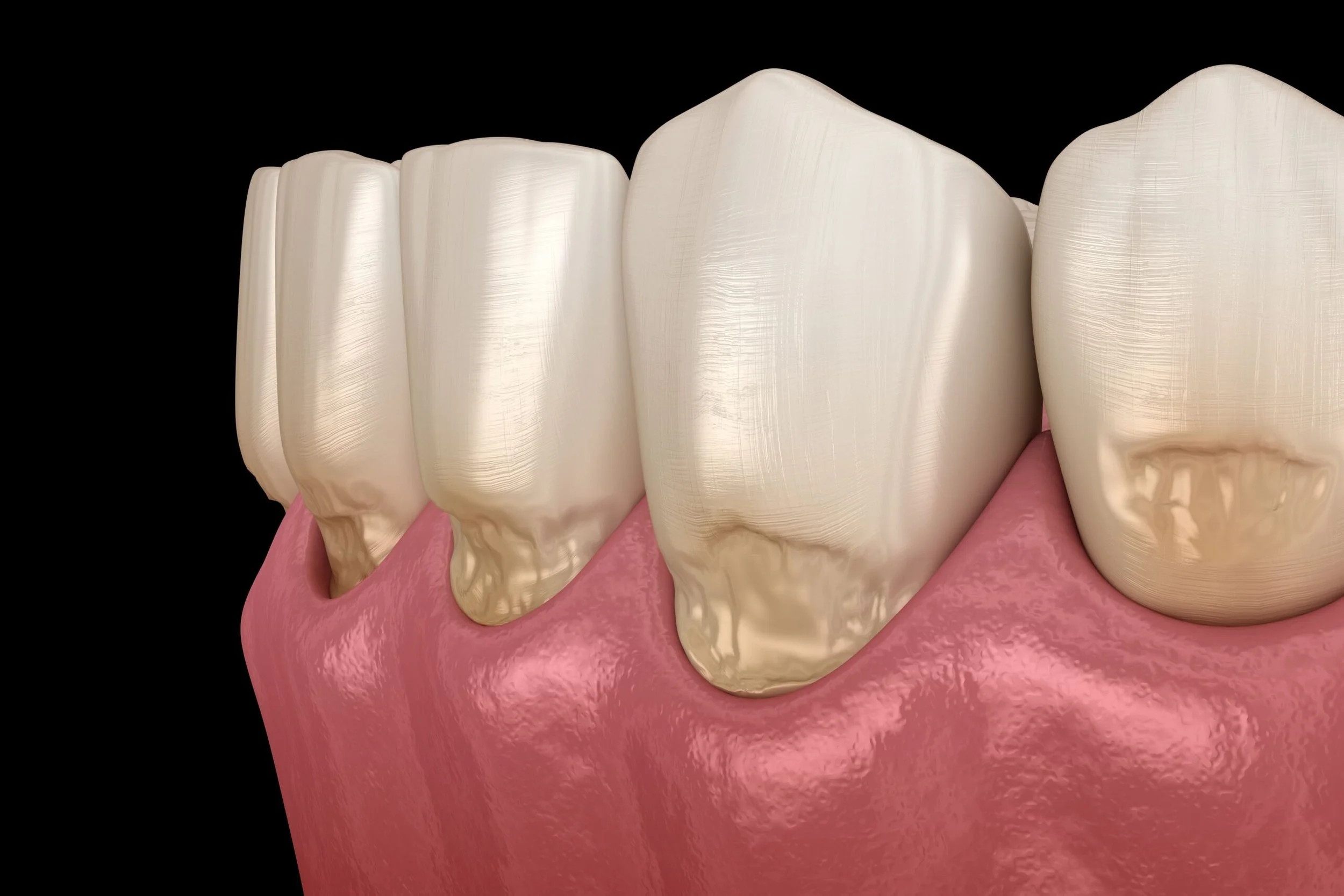
Acid reflux occurs when stomach acid escapes into the esophagus and sometimes reaches the mouth. The acid has a pH strong enough to dissolve tooth enamel, the protective outer layer of your teeth. Over time, repeated exposure causes dental erosion.

Signs That Acid Reflux Is Affecting Your Teeth

  • Enamel erosion: Teeth may look thinner or more yellow.

  • Increased sensitivity: Cold, hot, or sweet foods may trigger discomfort.

  • Cupping on teeth surfaces: Small dents or pits on chewing surfaces.

  • Higher cavity risk: Weakened enamel makes teeth prone to decay.

  • Bad breath: Acid and food particles contribute to halitosis.

Long-Term Dental Complications

If left untreated, acid reflux can lead to:

  • Severe enamel wear

  • Chipped or fractured teeth

  • Gum inflammation

  • Tooth loss in advanced cases

How to Protect Your Teeth If You Have Acid Reflux

  1. Manage reflux medically – Consult your physician about medications or lifestyle changes.

  2. Neutralize acid – Rinse your mouth with water or a baking soda solution after reflux episodes.

  3. Avoid brushing immediately – Wait at least 30 minutes after acid exposure to prevent brushing softened enamel away.

  4. Use fluoride – Strengthen enamel with fluoride toothpaste or mouth rinses.

  5. Schedule regular dental visits – Dentists can detect early signs of acid erosion and recommend protective treatments like sealants or night guards.

Lifestyle Changes to Reduce Acid Reflux

  • Eat smaller meals and avoid lying down right after eating.

  • Limit acidic foods and drinks (coffee, citrus, soda, alcohol).

  • Maintain a healthy weight.

  • Quit smoking, as it worsens reflux symptoms.

Key Takeaway

Acid reflux doesn’t just affect your stomach—it can damage your teeth over time. By combining medical treatment with smart dental care and lifestyle adjustments, you can protect your enamel, prevent cavities, and maintain a healthy smile.

Bisphosphonates and Dental Procedures: Why They May Be Contraindicated

Introduction

Bisphosphonates are widely prescribed medications used to treat osteoporosis, bone metastases, and certain cancers. While effective in strengthening bones, they come with unique dental considerations. If you are taking bisphosphonates, your dentist may recommend avoiding or delaying certain dental procedures, especially extractions and implants. But why is that? Let’s break it down.

What Are Bisphosphonates?

Bisphosphonates are drugs that slow down bone resorption, meaning they help prevent bone breakdown. Commonly prescribed bisphosphonates include:

  • Alendronate (Fosamax)

  • Risedronate (Actonel)

  • Ibandronate (Boniva)

  • Zoledronic acid (Zometa, Reclast)

They are especially helpful in conditions like:

  • Osteoporosis

  • Paget’s disease of bone

  • Multiple myeloma

  • Metastatic cancers to bone

Why Are Bisphosphonates a Concern in Dentistry?

The main risk lies in a condition called Medication-Related Osteonecrosis of the Jaw (MRONJ). This occurs when jawbone tissue fails to heal properly after trauma, leading to bone exposure and necrosis (bone death).

High-risk dental procedures include:

  • Tooth extractions

  • Dental implants

  • Periodontal surgery

  • Jaw surgery

Even minor trauma, such as ill-fitting dentures, can sometimes trigger MRONJ.

Who Is at Risk?

Not every patient on bisphosphonates will develop MRONJ, but certain factors increase risk:

  • Long-term bisphosphonate use

  • Intravenous (IV) administration (higher risk than oral)

  • Cancer patients on high-dose therapy

  • Concurrent steroid use

  • Poor oral hygiene

Dental Management for Patients on Bisphosphonates

Dentists take special precautions when treating patients on bisphosphonates:

  1. Medical history review – Always inform your dentist about your medications.

  2. Preventive care – Focus on regular checkups, cleanings, and good oral hygiene to minimize invasive procedures.

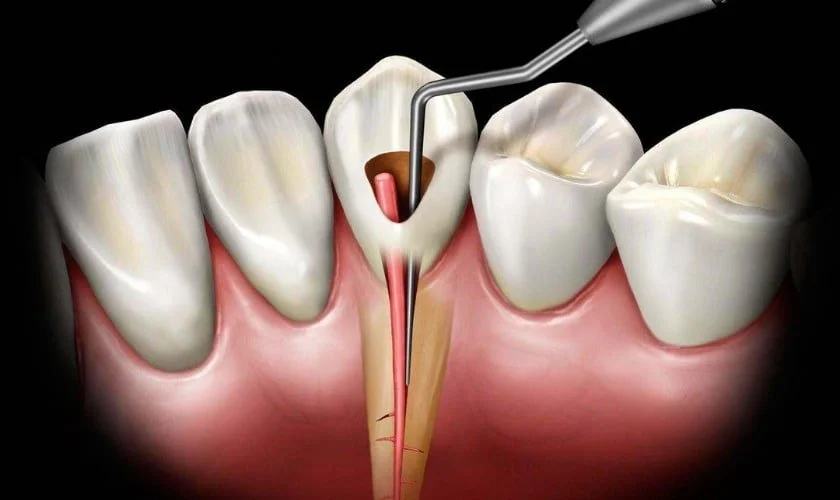
  3. Conservative treatment – If possible, dentists may choose root canal treatment over extraction.

  4. Collaboration with physician – In some cases, doctors and dentists may discuss a “drug holiday” (temporary discontinuation), though this remains controversial.

What Patients Should Do

  • Tell your dentist and oral surgeon if you are on bisphosphonates.

  • Maintain excellent oral hygiene.

  • Schedule regular dental checkups to catch problems early.

  • Avoid delaying necessary dental work—address dental issues before starting bisphosphonate therapy, if possible.

Key Takeaway

Bisphosphonates are powerful medications that protect bone health, but they pose unique challenges for dental procedures. The risk of osteonecrosis of the jaw makes preventive care and open communication between patients, dentists, and physicians essential.

If you are on bisphosphonate therapy, talk to your dentist about the safest treatment plan for your oral health.

TMJ Dysfunction: How Jaw Pain Can Affect Your Whole Body

TMJ dysfunction, also known as temporomandibular joint disorder, occurs when the joints connecting your jaw to your skull are misaligned, inflamed, or not functioning properly. While it often causes jaw pain and difficulty chewing, TMJ dysfunction can have far-reaching effects on your overall health.

What Is TMJ Dysfunction?

The temporomandibular joint (TMJ) acts like a hinge, allowing your jaw to open, close, and move side-to-side. Dysfunction arises when the joint, muscles, or surrounding tissues are stressed, damaged, or misaligned. Causes include:

  • Teeth grinding or clenching (bruxism)

  • Poor bite alignment

  • Stress and muscle tension

  • Trauma or injury to the jaw

  • Arthritis affecting the joint

Common Symptoms of TMJ Dysfunction

Adults with TMJ dysfunction may experience:

  • Jaw pain or tenderness

  • Clicking, popping, or grating sounds in the jaw

  • Difficulty or discomfort chewing

  • Headaches or migraines

  • Ear pain or ringing (tinnitus)

  • Neck, shoulder, or upper back pain

How TMJ Dysfunction Affects the Whole Body

TMJ dysfunction doesn’t just cause jaw pain — it can impact your entire musculoskeletal system and overall well-being:

  1. Head and Neck – Tension can lead to chronic headaches, migraines, and neck stiffness.

  2. Spine and Posture – Misalignment in the jaw can affect head posture, causing shoulder and back strain.

  3. Sleep – TMJ issues can worsen sleep quality, especially if linked to teeth grinding or sleep apnea.

  4. Nervous System – Chronic jaw tension can increase stress and fatigue.

  5. Digestive System – Difficulty chewing may affect proper digestion and nutrition.

Treatment Options for TMJ Dysfunction

  • Pain Management – Anti-inflammatory medications or muscle relaxants

  • Physical Therapy – Exercises to strengthen jaw muscles and improve movement

  • Dental Treatments – Bite guards, occlusal adjustments, or orthodontic corrections

  • Stress Reduction – Relaxation techniques to reduce jaw clenching

  • Surgical Options – In severe cases, minimally invasive TMJ surgery

Early intervention can prevent complications and improve overall quality of life.

Why Choose Pain Free Dentist Sydney

At Pain Free Dentist Sydney, we provide expert diagnosis and treatment for TMJ dysfunction, addressing not only jaw pain but its effects on your entire body. Our gentle, modern approach helps restore jaw function and overall health.

📞 Call 9558 8988
📧 Email: info@painfreedentistsydney.com.au
🌐 Visit: https://painfreedentistsydney.com.au/