Dental Sleep Apnea: How Your Dentist Can Help You Breathe Better at Night

Tired All the Time? Waking Up Gasping or Snoring? Your Teeth and Jaw Could Be Involved.

Sleep apnea affects millions of Australians, yet it often goes undiagnosed—especially when the root cause is dental or jaw-related. If you snore, grind your teeth, wake up tired, or gasp for air during the night, you might have obstructive sleep apnea (OSA)—and your dentist could be the first to detect it.

At Pain Free Dentist Sydney, we specialise in identifying and treating dental-related sleep apnea with custom, non-invasive solutions that can help you finally get the restful sleep your body needs.

What Is Obstructive Sleep Apnea (OSA)?

Obstructive sleep apnea occurs when your airway becomes blocked during sleep, causing you to stop breathing multiple times per hour. This disrupts oxygen flow to your brain and body—leading to serious health consequences if left untreated.

Common causes include:

  • Relaxed soft tissues in the throat

  • Tongue falling back and blocking the airway

  • Narrow jaws or dental arches

  • Improper tongue posture

  • Enlarged tonsils or nasal obstruction

  • Tongue tie or oral muscle dysfunction

Dental Signs of Sleep Apnea

Dentists are often the first to spot red flags. During your exam, we may notice:

  • Teeth grinding (bruxism)

  • Worn-down or cracked teeth

  • Scalloped edges on the tongue

  • Dry mouth

  • Retruded jaw or narrow dental arch

  • Tongue tie or low tongue posture

If we suspect sleep apnea, we may recommend a sleep study or refer you to a sleep physician while working on dental solutions that support better breathing.

Symptoms of Dental-Related Sleep Apnea

Even if you don’t snore loudly, you could still have sleep apnea. Common symptoms include:

  • Loud or frequent snoring

  • Gasping or choking during sleep

  • Morning headaches

  • Dry mouth or sore throat

  • Daytime fatigue or brain fog

  • Poor concentration or memory issues

  • Mood swings or irritability

  • Grinding or clenching teeth at night

  • TMJ pain or jaw tension

How Can a Dentist Treat Sleep Apnea?

At Pain Free Dentist Sydney, we offer dental sleep apnea treatments for patients who:

  • Cannot tolerate a CPAP machine

  • Have mild to moderate OSA

  • Want a more comfortable and portable solution

Custom Oral Appliance Therapy

We create a custom-made dental device (also called a mandibular advancement splint) that gently repositions your lower jaw forward during sleep—keeping your airway open and reducing apnea events.

Benefits of oral appliances:

  • Comfortable and discreet

  • Easy to travel with

  • Non-invasive and quiet

  • Effective for many mild to moderate cases

  • Can reduce snoring and improve oxygen levels

Airway-Focused Dentistry

We also address the underlying causes:

  • Jaw development or narrow arches

  • Tongue tie (ankyloglossia)

  • Poor tongue posture or mouth breathing

  • Myofunctional therapy referral

  • TMJ assessment

Sleep Apnea Affects More Than Just Your Sleep

Untreated sleep apnea can contribute to:

  • High blood pressure

  • Heart disease

  • Stroke

  • Type 2 diabetes

  • Depression and anxiety

  • Low energy and reduced quality of life

That’s why early diagnosis and collaboration between your dentist and sleep physician is so important.

Don’t Sleep on Sleep Apnea – Get Help from a Dentist Who Understands the Airway

At Pain Free Dentist Sydney, we don’t just look at your teeth—we look at the bigger picture. If you're constantly tired, snore, or grind your teeth, book a consultation with us. We’ll assess your airway, jaw, and sleep health, and create a plan to help you breathe—and live—better.

Book a Dental Sleep Apnea Assessment

📞 Call us: 9558 8988
📧 Email: info@painfreedentistsydney.com.au
🌐 Book online: https://painfreedentistsydney.com.au/

Severe Adult Tongue Tie: Why It’s More Than Just a Minor Inconvenience

Still Struggling with Jaw Pain, Speech, or Snoring? It Could Be a Tongue Tie.

Most people associate tongue tie (or ankyloglossia) with infants who have trouble breastfeeding. But what many don’t realise is that tongue ties don’t go away on their own—and in adults, they can cause a wide range of daily issues that often go misdiagnosed.

At Pain Free Dentist Sydney, we see many adult patients with severe tongue ties who never knew their symptoms were connected to restricted tongue movement.

What Is a Tongue Tie?

A tongue tie is a condition where the thin band of tissue (lingual frenulum) under the tongue is too short or tight, restricting natural tongue movement. This can affect how your tongue rests, speaks, swallows, and functions—leading to a cascade of problems over time.

Symptoms of a Severe Tongue Tie in Adults

You may have a tongue tie and not even realise it. Here are common symptoms:

  • Chronic jaw or neck tension

  • Difficulty speaking clearly or fatigue when talking

  • Snoring or mild sleep apnea

  • Headaches or migraines

  • Teeth grinding (bruxism)

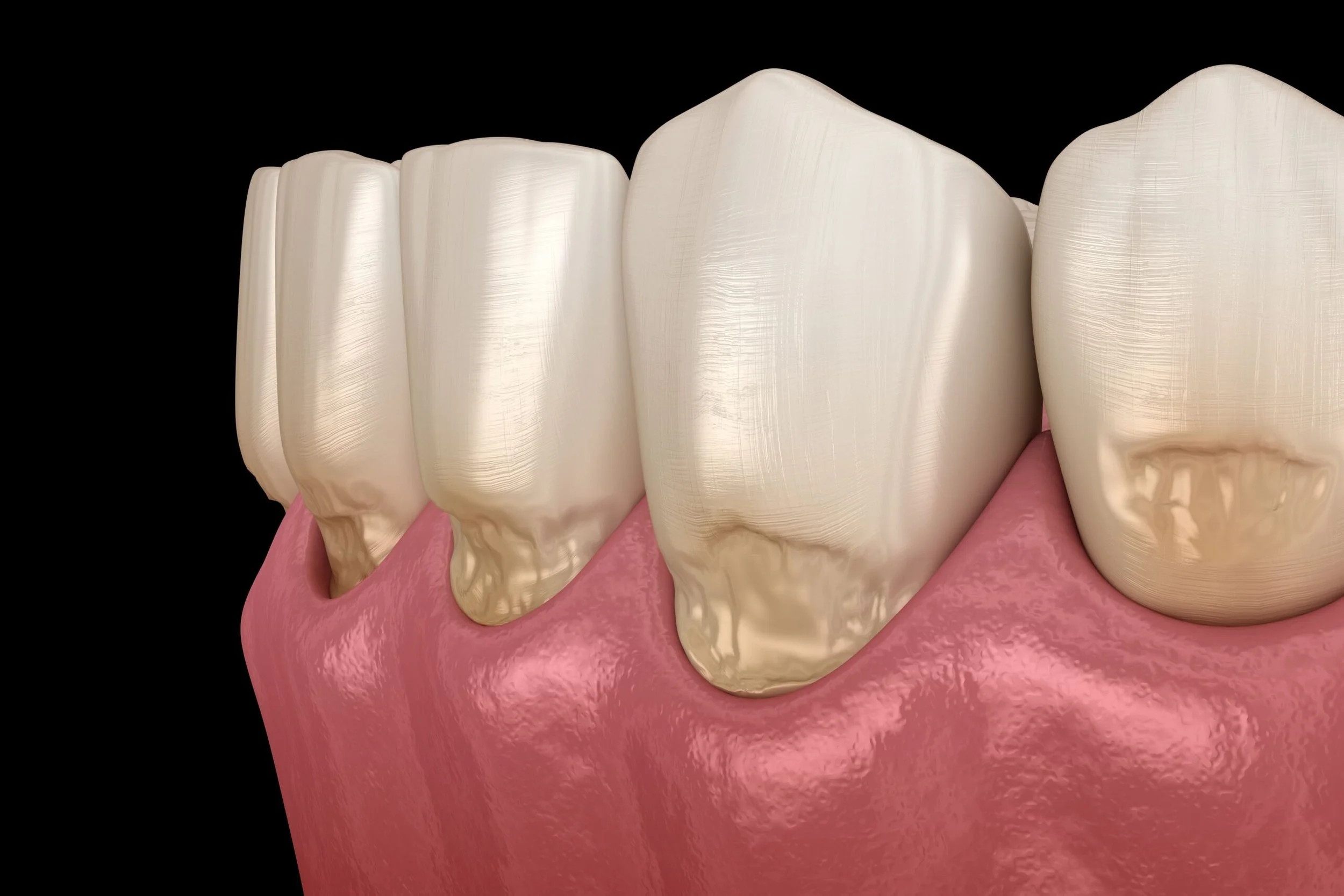
  • Gum recession or crowding

  • Digestive issues from poor chewing

  • Difficulty swallowing or eating certain foods

  • Clicking jaw or TMJ dysfunction

  • Forward head posture

  • Low tongue posture impacting nasal breathing

Why a Tongue Tie Affects Your Daily Life

Your tongue is a foundational muscle for speaking, breathing, and swallowing. If it’s restricted, your body has to compensate. Over time, this leads to:

Postural Strain

A restricted tongue can affect head, neck, and jaw posture, leading to chronic muscle tightness and tension.

Sleep & Breathing Problems

The tongue may fall backward during sleep, narrowing the airway and contributing to snoring or obstructive sleep apnea.

Speech & Communication Issues

Many adults develop habits like mumbling, lisping, or avoiding certain words due to tongue mobility issues.

Digestive Problems

Poor tongue mobility affects chewing and swallowing, which impacts digestion and gut health.

Emotional Impact

Ongoing speech or health issues can affect self-confidence, relationships, and quality of life.

Why It’s Often Missed

Most adults with tongue ties were never diagnosed in childhood. They simply “adapted” over time—without realising that symptoms like TMJ pain, poor sleep, or posture issues are linked to restricted tongue movement.

Even many healthcare providers overlook tongue ties unless they have specific training in orofacial function and airway-focused dentistry—which we offer at Pain Free Dentist Sydney.

Treatment: What Can Be Done for a Tongue Tie in Adults?

Comprehensive Assessment
We assess not just the tongue, but how it affects your posture, jaw, airway, and daily function. We may use digital imaging, airway screening, and functional movement tests.

Frenectomy (Tongue Tie Release)
A precise, minimally invasive procedure (often with laser) that releases the tight tissue and restores natural tongue mobility.

Myofunctional Therapy
We work with trained therapists to retrain tongue, jaw, and breathing patterns for long-term results and symptom relief.

TMJ & Breathing Support
We address co-existing issues like TMJ pain, clenching, or mouth breathing through a full-body approach.

What Patients Say After Tongue Tie Release

Many adult patients experience:

  • Better sleep and less snoring

  • Clearer, easier speech

  • Relief from jaw pain or tension

  • Improved breathing and posture

  • Less clenching or teeth grinding

  • Boost in confidence and energy

Think You Might Have a Tongue Tie? We Can Help.

If you’re constantly dealing with pain, fatigue, or breathing issues—and haven’t found relief—a tongue tie could be the missing piece. At Pain Free Dentist Sydney, we take a gentle, holistic approach to uncover and treat tongue restrictions in adults.

Book a Tongue Tie Assessment Today

📞 Call us: 9558 8988
📧 Email: info@painfreedentistsydney.com.au
🌐 Book online: https://painfreedentistsydney.com.au/

Botox for TMJ Pain Relief: A Modern, Non-Surgical Solution

Struggling with Jaw Pain, Teeth Grinding, or TMJ Disorder? Botox May Help.

If you wake up with jaw soreness, frequent headaches, or find yourself clenching your teeth during the day or night, you might be suffering from TMJ disorder—also known as TMD. At Pain Free Dentist Sydney, we offer a modern, effective treatment: Botox for TMJ pain relief.

This safe, non-surgical option helps relax the overactive jaw muscles that cause pain, tension, and teeth grinding (bruxism)—giving you long-lasting relief without the need for surgery or medication.

What Is TMJ Disorder (TMD)?

TMJ stands for temporomandibular joint—the hinge that connects your jaw to your skull. When this joint becomes irritated, inflamed, or misaligned, it can cause:

  • Jaw pain or tightness

  • Clicking or popping when chewing

  • Headaches and migraines

  • Teeth grinding (bruxism)

  • Facial pain

  • Earaches or ringing in the ears

How Botox Helps TMJ and Jaw Pain

Botox (botulinum toxin type A) is commonly used in cosmetic treatments, but it’s also approved and widely used for medical conditions like TMJ dysfunction and chronic teeth grinding. When injected into the jaw muscles (typically the masseter and temporalis), Botox helps:

  • Relax overactive jaw muscles

  • Reduce jaw tension and clenching

  • Minimise teeth grinding at night

  • Alleviate headaches and facial pain

  • Protect your teeth from wear and damage

The result? Less pain, better sleep, and a more relaxed jaw.

What to Expect During Botox Treatment for TMJ

  1. Consultation
    We’ll assess your symptoms, dental history, and determine if Botox is right for your TMJ treatment.

  2. Quick, Painless Injections
    The procedure takes just 10–15 minutes. Using a tiny needle, we inject Botox directly into the affected jaw muscles. Most patients report little to no discomfort.

  3. Fast Recovery
    No downtime is needed—you can return to work or daily activities immediately. Results begin to appear in 3–5 days, with full effects in 1–2 weeks.

  4. Lasting Relief
    Relief typically lasts 3 to 6 months, after which a follow-up treatment may be recommended.

Is Botox for TMJ Safe?

Yes—Botox is a safe, FDA-approved treatment when administered by a trained dental professional. At Pain Free Dentist Sydney, your treatment is carried out by experienced clinicians with expert knowledge of jaw anatomy.

We’ll discuss all possible side effects and ensure you're a good candidate before proceeding.

Who Is a Good Candidate for TMJ Botox?

You may benefit from Botox for TMJ if you:

  • Suffer from chronic jaw pain or tightness

  • Grind or clench your teeth (especially at night)

  • Experience jaw clicking, locking, or fatigue

  • Have frequent tension headaches or migraines

  • Want a non-surgical, drug-free TMJ treatment

Bonus: Slimmer Jawline as a Side Benefit

An added cosmetic bonus? Botox in the masseter muscles can subtly slim the jawline, giving a softer facial contour—especially for those with jaw muscle hypertrophy from clenching or grinding.

Relieve Your Jaw Pain with Botox at Pain Free Dentist Sydney

Don’t let jaw pain, teeth grinding, or TMJ disorder control your life. Our expert team at Pain Free Dentist Sydney is here to help you find long-lasting relief with gentle, professional care.

Book a TMJ Consultation Today

📞 Call us: 9558 8988
📧 Email: info@painfreedentistsydney.com.au
🌐 Book online: https://painfreedentistsydney.com.au/