Gum Disease and Smoking: Understanding the Risks and Prevention

Smoking is a major risk factor for gum disease, also known as periodontal disease. People who smoke are significantly more likely to develop gum problems, experience severe oral infections, and suffer tooth loss. Understanding the connection between smoking and gum disease is critical for protecting your oral and overall health.

How Smoking Affects Your Gums

Nicotine and other chemicals in tobacco smoke negatively affect oral health in several ways:

  • Reduced blood flow: Smoking decreases blood circulation to the gums, impairing healing and immune response.

  • Weakened immune system: Smokers have a reduced ability to fight bacterial infections, including those that cause gum disease.

  • Altered bacterial environment: Tobacco promotes harmful bacteria that accelerate gum disease.

  • Delayed tissue repair: Gum tissues take longer to recover from inflammation or dental procedures.

Gum Disease Risk Factors in Smokers

Smokers are more prone to:

  • Gingivitis (early-stage gum disease)

  • Periodontitis (advanced gum disease)

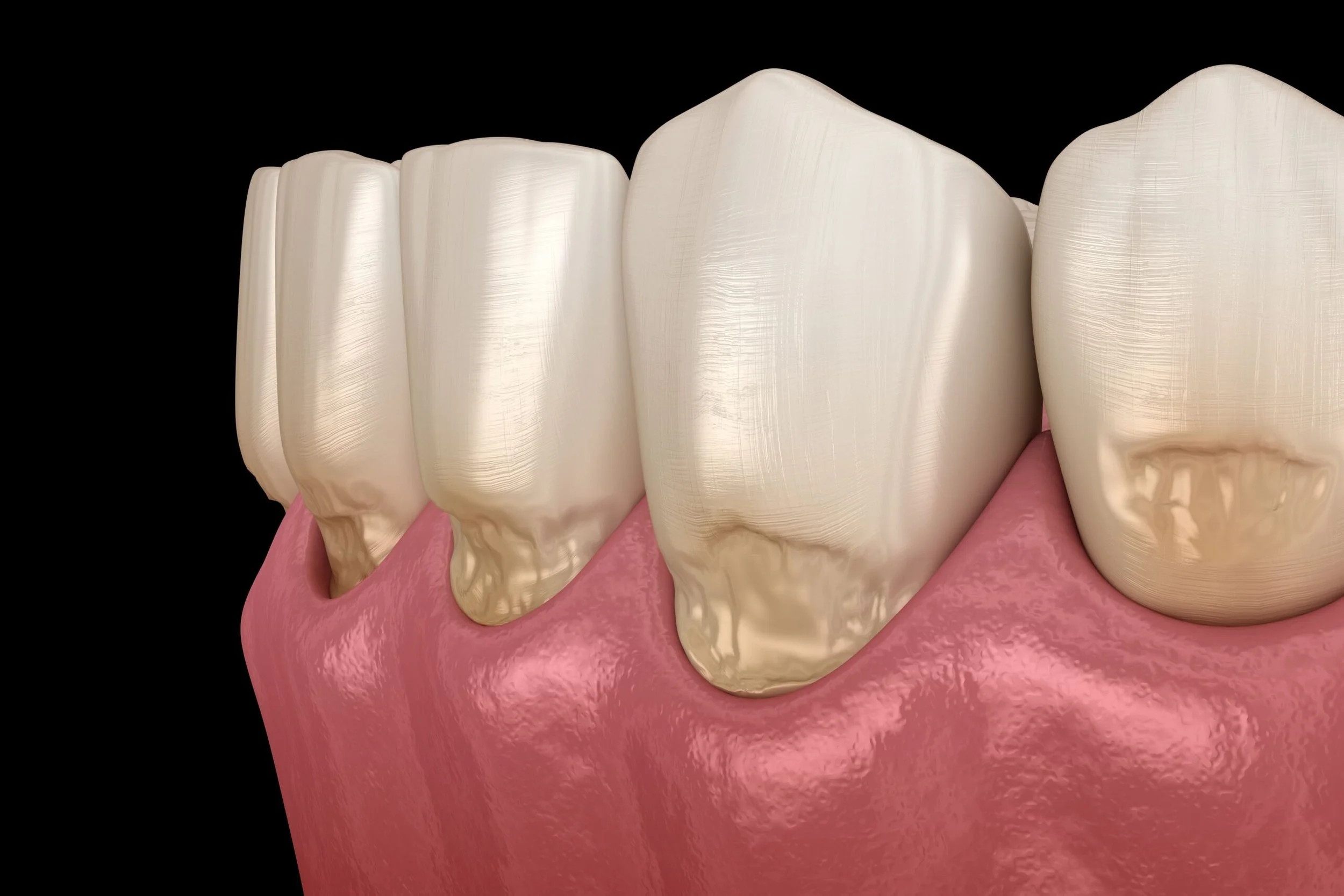
  • Gum recession and tooth loss

  • Increased severity of gum disease compared to non-smokers

Research shows that smokers are up to two to six times more likely to develop severe gum disease than non-smokers.

Signs of Gum Disease to Watch For

If you smoke and notice any of these signs, it’s essential to see a dentist:

  • Bleeding gums during brushing or flossing

  • Red, swollen, or tender gums

  • Persistent bad breath

  • Receding gums or longer-looking teeth

  • Loose or shifting teeth

Early intervention can prevent irreversible damage.

How Quitting Smoking Improves Gum Health

Stopping smoking has immediate and long-term benefits for oral health:

  • Improved blood flow to gum tissue

  • Enhanced immune response to bacterial infections

  • Better healing after dental treatments

  • Reduced risk of tooth loss

Even if gum disease is present, quitting smoking increases the effectiveness of treatment and slows disease progression.

Prevention and Treatment

1. Professional Dental Care

  • Routine checkups and cleanings are crucial

  • Scaling and root planing (deep cleaning) can remove plaque and tartar below the gumline

2. Daily Oral Hygiene

  • Brush at least twice daily with fluoride toothpaste

  • Floss daily

  • Use an antimicrobial mouthwash to reduce bacterial load

3. Lifestyle Changes

  • Quit smoking and avoid tobacco products

  • Eat a balanced diet rich in vitamins C and D for gum health

4. Follow-Up Care

  • Regular dental visits for monitoring and maintenance

  • Early treatment of gum inflammation prevents progression to periodontitis

Final Thoughts: Protect Your Smile by Quitting Smoking

Smoking dramatically increases the risk of gum disease and tooth loss. Quitting smoking, combined with diligent oral hygiene and regular dental care, can significantly reduce your risk and improve the overall health of your gums.

Take control of your gum health today.
Call 9558 8988, email info@painfreedentistsydney.com.au, or book online to schedule a dental checkup and discuss strategies to prevent gum disease while quitting smoking.

Bruxism: Causes, Symptoms, and Effective Treatments

Bruxism: Causes, Symptoms, and Effective Treatments

Bruxism, commonly known as teeth grinding, is a condition where you involuntarily grind, gnash, or clench your teeth. It can occur during the day or at night and may have significant consequences for your oral health if left untreated.

In this article, we’ll explore the causes, symptoms, and treatments for bruxism, and explain how early intervention can protect your teeth and jaw.

What Causes Bruxism?

Bruxism can be triggered by a combination of physical, psychological, and lifestyle factors:

  • Stress and anxiety: Emotional tension can lead to unconscious clenching or grinding.

  • Sleep disorders: Conditions like sleep apnea can increase nighttime grinding.

  • Abnormal bite or misaligned teeth: Irregularities in tooth alignment can trigger bruxism.

  • Lifestyle factors: Excessive caffeine, alcohol, or smoking may contribute.

  • Medications: Certain antidepressants or stimulants may increase the risk.

Signs and Symptoms of Bruxism

Many people are unaware they grind their teeth, especially at night. Watch for these common signs:

  • Flattened, worn, or chipped teeth

  • Tooth sensitivity or pain

  • Jaw pain or stiffness, especially in the morning

  • Headaches or earaches

  • Indentations on the tongue or inside of cheeks

  • Disrupted sleep for you or your partner

Early detection is key to preventing long-term damage.

Potential Oral Health Consequences

Untreated bruxism can lead to serious dental issues:

  • Enamel erosion: Leads to increased tooth sensitivity and cavities

  • Tooth fractures: Chipped or cracked teeth may require restorations

  • TMJ disorders: Jaw joint problems causing pain, clicking, or limited movement

  • Gum recession: Excessive pressure can impact gum tissue health

How Bruxism Is Diagnosed

Your dentist may diagnose bruxism through:

  • Oral examination for wear patterns and enamel loss

  • Jaw and muscle assessment

  • Sleep study if sleep disorders are suspected

  • Reviewing medical history and lifestyle factors

Effective Treatments for Bruxism

Treatment depends on the severity and underlying cause:

1. Night Guards or Occlusal Splints

  • Custom-made dental appliances worn at night

  • Protect teeth from grinding damage

  • Help alleviate jaw pain and tension

2. Stress Management

  • Relaxation techniques, meditation, and therapy can reduce stress-induced grinding

3. Correcting Bite Issues

  • Ddental restorations to align teeth properly

4. Medication (In Certain Cases)

  • Muscle relaxants or Botox injections may be considered for severe bruxism

5. Lifestyle Modifications

  • Reducing caffeine and alcohol

  • Quitting smoking

  • Improving sleep quality

Final Thoughts: Don’t Ignore Teeth Grinding

Bruxism is more than a nuisance — it can cause serious dental problems if untreated. Early intervention with a night guard, stress management, or dental correction can prevent long-term damage and improve comfort.

Protect your teeth and jaw today.
Call 9558 8988, email info@painfreedentistsydney.com.au, or book online for a consultation and personalized bruxism treatment.

Dental Sedation: Safe and Comfortable Dentistry for Every Patient

Many people experience anxiety or fear when visiting the dentist. This can lead to delayed treatment, worsening oral health, and unnecessary discomfort. Dental sedation provides a safe, effective way to manage anxiety and ensure a comfortable dental experience.

In this article, we’ll explain what dental sedation is, the types available, who can benefit, and how it can make dental visits stress-free.

What Is Dental Sedation?

Dental sedation involves the use of medication to help patients relax during dental procedures. It does not eliminate pain on its own, but when combined with local anesthesia, it creates a calm and comfortable experience.

Sedation can range from minimal relaxation to deep sedation where you are nearly or fully asleep.

Types of Dental Sedation

1. Nitrous Oxide (Laughing Gas)

  • Inhaled through a mask

  • Induces mild relaxation

  • Effects wear off quickly after treatment

  • Safe for most patients, including children

2. Oral Sedation

  • Taken as a pill before the appointment

  • Induces moderate relaxation

  • You may remain awake but very drowsy

  • Often combined with local anesthesia

3. IV Sedation

  • Administered through a vein

  • Provides deeper sedation, often used for longer or more complex procedures

  • Allows real-time adjustment of sedation level by the dentist

  • Requires monitoring during and after the procedure

4. General Anesthesia

  • Rarely used in dental offices except for complex surgical cases

  • Patient is completely unconscious

  • Usually reserved for extreme anxiety or major oral surgery

Who Can Benefit from Dental Sedation?

  • Patients with dental anxiety or phobia

  • Those needing lengthy or complex procedures

  • Patients with a strong gag reflex

  • Individuals with low pain tolerance

  • Children or adults who have difficulty sitting still during treatment

Dental sedation allows these patients to receive essential care comfortably and safely.

Benefits of Dental Sedation

  • Reduces anxiety and fear of dental visits

  • Allows completion of multiple procedures in a single visit

  • Minimizes memory of the procedure, easing future dental visits

  • Enhances patient cooperation during complex treatments

  • Improves overall oral health, as patients are less likely to avoid dental care

Is Dental Sedation Safe?

Dental sedation is generally very safe when administered by trained professionals. Dentists carefully assess your medical history, medications, and overall health to choose the most appropriate sedation method.

Monitoring during the procedure ensures that vital signs remain stable and that recovery is smooth.

Final Thoughts: Stress-Free Dental Care Is Possible

Dental sedation offers a safe, effective, and comfortable solution for patients with anxiety, gag reflexes, or complex dental needs. It enables you to receive the care you need without fear, discomfort, or stress.

Take the fear out of your dental visits.
Call 9558 8988, email info@painfreedentistsydney.com.au, or book online to learn more about dental sedation and schedule your stress-free appointment today.