Severe Bruxism and Its Relationship with Chronic Pain

Bruxism, commonly known as teeth grinding or jaw clenching, can range from mild to severe. While occasional grinding may go unnoticed, severe bruxism can have significant consequences for your oral and overall health, including the development of chronic pain.

Understanding the link between severe bruxism and chronic pain is essential for early intervention and effective treatment.

How Severe Bruxism Leads to Chronic Pain

Teeth grinding and clenching place tremendous stress on the jaw muscles, temporomandibular joint (TMJ), and surrounding structures. Over time, this can result in:

  • Jaw muscle fatigue and tension

  • TMJ disorders causing pain, clicking, or limited movement

  • Headaches and migraines triggered by muscle strain

  • Neck and shoulder pain from associated muscular tension

  • Facial pain and sensitivity due to overworked muscles

Chronic exposure to this strain can create a cycle of pain that affects daily life and sleep quality.

Signs of Severe Bruxism

Common symptoms include:

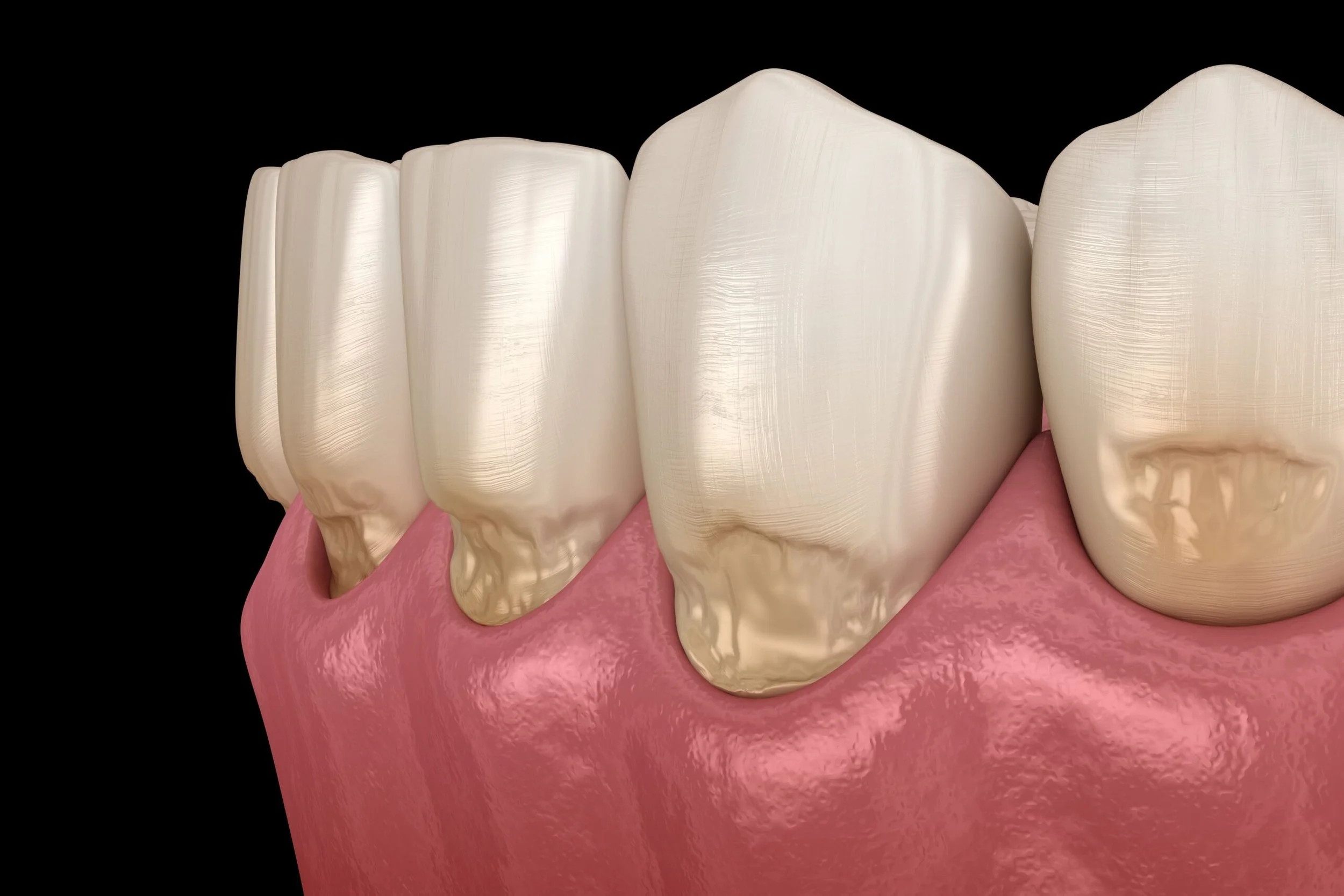
  • Worn, flattened, or chipped teeth

  • Tooth sensitivity or pain

  • Jaw stiffness or soreness, especially in the morning

  • Frequent headaches or earaches

  • Muscle tenderness in the face, neck, or shoulders

  • Sleep disturbances for yourself or your partner

Early recognition of these symptoms is critical to prevent long-term damage.

Managing Chronic Pain Caused by Bruxism

1. Dental Appliances

  • Night guards protect teeth from grinding damage

  • Reduce jaw strain and alleviate muscle pain

2. Stress Management

  • Relaxation techniques, meditation, and therapy help reduce stress-induced grinding

3. TMJ Therapy

  • Physiotherapy, exercises, and in some cases, Botox injections can relieve chronic muscle tension

4. Medication and Pain Management

  • Over-the-counter or prescribed pain relievers may be used temporarily

  • Muscle relaxants for severe cases under professional supervision

5. Lifestyle Adjustments

  • Limit caffeine and alcohol

  • Improve sleep hygiene

  • Maintain good posture to reduce neck and jaw strain

Why Early Intervention Matters

Ignoring severe bruxism can lead to irreversible dental damage, persistent pain, and reduced quality of life. Timely treatment can:

  • Prevent tooth loss and enamel erosion

  • Reduce TMJ strain and chronic pain

  • Improve sleep quality and overall wellbeing

Final Thoughts: Break the Cycle of Pain

Severe bruxism is more than a dental concern — it is closely linked to chronic pain in the jaw, head, and neck. By seeking early diagnosis and combining dental, medical, and lifestyle interventions, patients can protect their teeth and significantly reduce chronic pain.

Protect your teeth and relieve chronic pain today.
Call 9558 8988, email info@painfreedentistsydney.com.au, or book online for a consultation and personalized treatment plan for severe bruxism and chronic pain.

Worker’s Compensation for Dental Injuries and TMJ Issues: What You Need to Know

Worker’s Compensation for Dental Injuries and TMJ Issues: What You Need to Know

Workplace accidents can lead to serious dental injuries, including broken teeth, jaw fractures, soft tissue damage, and TMJ (temporomandibular joint) issues. If you sustain a dental injury or develop TMJ problems while on the job, you may be entitled to worker’s compensation benefits to cover treatment costs, rehabilitation, and lost income.

Understanding your rights and the process for claiming compensation is crucial to ensure you receive proper care and support.

Common Workplace Dental Injuries and TMJ Problems

Dental and jaw injuries can occur in a variety of workplace settings, from construction sites to offices. Common injuries include:

  • Broken or fractured teeth due to impact or falls

  • Jaw fractures or dislocations from heavy machinery accidents

  • Soft tissue injuries to lips, gums, or tongue

  • Tooth avulsions (knocked-out teeth) from collisions or blunt trauma

  • TMJ disorders caused by trauma or repetitive stress to the jaw

Prompt dental and medical attention is essential to prevent long-term complications.

Workers Compensation Coverage for Dental and TMJ Injuries

Workers compensation can cover a range of expenses related to workplace dental and jaw injuries:

  • Emergency and restorative dental care (fillings, crowns, root canals)

  • Surgical procedures for jaw repair or dental implants

  • TMJ treatment including night guards, physiotherapy, or Botox injections

  • Diagnostic tests (X-rays, CT scans)

  • Medication and pain management

  • Lost wages if you are unable to work during recovery

Eligibility and coverage may vary depending on the nature of the injury, your employment type, and local regulations.

Steps to Take After a Workplace Dental or TMJ Injury

  1. Seek immediate dental or medical care

    • Quick treatment improves outcomes, especially for TMJ, jaw, or tooth injuries

  2. Report the injury to your employer

    • Notify your supervisor or HR department as soon as possible

  3. Document the incident

    • Take photos of the injury and the accident scene

    • Keep records of medical visits and treatment plans

  4. File a worker’s compensation claim

    • Submit required forms and documentation to your workplace insurance provider

  5. Follow up on treatment and claims

    • Attend all dental and TMJ appointments

    • Communicate with your employer and insurer regarding claim status

Preventing Workplace Dental and TMJ Injuries

While accidents can happen, certain measures can reduce your risk:

  • Wear protective gear, such as mouthguards and helmets

  • Follow workplace safety protocols

  • Avoid risky behaviors around machinery and tools

  • Maintain good posture and avoid excessive jaw strain to protect TMJ

  • Participate in safety training programs

Final Thoughts: Protect Your Teeth, Jaw, and Your Rights

Dental injuries and TMJ problems at work can be painful and costly, but knowing your rights and seeking prompt treatment ensures the best outcome. Workers compensation can help cover medical expenses and lost wages, so you can focus on recovery without financial stress.

If you’ve experienced a workplace dental or TMJ injury, don’t wait.
Call 9558 8988, email info@painfreedentistsydney.com.au, or book online to schedule an assessment and get guidance on treatment and worker’s compensation claims.

Botox for TMJ Pain: Relief and Treatment Options

ox Helps with TMJ Pain

Botox (botulinum toxin) works by temporarily relaxing overactive muscles in the jaw and face. By targeting specific muscles responsible for clenching and grinding, Botox can:

  • Reduce jaw tension and stiffness

  • Minimize teeth grinding (bruxism)

  • Alleviate headaches caused by TMJ strain

  • Improve overall comfort and jaw mobility

The effects typically last 3–6 months, after which additional treatments may be required.

Who Can Benefit from Botox for TMJ?

Botox treatment is ideal for patients who:

  • Experience chronic jaw pain or muscle tension

  • Suffer from severe bruxism not relieved by night guards

  • Have headaches or facial pain linked to TMJ dysfunction

  • Seek a minimally invasive alternative to surgery or long-term medication

A thorough assessment by a dental professional is necessary to determine suitability.

The Procedure

  • Botox is administered via small injections into specific jaw muscles

  • The procedure is quick, typically taking 10–30 minutes

  • Local anesthesia or topical numbing may be used for comfort

  • Minimal downtime is required; most patients return to normal activities immediately

Benefits of Botox for TMJ Pain

  • Non-surgical treatment with minimal invasiveness

  • Reduces muscle overactivity and jaw tension

  • Can complement other TMJ treatments like night guards or physiotherapy

  • Improves quality of life by reducing pain and discomfort

Safety and Considerations

Botox is generally safe when administered by a qualified dental or medical professional. Common side effects are mild and temporary, including:

  • Slight swelling or bruising at injection sites

  • Temporary soreness or weakness in the jaw muscles

Regular follow-ups are important to monitor results and adjust treatment as needed.

Final Thoughts: A Modern Approach to TMJ Relief

Botox offers a safe, effective, and minimally invasive option for managing TMJ-related pain and bruxism. When combined with traditional therapies and lifestyle adjustments, Botox can significantly improve jaw function, reduce headaches, and enhance overall comfort.

Take the next step toward TMJ relief.
Call 9558 8988, email info@painfreedentistsydney.com.au, or book online to schedule a consultation and learn if Botox treatment is right for you.