TMJ Problems and Their Relationship with Posture

Temporomandibular joint (TMJ) disorders affect the jaw joint and surrounding muscles, causing pain, limited movement, and discomfort. Many patients are unaware that poor posture can contribute to TMJ problems, creating a cycle of jaw tension, headaches, and neck pain.

Understanding the link between posture and TMJ is crucial for effective treatment and long-term relief.

How Posture Affects TMJ Health

The temporomandibular joint is closely connected to the muscles of the neck, shoulders, and upper back. Poor posture, such as slouching or forward head position, can place additional strain on these muscles, leading to:

  • Increased tension in the jaw muscles

  • Misalignment of the TMJ

  • Chronic jaw pain or clicking

  • Headaches and neck pain

Over time, this strain can worsen existing TMJ problems or contribute to the development of new issues.

Common Posture-Related TMJ Symptoms

Watch for these signs if you have poor posture and suspect TMJ problems:

  • Jaw pain, stiffness, or limited movement

  • Clicking, popping, or grinding sounds in the jaw

  • Frequent headaches or migraines

  • Neck, shoulder, or upper back pain

  • Tooth wear from grinding or clenching (bruxism)

Managing TMJ Problems Through Posture

1. Maintain Proper Head and Neck Alignment

  • Keep ears aligned over shoulders

  • Avoid forward head posture, especially when using computers or smartphones

  • Take regular breaks to stretch and correct posture

2. Strengthening and Stretching Exercises

  • Neck and shoulder stretches to reduce muscle tension

  • Jaw relaxation exercises recommended by a dental professional or physiotherapist

3. Ergonomic Workstations

  • Adjust chair, monitor, and keyboard height to promote a neutral spine

  • Use supportive chairs and proper desk setup to reduce strain

4. Stress Management

  • Stress can worsen muscle tension and TMJ symptoms

  • Techniques such as meditation, deep breathing, and yoga can help alleviate tension

5. Dental Interventions

  • Custom night guards to prevent teeth grinding

  • Corrective dental treatment for bite misalignment

Why Posture Should Not Be Overlooked

Addressing TMJ pain without considering posture may only provide temporary relief. Improving posture helps reduce muscle strain, prevent worsening of jaw dysfunction, and complement dental or medical interventions for lasting results.

Final Thoughts: Align Your Posture, Protect Your Jaw

TMJ problems are often multifactorial, and posture plays a key role in both prevention and management. By maintaining good posture, performing exercises, and seeking professional dental care, you can reduce jaw pain, prevent headaches, and improve overall musculoskeletal health.

Take control of TMJ pain today.
Call 9558 8988, email info@painfreedentistsydney.com.au, or book online to schedule a consultation and learn how posture and dental care can work together to relieve TMJ discomfort.

Gum Disease and Smoking: Understanding the Risks and Prevention

Smoking is a major risk factor for gum disease, also known as periodontal disease. People who smoke are significantly more likely to develop gum problems, experience severe oral infections, and suffer tooth loss. Understanding the connection between smoking and gum disease is critical for protecting your oral and overall health.

How Smoking Affects Your Gums

Nicotine and other chemicals in tobacco smoke negatively affect oral health in several ways:

  • Reduced blood flow: Smoking decreases blood circulation to the gums, impairing healing and immune response.

  • Weakened immune system: Smokers have a reduced ability to fight bacterial infections, including those that cause gum disease.

  • Altered bacterial environment: Tobacco promotes harmful bacteria that accelerate gum disease.

  • Delayed tissue repair: Gum tissues take longer to recover from inflammation or dental procedures.

Gum Disease Risk Factors in Smokers

Smokers are more prone to:

  • Gingivitis (early-stage gum disease)

  • Periodontitis (advanced gum disease)

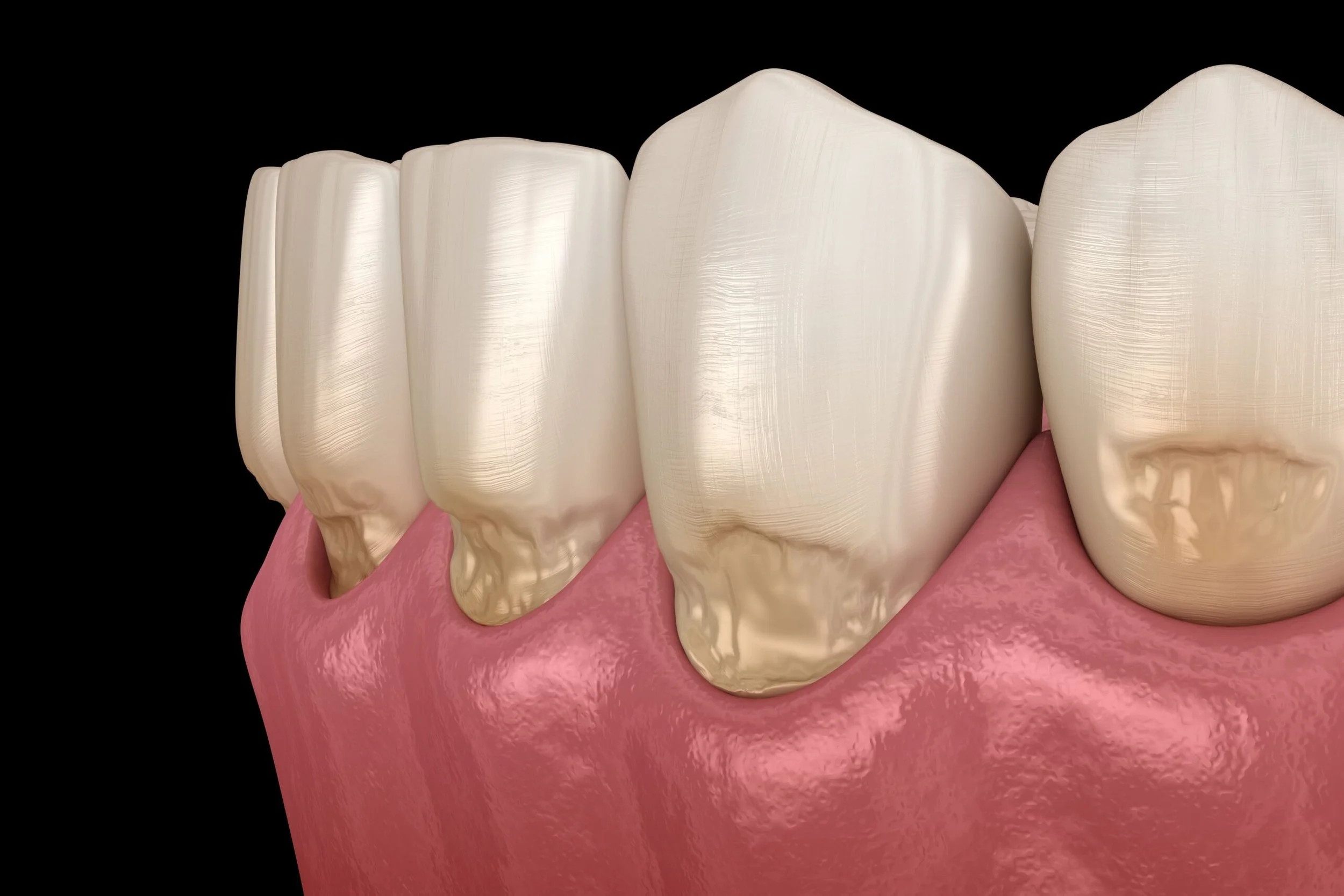
  • Gum recession and tooth loss

  • Increased severity of gum disease compared to non-smokers

Research shows that smokers are up to two to six times more likely to develop severe gum disease than non-smokers.

Signs of Gum Disease to Watch For

If you smoke and notice any of these signs, it’s essential to see a dentist:

  • Bleeding gums during brushing or flossing

  • Red, swollen, or tender gums

  • Persistent bad breath

  • Receding gums or longer-looking teeth

  • Loose or shifting teeth

Early intervention can prevent irreversible damage.

How Quitting Smoking Improves Gum Health

Stopping smoking has immediate and long-term benefits for oral health:

  • Improved blood flow to gum tissue

  • Enhanced immune response to bacterial infections

  • Better healing after dental treatments

  • Reduced risk of tooth loss

Even if gum disease is present, quitting smoking increases the effectiveness of treatment and slows disease progression.

Prevention and Treatment

1. Professional Dental Care

  • Routine checkups and cleanings are crucial

  • Scaling and root planing (deep cleaning) can remove plaque and tartar below the gumline

2. Daily Oral Hygiene

  • Brush at least twice daily with fluoride toothpaste

  • Floss daily

  • Use an antimicrobial mouthwash to reduce bacterial load

3. Lifestyle Changes

  • Quit smoking and avoid tobacco products

  • Eat a balanced diet rich in vitamins C and D for gum health

4. Follow-Up Care

  • Regular dental visits for monitoring and maintenance

  • Early treatment of gum inflammation prevents progression to periodontitis

Final Thoughts: Protect Your Smile by Quitting Smoking

Smoking dramatically increases the risk of gum disease and tooth loss. Quitting smoking, combined with diligent oral hygiene and regular dental care, can significantly reduce your risk and improve the overall health of your gums.

Take control of your gum health today.
Call 9558 8988, email info@painfreedentistsydney.com.au, or book online to schedule a dental checkup and discuss strategies to prevent gum disease while quitting smoking.

Bruxism: Causes, Symptoms, and Effective Treatments

Bruxism: Causes, Symptoms, and Effective Treatments

Bruxism, commonly known as teeth grinding, is a condition where you involuntarily grind, gnash, or clench your teeth. It can occur during the day or at night and may have significant consequences for your oral health if left untreated.

In this article, we’ll explore the causes, symptoms, and treatments for bruxism, and explain how early intervention can protect your teeth and jaw.

What Causes Bruxism?

Bruxism can be triggered by a combination of physical, psychological, and lifestyle factors:

  • Stress and anxiety: Emotional tension can lead to unconscious clenching or grinding.

  • Sleep disorders: Conditions like sleep apnea can increase nighttime grinding.

  • Abnormal bite or misaligned teeth: Irregularities in tooth alignment can trigger bruxism.

  • Lifestyle factors: Excessive caffeine, alcohol, or smoking may contribute.

  • Medications: Certain antidepressants or stimulants may increase the risk.

Signs and Symptoms of Bruxism

Many people are unaware they grind their teeth, especially at night. Watch for these common signs:

  • Flattened, worn, or chipped teeth

  • Tooth sensitivity or pain

  • Jaw pain or stiffness, especially in the morning

  • Headaches or earaches

  • Indentations on the tongue or inside of cheeks

  • Disrupted sleep for you or your partner

Early detection is key to preventing long-term damage.

Potential Oral Health Consequences

Untreated bruxism can lead to serious dental issues:

  • Enamel erosion: Leads to increased tooth sensitivity and cavities

  • Tooth fractures: Chipped or cracked teeth may require restorations

  • TMJ disorders: Jaw joint problems causing pain, clicking, or limited movement

  • Gum recession: Excessive pressure can impact gum tissue health

How Bruxism Is Diagnosed

Your dentist may diagnose bruxism through:

  • Oral examination for wear patterns and enamel loss

  • Jaw and muscle assessment

  • Sleep study if sleep disorders are suspected

  • Reviewing medical history and lifestyle factors

Effective Treatments for Bruxism

Treatment depends on the severity and underlying cause:

1. Night Guards or Occlusal Splints

  • Custom-made dental appliances worn at night

  • Protect teeth from grinding damage

  • Help alleviate jaw pain and tension

2. Stress Management

  • Relaxation techniques, meditation, and therapy can reduce stress-induced grinding

3. Correcting Bite Issues

  • Ddental restorations to align teeth properly

4. Medication (In Certain Cases)

  • Muscle relaxants or Botox injections may be considered for severe bruxism

5. Lifestyle Modifications

  • Reducing caffeine and alcohol

  • Quitting smoking

  • Improving sleep quality

Final Thoughts: Don’t Ignore Teeth Grinding

Bruxism is more than a nuisance — it can cause serious dental problems if untreated. Early intervention with a night guard, stress management, or dental correction can prevent long-term damage and improve comfort.

Protect your teeth and jaw today.
Call 9558 8988, email info@painfreedentistsydney.com.au, or book online for a consultation and personalized bruxism treatment.