Don’t Ignore That Toothache: Why Dental Pain Shouldn’t Be Overlooked

A dull ache, sudden sharp pain, or sensitivity to hot and cold can often be dismissed as minor annoyances. Many people assume the discomfort will go away on its own—but dental pain is rarely a problem that resolves without professional care. Ignoring it can lead to more serious issues, longer treatment times, and increased costs.

Common Causes of Dental Pain

  1. Cavities (Tooth Decay): Cavities are caused by bacteria that eat away at your tooth enamel. Early stages might just feel like mild sensitivity, but untreated decay can reach the inner layers of the tooth, causing severe pain and even infections.

  2. Cracked or Broken Teeth: Cracks in teeth can occur from injury, grinding, or biting something hard. They may not always be visible, but they can cause intermittent pain, especially when chewing or exposing the tooth to temperature changes.

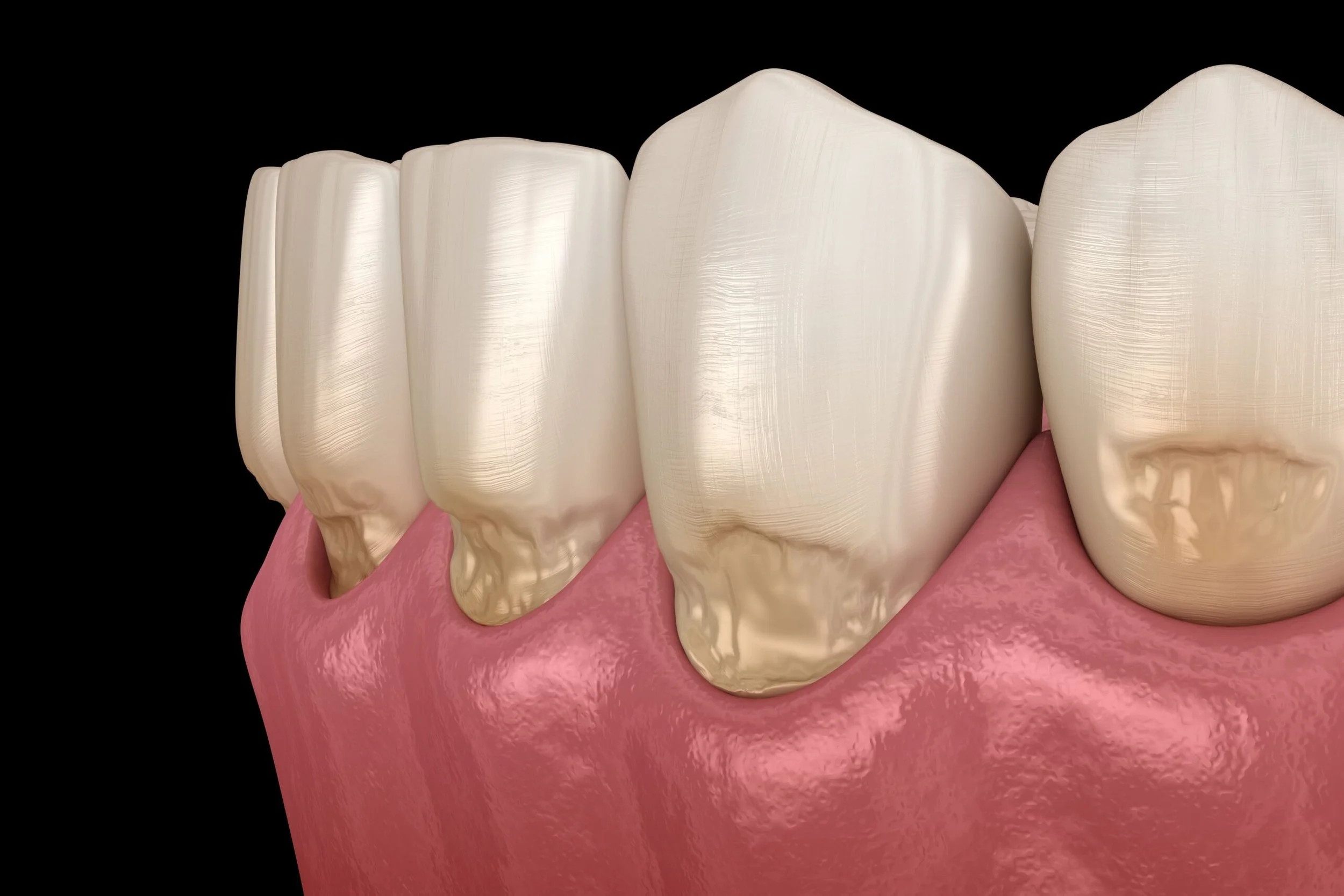
  3. Gum Disease: Gingivitis or periodontitis can lead to inflamed, bleeding gums and discomfort while eating. Advanced gum disease can even cause tooth loss if left untreated.

  4. Tooth Infections or Abscesses: An abscess is a pocket of pus caused by a bacterial infection. This can create throbbing pain, swelling, and sometimes fever. Dental abscesses require urgent attention to prevent the infection from spreading.

Why Early Treatment Matters

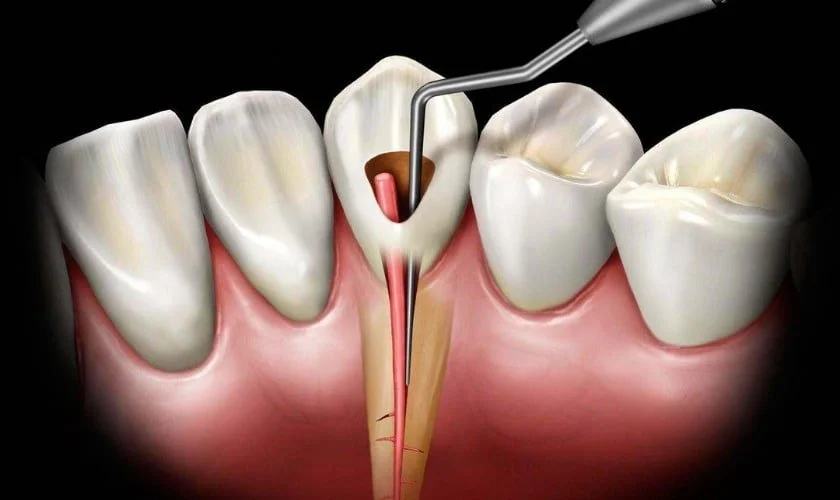
Dental problems almost never improve on their own. Addressing issues early often means smaller, simpler treatments. For instance, a small cavity may require just a filling, while a neglected one could need a root canal or even extraction later. The sooner you act, the less invasive—and less stressful—the treatment usually is.

Pain-Free Dentistry Is a Game Changer

If the thought of dental treatment makes you anxious, you’re not alone. Dental fear is a common reason people avoid going to the dentist until it’s too late. That’s where a pain-free dentist in Sydney can make a huge difference. Modern dentistry uses advanced techniques and gentle approaches to ensure your comfort from start to finish:

  • Effective local anesthesia and sedation options for treatments that traditionally caused discomfort.

  • Laser dentistry and minimally invasive tools that reduce pain, bleeding, and recovery time.

  • Patient-focused care that explains every step, ensuring you feel in control and relaxed.

Many patients are surprised at how calm and stress-free their appointment feels. What used to be a dreaded experience can now be quick, easy, and entirely comfortable.

Take Action Before It’s Too Late

Whether it’s a mild sensitivity, persistent toothache, swelling, or a routine check-up you’ve been postponing, don’t wait until the pain becomes unbearable. Early intervention saves you time, money, and discomfort.

A pain-free dentist in Sydney can help you manage dental issues efficiently while keeping you comfortable. With modern techniques and a caring approach, taking care of your teeth doesn’t have to be scary—it can even be stress-free.

Your smile is worth it. Don’t let dental pain disrupt your life—book an appointment today and experience the difference of pain-free dentistry.

Call us at (02) 9558 8988 or visit www.painfreedentistsydney.com.au to book your appointment NOW!

TMJ Disorder: Why Prompt Treatment Is Essential

The temporomandibular joint (TMJ) connects your jawbone to your skull, allowing for movements necessary for chewing, speaking, and yawning. TMJ disorders occur when this joint or surrounding muscles are damaged or dysfunctional, leading to pain, discomfort, and impaired jaw function.

Early diagnosis and treatment are crucial to prevent complications and maintain overall oral health.

What Is TMJ Disorder?

TMJ disorders involve problems with:

  • Jaw joints

  • Muscles controlling jaw movement

  • Supporting ligaments

Causes include:

  • Teeth grinding or clenching (bruxism)

  • Jaw injury or trauma

  • Arthritis or degenerative joint disease

  • Poor posture or misaligned bite

  • Stress-related muscle tension

Symptoms of TMJ Disorder

  • Jaw pain or tenderness

  • Clicking, popping, or grating sounds when opening or closing the mouth

  • Difficulty chewing or biting

  • Headaches or migraines

  • Ear pain or ringing (tinnitus)

  • Facial pain or stiffness

  • Limited jaw movement

  • Sleep disturbances, including snoring and sleep apnea

Recognizing symptoms early helps prevent worsening of the condition.

Why TMJ Treatment Is Important

1. Prevents Chronic Pain

Untreated TMJ disorders can lead to persistent jaw and facial pain, impacting daily activities, sleep, and quality of life.

2. Protects Teeth and Jaws

Bruxism associated with TMJ can cause:

  • Tooth wear, fractures, or sensitivity

  • Misalignment of the bite

  • Increased risk of jaw joint degeneration

3. Reduces Headaches and Migraines

Jaw muscle tension can trigger frequent headaches or migraines. Treating TMJ can alleviate these symptoms and improve comfort.

4. Improves Sleep and Breathing

TMJ disorders can contribute to poor sleep quality and airway obstruction, increasing the risk of sleep apnea. Correcting jaw alignment and reducing muscle tension may enhance sleep and breathing.

5. Enhances Overall Wellbeing

Addressing TMJ disorders can improve eating, speaking, and daily function, reducing stress and promoting a better quality of life.

Treatment Options for TMJ Disorder

  • Lifestyle modifications: Stress management, avoiding hard foods, improving posture

  • Dental appliances: Night guards to prevent teeth grinding and jaw strain

  • Physiotherapy: Exercises to strengthen and relax jaw muscles

  • Medications: Pain relief and muscle relaxants for temporary relief

  • Botox therapy: Targeted injections to relax overactive jaw muscles

  • Surgical intervention: Reserved for severe, non-responsive cases

Treatment plans are personalized depending on the severity and cause of the disorder.

Final Thoughts: Don’t Ignore TMJ Symptoms

TMJ disorders can significantly impact oral health, comfort, and daily function. Early assessment and treatment are essential to prevent chronic pain, dental damage, sleep disturbances, and reduced quality of life.

Take the first step toward TMJ relief today.
Call 9558 8988, email info@painfreedentistsydney.com.au, or book online to schedule a consultation and explore personalized treatment options.

Mouth Breathing: How It Impacts Health and Wellbeing

Breathing through the mouth may seem harmless, but chronic mouth breathing can have far-reaching effects on oral health, facial development, sleep quality, and overall wellbeing. Understanding the causes and consequences is essential for prevention and correction.

What Is Mouth Breathing?

Mouth breathing occurs when a person primarily breathes through the mouth instead of the nose. It may be habitual or caused by:

  • Nasal obstruction due to allergies, congestion, or deviated septum

  • Enlarged tonsils or adenoids in children

  • Structural issues such as narrow nasal passages

Effects of Mouth Breathing on Health

1. Oral Health Issues

  • Dry mouth: Reduced saliva flow can lead to increased risk of cavities and gum disease

  • Bad breath (halitosis): Often caused by bacterial overgrowth in a dry mouth

  • Gum inflammation: Mouth breathing can contribute to gingivitis and other periodontal problems

2. Facial and Dental Development

In children, chronic mouth breathing can lead to:

  • Long, narrow facial structure (“adenoid face”)

  • Misaligned teeth and crowding

  • Underdeveloped jaw and improper bite

3. Sleep Disturbances

Mouth breathing can interfere with proper airway function, leading to:

  • Snoring and sleep apnea

  • Poor oxygenation during sleep

  • Daytime fatigue and reduced cognitive performance

4. Speech and Swallowing Issues

Mouth breathing may affect oral muscle function, contributing to:

  • Speech impediments

  • Improper swallowing patterns

  • Tongue posture problems

5. Overall Health Impact

Chronic mouth breathing may also contribute to:

  • Reduced immune function due to less efficient nasal filtration

  • Increased risk of respiratory infections

  • Poor exercise tolerance

Causes and Contributing Factors

  • Nasal congestion or allergies

  • Enlarged tonsils/adenoids

  • Tongue-tie restricting proper tongue posture

  • Chronic sinus problems

  • Habitual breathing patterns established in childhood

Correcting Mouth Breathing

1. Medical Intervention

  • Address nasal obstructions (surgery, medications, or allergy treatment)

  • ENT consultation for enlarged tonsils or adenoids

2. Dental and Orthodontic Approaches

  • Correcting bite and jaw alignment

  • Tongue posture training and exercises

  • Myofunctional therapy to retrain oral muscles

3. Lifestyle Adjustments

  • Encouraging nasal breathing during the day

  • Practicing breathing exercises

  • Maintaining hydration to reduce dry mouth

Final Thoughts: Breathe Through the Nose, Live Healthier

Mouth breathing may seem minor, but its long-term effects on oral health, facial development, sleep, and overall wellbeing can be significant. Early identification and intervention can prevent complications and promote healthier growth, better sleep, and improved quality of life.

Improve your breathing and oral health today.
Call 9558 8988, email info@painfreedentistsydney.com.au, or book online to schedule an assessment and explore solutions for mouth breathing and related issues.