TMJ Health: What Patients Need to Know

What Is TMJ?

TMJ (temporomandibular joint) connects your jaw to your skull. It allows chewing, speaking, and yawning. When this joint or surrounding muscles become strained or damaged, it leads to TMJ disorder (TMD), causing pain, stiffness, and dysfunction.

Common Symptoms of TMJ Disorders

Patients should watch for:

  • Jaw pain or tenderness

  • Clicking, popping, or locking of the jaw

  • Headaches, neck, or shoulder pain

  • Difficulty chewing or opening the mouth wide

  • Teeth grinding or clenching (bruxism)

Early recognition of these symptoms can prevent long-term damage.

Causes of TMJ Problems

  • Jaw misalignment or malocclusion

  • Teeth grinding and clenching

  • Stress and anxiety causing muscle tension

  • Arthritis affecting the jaw joint

  • Trauma or injury to the jaw

Diagnosis: How Dentists Evaluate TMJ Health

TMJ disorders are diagnosed through:

  • Patient history and symptom discussion

  • Physical examination of jaw movement

  • Imaging (X-rays, CT, or MRI for severe cases)

  • Bite analysis and muscle assessment

Treatment Options for TMJ Disorders

1. Non-Surgical Treatments

  • Night guards or splints – prevent teeth grinding

  • Physical therapy – exercises to improve mobility

  • Pain management – anti-inflammatories or muscle relaxants

  • Stress management – reduce jaw clenching

2. Minimally Invasive Options

  • Botox injections – relax jaw muscles and reduce pain

  • Dental restorations – correct bite misalignment

3. Surgical Options (Rare)

  • Arthroscopy or joint repair for severe cases

  • Usually a last resort if conservative treatments fail

Daily Tips for Maintaining TMJ Health

  • Avoid excessive chewing (gum, tough foods)

  • Practice jaw relaxation exercises

  • Use good posture to reduce neck/jaw tension

  • Manage stress through meditation or therapy

  • Visit a TMJ-specialist dentist early if symptoms appear

When to See a Dentist or Specialist

Seek professional care if:

  • Jaw pain persists more than a few weeks

  • Jaw locks open or closed

  • You have frequent headaches or ear pain

  • Teeth grinding is causing damage

Early intervention improves outcomes and prevents chronic TMJ issues.

Final Thoughts

TMJ health is crucial for pain-free chewing, speaking, and overall oral function. Awareness, early diagnosis, and proper treatment—from night guards to Botox—can dramatically improve quality of life. Patients in Sydney should consult a dental specialist if symptoms appear.

Botox for TMJ Pain Relief – Non-Surgical Jaw Treatment

What Is TMJ Disorder?

TMJ (temporomandibular joint) disorder affects the jaw joint and muscles controlling jaw movement. Symptoms include:

  • Jaw pain or stiffness

  • Headaches or facial pain

  • Teeth grinding (bruxism)

  • Clicking or popping sounds

  • Difficulty opening or closing the mouth

TMJ can be caused by stress, clenching, misaligned bite, or injury.

How Botox Helps TMJ Pain

Botox relaxes the overactive jaw muscles that cause pain and tension. Benefits include:

  • Reduces jaw clenching and teeth grinding

  • Relieves chronic jaw and facial pain

  • Improves bite comfort and jaw mobility

  • Non-surgical and minimally invasive

  • Effects last 3–6 months, repeat treatments as needed

Who Can Benefit from Botox for TMJ?

  • Patients with chronic jaw pain

  • Severe teeth grinders (bruxism)

  • Those with tension headaches caused by jaw muscles

  • Patients seeking a non-surgical solution

The Botox Procedure for TMJ

  1. Consultation & assessment of jaw muscles

  2. Localized Botox injections into the jaw muscles

  3. Minimal discomfort, usually takes 10–20 minutes

  4. Normal activity can resume immediately

  5. Pain relief gradually appears over 1–2 weeks

Safety and Considerations

  • Administered by trained dental or medical professionals

  • Minimal side effects (mild swelling, temporary weakness)

  • Not suitable for pregnant or breastfeeding patients

  • Follow-up every 3–6 months for maintenance

Alternative TMJ Treatments

  • Night guards or splints

  • Physical therapy and jaw exercises

  • Stress management and relaxation

  • Bite correction or orthodontics

Final Thoughts

Botox for TMJ is a safe, effective, and non-surgical way to relieve jaw pain and teeth grinding. Patients in Sydney report improved comfort, fewer headaches, and better quality of life.

Root Canal Treatment – Save Your Tooth and Relieve Pain

What Is Root Canal Treatment?

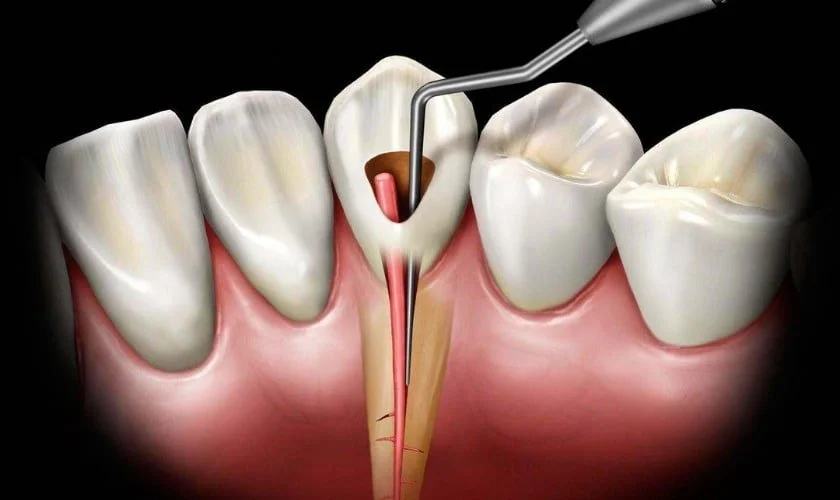
A root canal treatment is a dental procedure that saves a tooth with infected or damaged pulp. It removes infection, cleans the canals, and seals the tooth, preventing tooth loss.

Patients in Sydney choose root canal treatment to relieve severe pain, swelling, and infection while keeping their natural teeth.

Signs You Might Need a Root Canal

  • Severe toothache, especially when chewing

  • Sensitivity to hot or cold

  • Swollen gums or abscess near the tooth

  • Darkening or discoloration of the tooth

  • Persistent pain after trauma

Step-by-Step Root Canal Procedure

1. Diagnosis & X-Rays

Your dentist examines the tooth and takes X-rays to identify the infection.

2. Local Anaesthesia

The area is numbed for a pain-free procedure.

3. Removing Infected Pulp

The infected tissue is removed from the tooth’s canals.

4. Cleaning & Shaping Canals

Canals are cleaned, disinfected, and shaped for filling.

5. Filling & Sealing

The canals are sealed to prevent future infection.

6. Restoration

A crown or filling restores the tooth’s strength and appearance.

How Much Does a Root Canal Cost in Australia?

  • Single-root tooth: $800–$1,500

  • Multi-root tooth: $1,200–$2,500

  • Final crown may cost additional $800–$2,000

Costs vary based on tooth complexity, dentist experience, and location.

Pain and Recovery

Modern root canal treatments are virtually painless. Post-procedure soreness usually lasts 1–2 days. Proper care ensures long-term tooth health.

Tips for After Root Canal Treatment

  • Avoid chewing on treated tooth until fully restored

  • Maintain good oral hygiene

  • Attend follow-up appointments

  • Report unusual swelling or pain promptly

Final Thoughts

Root canal treatment is a safe, effective way to save an infected tooth and relieve pain. Don’t wait—consult a dentist in Sydney if you experience severe tooth pain, swelling, or infection.