PBM Laser Therapy for TMJ Management – Non-Invasive Jaw Pain Relief

What Is TMJ Disorder?

TMJ (temporomandibular joint) disorder affects the jaw joint and surrounding muscles. Symptoms include:

  • Jaw pain or stiffness

  • Clicking, popping, or locking of the jaw

  • Headaches, facial pain, or earaches

  • Teeth grinding (bruxism)

TMJ disorders can result from stress, clenching, bite misalignment, or injury.

What Is PBM Laser Therapy?

Photobiomodulation (PBM) laser therapy, also called low-level laser therapy (LLLT), uses low-intensity lasers to reduce inflammation, relieve pain, and promote tissue healing.

It is a non-invasive, drug-free alternative for managing TMJ symptoms.

How PBM Laser Helps TMJ Pain

  • Reduces inflammation in jaw muscles and joint

  • Relieves chronic jaw pain and tension

  • Improves jaw mobility and function

  • Enhances healing of soft tissues

  • Complementary to night guards or Botox therapy

Who Can Benefit from PBM Laser Therapy?

  • Patients with chronic jaw pain or stiffness

  • Those experiencing clicking or locking of the jaw

  • Teeth grinders (bruxism)

  • Individuals seeking non-surgical, drug-free treatment

  • Patients unresponsive to conventional therapies

The PBM Laser Procedure

  1. Assessment of TMJ and surrounding muscles

  2. Targeted laser application to inflamed areas

  3. Each session typically lasts 10–20 minutes

  4. Multiple sessions may be required for optimal results

  5. Painless, with minimal side effects and no downtime

Advantages of PBM Laser Therapy

  • Non-invasive and safe

  • Pain-free and quick procedure

  • Reduces need for medications or surgery

  • Promotes tissue repair and long-term TMJ health

  • Can be combined with other TMJ treatments (night guards, Botox, physiotherapy)

Complementary TMJ Management Strategies

  • Custom night guards to prevent clenching

  • Botox injections for overactive jaw muscles

  • Jaw exercises and physical therapy

  • Stress management techniques

Final Thoughts

PBM laser therapy is an innovative, non-invasive approach to managing TMJ pain and dysfunction. Patients in Sydney experiencing jaw pain, stiffness, or bruxism can benefit from a personalized PBM laser plan to restore comfort, mobility, and overall quality of life.

Bruxism: Causes, Symptoms, and Effects on Your Health

What Is Bruxism?

Bruxism is the involuntary grinding or clenching of teeth, often occurring during sleep (sleep bruxism) or while awake (awake bruxism). It can damage teeth, cause jaw pain, and affect overall oral health.

Patients in Sydney commonly seek treatment for bruxism after noticing worn teeth, headaches, or jaw discomfort.

Causes of Bruxism

  1. Stress and Anxiety

  • Emotional stress can trigger jaw clenching, often during sleep.

  1. Sleep Disorders

  • Sleep apnea and other sleep disturbances increase grinding risk.

  1. Abnormal Bite or Misaligned Teeth

  • Uneven teeth can force the jaw muscles to overwork.

  1. Medications & Stimulants

  • Certain antidepressants, caffeine, and nicotine may worsen bruxism.

  1. Lifestyle Factors

  • Alcohol use and recreational drugs may contribute.

Signs and Symptoms

  • Worn, chipped, or cracked teeth

  • Morning jaw pain or stiffness

  • Headaches, earaches, or neck pain

  • Tooth sensitivity

  • Jaw clicking or popping

  • Sleep disturbance for self or partner

Early recognition is key to preventing permanent dental damage.

Effects of Untreated Bruxism

1. Tooth Damage

  • Chipped, cracked, or flattened teeth

  • Increased sensitivity

  • Higher risk of decay and dental restorations

2. Jaw and TMJ Problems

  • Muscle fatigue and pain

  • Temporomandibular joint (TMJ) disorders

  • Difficulty opening or closing the mouth

3. Sleep Disturbances

  • Disrupted sleep quality for both patient and partner

  • Daytime fatigue

4. Headaches & Facial Pain

  • Chronic tension headaches

  • Pain radiating to ears, neck, and shoulders

Diagnosis and Treatment

Diagnosis

  • Clinical dental examination

  • Bite analysis

  • Sleep study if sleep bruxism is suspected

Treatment Options

  • Night guards or splints to protect teeth

  • Stress management (meditation, therapy)

  • Botox for severe jaw muscle tension

  • Bite correction or orthodontics

  • Lifestyle modifications (reduce caffeine/alcohol)

Preventing Bruxism

  • Manage stress with exercise or mindfulness

  • Avoid stimulants in the evening

  • Wear a custom night guard

  • Regular dental check-ups for early detection

Final Thoughts

Bruxism may seem harmless at first, but untreated teeth grinding can lead to serious dental, jaw, and sleep issues. Early intervention, stress management, and protective devices can save teeth, relieve jaw pain, and improve overall quality of life.

Gum Disease and Its Holistic Effects: What Patients Need to Know

What Is Gum Disease?

Gum disease, or periodontal disease, is an infection of the gums and supporting structures of the teeth. It starts as gingivitis (mild inflammation) and can progress to periodontitis, causing tissue and bone loss.

Early detection is critical to prevent tooth loss and maintain overall health.

Signs and Symptoms

  • Red, swollen, or bleeding gums

  • Persistent bad breath

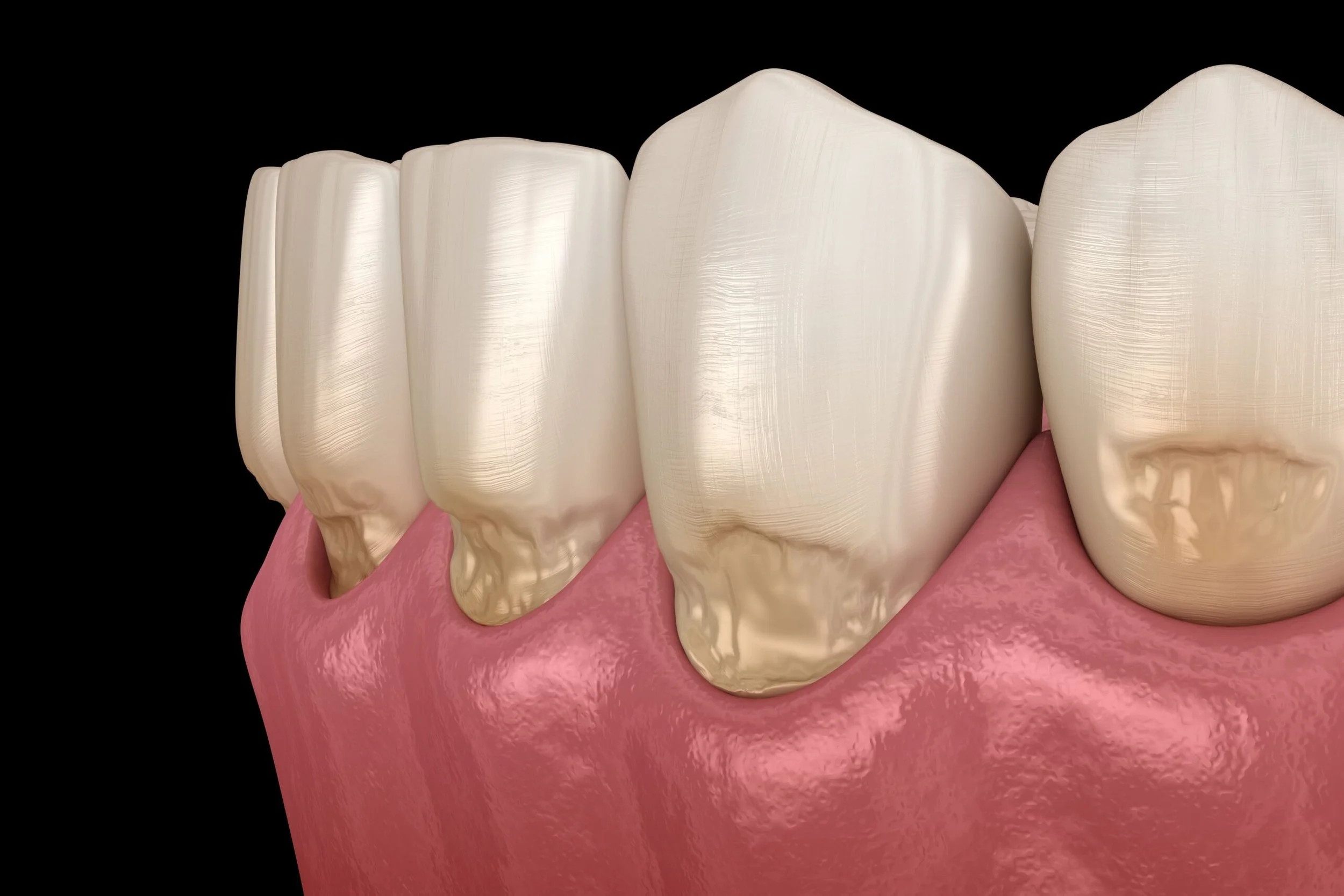
  • Receding gums

  • Loose or shifting teeth

  • Pain while chewing

Patients in Sydney should watch for these signs and visit a dentist promptly.

Causes of Gum Disease

  • Poor oral hygiene

  • Smoking or tobacco use

  • Genetic predisposition

  • Hormonal changes (pregnancy, menopause)

  • Diabetes and other systemic conditions

Holistic Effects of Gum Disease

Gum disease is not just a dental problem—it affects overall health:

1. Cardiovascular Health

  • Chronic inflammation from gum disease can increase the risk of heart disease, stroke, and high blood pressure.

2. Diabetes Management

  • Gum disease can make blood sugar harder to control, worsening diabetes.

3. Pregnancy Complications

  • Periodontitis may contribute to preterm birth and low birth weight.

4. Respiratory Health

  • Bacteria from infected gums can travel to the lungs, potentially worsening pneumonia or chronic respiratory disease.

5. Mental Health & Quality of Life

  • Chronic pain, tooth loss, and aesthetic concerns can lead to stress, low self-esteem, and social anxiety.

Prevention and Treatment

Prevention Tips

  • Brush twice daily and floss

  • Regular dental check-ups and cleanings

  • Quit smoking or tobacco use

  • Maintain a balanced diet rich in vitamins

  • Manage chronic conditions like diabetes

Treatment Options

  • Professional cleaning (scaling and root planing)

  • Antibiotic therapy for infection

  • Periodontal surgery in advanced cases

  • Laser therapy for targeted gum treatment

Final Thoughts

Gum disease is more than a dental issue—it’s a systemic health concern. Maintaining good oral hygiene and regular dental visits can prevent serious complications and improve overall health. Patients in Sydney should take gum health seriously to protect both their smile and their body.