
Understanding Child Myobrace: A Gentle Approach to Growing Healthy Smiles

When it comes to children’s dental health, many parents assume braces are the only solution for crooked teeth or bite issues. But what if there were a more natural, early-intervention approach that could guide proper jaw development and potentially reduce the need for braces later on? That’s where Myobrace comes in.

What Is Myobrace?

Myobrace is a preventive orthodontic system designed specifically for children, typically between the ages of 3 and 15. Instead of focusing solely on straightening teeth, Myobrace addresses the underlying causes of misaligned teeth—often related to poor oral habits and improper muscle function.

These habits may include:

  • Mouth breathing

  • Incorrect tongue posture

  • Thumb sucking

  • Tongue thrusting

  • Reverse swallowing patterns

Myobrace uses a series of removable appliances worn for a few hours during the day and overnight, combined with simple daily exercises to retrain oral muscles.

How Does Myobrace Work?

Unlike traditional braces that apply constant pressure to move teeth, Myobrace works by:

  1. Encouraging nasal breathing

  2. Training the tongue to rest in the correct position

  3. Improving swallowing patterns

  4. Supporting natural jaw development

By correcting these foundational issues early, the teeth often begin to align more naturally as the child grows.

Key Benefits of Myobrace for Children

1. Addresses Root Causes, Not Just Symptoms

Traditional orthodontics often focuses on straightening teeth after problems have developed. Myobrace targets the habits and muscle dysfunctions that cause those problems in the first place.

2. Promotes Natural Jaw Development

Proper jaw growth is essential for healthy tooth alignment. Myobrace helps guide the development of the upper and lower jaws, creating more space for incoming teeth.

3. May Reduce or Eliminate the Need for Braces

While not guaranteed, many children who complete a Myobrace program require less extensive orthodontic treatment later—or none at all.

4. Non-Invasive and Removable

Myobrace appliances are soft, removable, and generally more comfortable than fixed braces. Kids can take them out while eating or brushing, making oral hygiene easier.

5. Improves Overall Health

Correcting breathing patterns—especially shifting from mouth breathing to nasal breathing—can have broader health benefits, including:

  • Better sleep quality

  • Improved concentration

  • Reduced risk of airway-related issues

6. Builds Healthy Habits Early

The program includes simple exercises that help children become more aware of their oral posture and habits, setting them up for long-term oral health.

When Should a Child Start Myobrace?

Early intervention is key. Children as young as 3 can begin certain stages of Myobrace, but the ideal starting age is usually between 5 and 8—when the jaw is still developing and habits are easier to correct.

What to Expect from Treatment

A typical Myobrace program involves:

  • Wearing the appliance 1–2 hours during the day plus overnight

  • Performing daily exercises (often just a few minutes)

  • Regular check-ups with a trained dental professional

Consistency is crucial. Since the appliance is removable, success depends on how well the child follows the routine.

Is Myobrace Right for Your Child?

Myobrace can be a great option for children showing early signs of orthodontic issues or poor oral habits. However, every child is different. A consultation with a dental professional trained in myofunctional orthodontics can help determine the best approach.

Final Thoughts

Myobrace represents a shift in how we think about orthodontic care—moving from reactive treatment to proactive prevention. By focusing on healthy habits, proper breathing, and natural development, it offers children a gentler path toward a confident, healthy smile.

If you’re exploring early orthodontic options for your child, Myobrace is certainly worth considering.

Give us a call or text at (02) 9558 8988 or visit us at www.painfreedentistsydney.com.au to book your child’s appointment with us!

Conquering Dental Anxiety with Sedation Dentistry: Your Guide to Stress-Free Visits

Introduction

For many people, even a routine dental checkup can cause sweaty palms, racing heart, and fear. This fear, known as dental anxiety, prevents millions from seeking proper oral care. Fortunately, sedation dentistry offers a safe, effective way to overcome fear and enjoy stress-free dental visits.

What Is Dental Anxiety?

Dental anxiety is more than just nervousness—it’s a real psychological response to perceived pain, discomfort, or past negative experiences at the dentist. Symptoms can include:

  • Rapid heartbeat

  • Sweating

  • Nausea

  • Avoidance of dental appointments

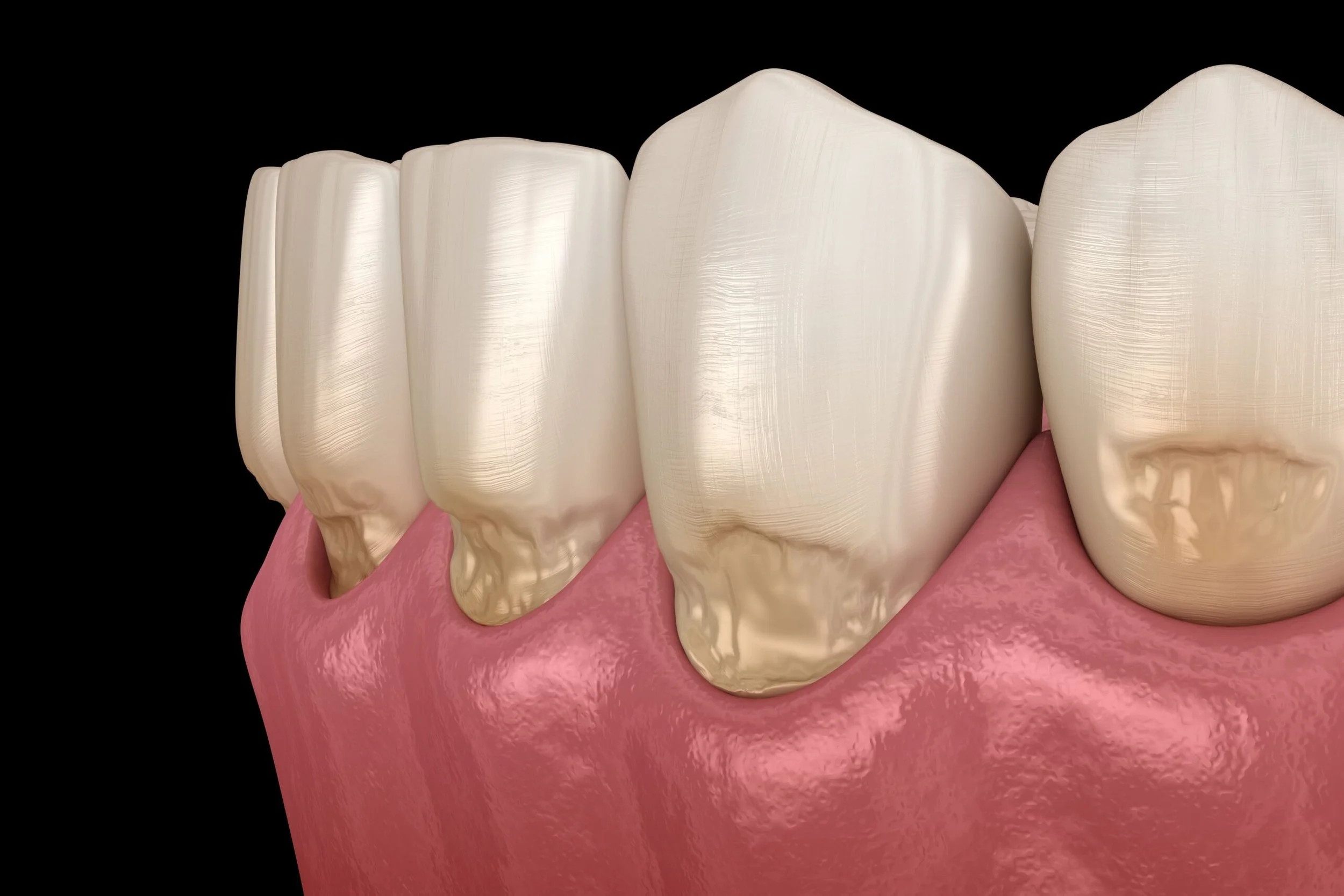
Left unaddressed, dental anxiety can lead to untreated oral health issues, including cavities, gum disease, and tooth loss.

How Sedation Dentistry Helps

Sedation dentistry uses medications to help patients relax during procedures. It doesn’t eliminate consciousness completely (except in general anesthesia) but makes the experience calm, comfortable, and manageable.

Common Sedation Options

  1. Nitrous Oxide (Laughing Gas)

    • Quick-acting, mild relaxation

    • Patient remains awake and responsive

    • Effects wear off quickly after the procedure

  2. Oral Sedation

    • Taken as a pill before treatment

    • Provides moderate relaxation, sometimes making patients drowsy

    • Ideal for patients with mild to moderate dental anxiety

  3. IV Sedation

    • Administered through a vein

    • Provides deeper relaxation for longer procedures

    • Adjustable to patient needs

  4. General Anesthesia

    • Patient is completely unconscious

    • Usually reserved for extensive procedures or severe dental phobia

Benefits of Sedation for Dental Anxiety

  • Reduces Fear and Stress: Makes dental visits calm and manageable

  • Minimizes Pain Perception: Comfort is greatly enhanced

  • Efficient Treatment: Multiple procedures can be completed in one visit

  • Safe and Monitored: Administered by trained dental professionals

Who Can Benefit?

  • Patients with severe dental phobia

  • Individuals who avoid the dentist due to anxiety

  • Those undergoing complex or lengthy procedures

  • People with sensitive teeth or strong gag reflex

Tips for Managing Dental Anxiety

  1. Communicate With Your Dentist: Share your fears openly.

  2. Ask About Sedation Options: Find the right level of relaxation for you.

  3. Bring a Support Person: Having a friend can ease nerves.

  4. Practice Relaxation Techniques: Deep breathing or meditation can help.

Conclusion

Dental anxiety doesn’t have to stop you from achieving a healthy smile. With sedation dentistry, patients can experience stress-free, comfortable, and even painless dental visits. Whether it’s a simple cleaning or a more complex procedure, sedation options ensure your comfort, safety, and peace of mind.

All on 6 Dental Implants Under Sedation: A Stress-Free Smile Transformation

Introduction

Getting 6 dental implants can be a life-changing solution for missing teeth, restoring your smile, function, and confidence. However, the thought of multiple dental surgeries can make anyone anxious. That’s where sedation dentistry comes in. By combining dental implants with sedation, patients experience a calm, comfortable, and virtually pain-free procedure.

What Are Dental Implants?

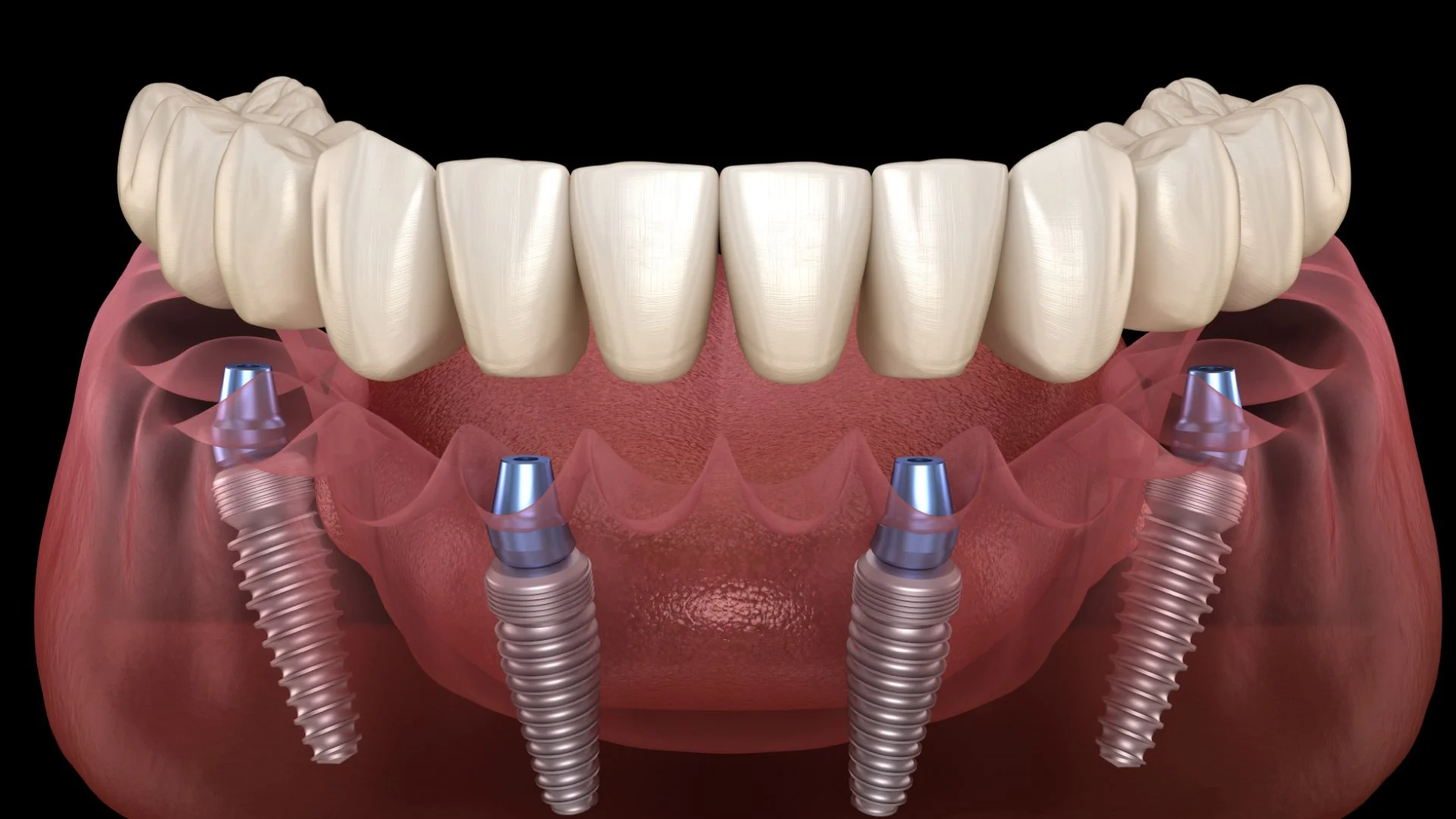
Dental implants are titanium posts surgically placed into the jawbone to replace missing teeth. They act as artificial tooth roots, supporting crowns, bridges, or dentures. When done under sedation, the process becomes significantly less stressful, especially for patients undergoing multiple implants, like 6 teeth at once.

Why Sedation Is Ideal for 6 Implants

  • Reduces Anxiety: Multiple implants can be overwhelming, but sedation keeps you relaxed.

  • Minimizes Discomfort: Pain is greatly reduced with sedatives and local anesthesia.

  • Efficiency: All 6 implants can be placed in fewer sessions.

  • Controlled Environment: Dentists can focus on precision without patient movement.

Types of Sedation for Multiple Implants

  1. Oral Sedation – A pill taken before the procedure, giving moderate relaxation.

  2. IV Sedation – Administered intravenously for deep sedation, ideal for complex implant surgeries.

  3. Nitrous Oxide (Laughing Gas) – Light sedation for patients with mild anxiety; often combined with local anesthesia.

  4. General Anesthesia – Reserved for extensive cases or patients with severe dental phobia.

The Procedure for 6 Dental Implants Under Sedation

  1. Consultation & Planning: 3D scans and jaw assessments ensure precise implant placement.

  2. Sedation Administration: The dentist administers your chosen sedation for comfort.

  3. Implant Placement: Titanium posts are surgically inserted into the jawbone.

  4. Healing Period: Osseointegration (bone bonding) takes a few months.

  5. Final Restoration: Crowns, bridges, or dentures are attached to the implants.

Recovery Tips After 6 Implants

  • Follow Post-Op Instructions: Take prescribed medications and avoid hard foods.

  • Maintain Oral Hygiene: Gentle brushing and rinsing prevent infection.

  • Rest & Hydrate: Allow your body to heal properly.

  • Follow-Up Visits: Regular check-ins ensure successful implant integration.

Benefits of Sedation for Multiple Implants

  • Stress-free, anxiety-free experience

  • Reduced perception of pain

  • Ability to complete multiple implants in a single session

  • Faster, smoother dental visits

Conclusion

Getting 6 dental implants under sedation is a smart solution for anyone seeking a complete smile restoration without stress or discomfort. Sedation dentistry ensures that your dental experience is calm, safe, and highly efficient, letting you leave the clinic with a confident, functional smile.