Emergency Dentist in Sydney: What to Do (2026 Guide)

Dental emergencies can happen at any time—whether it’s a sudden toothache, a broken tooth, or an accident. Knowing what to do and when to see an emergency dentist in Sydney can help you save your tooth and avoid serious complications.

🚨 What Is a Dental Emergency?

A dental emergency is any issue involving your teeth, gums, or mouth that requires immediate attention. Ignoring it can lead to infection, permanent damage, or more costly treatment later.

⚠️ Common Dental Emergencies

😖 Severe Toothache

Persistent or intense pain may indicate decay, infection, or nerve damage.

What to do:

  • Rinse your mouth with warm salt water

  • Take over-the-counter pain relief

  • Avoid chewing on that side

  • See a dentist urgently

🦷 Knocked-Out Tooth (Avulsed Tooth)

This is one of the most urgent dental emergencies.

What to do:

  • Pick up the tooth by the crown (not the root)

  • Rinse gently if dirty (don’t scrub)

  • Try to place it back in the socket

  • If not possible, store it in milk

  • See a dentist within 30–60 minutes

🪥 Broken or Chipped Tooth

Can cause pain and sensitivity depending on severity.

What to do:

  • Rinse your mouth

  • Save any broken pieces

  • Use dental wax if sharp edges are present

  • Book an emergency appointment

🩸 Bleeding Gums or Injury

Uncontrolled bleeding after trauma or dental work needs urgent care.

What to do:

  • Apply gentle pressure with gauze

  • Use a cold compress to reduce swelling

  • Seek immediate dental help

😷 Dental Abscess (Infection)

A serious condition that can spread if untreated.

Signs include:

  • Swelling in face or jaw

  • Fever

  • Bad taste in mouth

  • Pus around gums

What to do:

  • Rinse with salt water

  • Do not ignore it

  • Visit a dentist immediately

⏱️ When Should You See an Emergency Dentist?

You should contact an emergency dentist in Sydney immediately if you have:

  • Severe or worsening pain

  • Swelling in your face or jaw

  • A knocked-out or loose tooth

  • Signs of infection (fever, pus)

  • Bleeding that won’t stop

📍 How to Find an Emergency Dentist in Sydney

Look for clinics that offer:

  • Same-day appointments

  • After-hours or weekend services

  • Experienced emergency dental care

Search terms like:

  • “emergency dentist Sydney near me”

  • “24 hour dentist Sydney”

  • “urgent dental care Sydney”

💡 How to Prevent Dental Emergencies

While not all emergencies can be avoided, you can reduce your risk by:

  • Visiting your dentist regularly

  • Wearing a mouthguard during sports

  • Avoiding chewing hard objects (ice, pens)

  • Treating dental issues early

❓ FAQs

Can I go to the hospital for a dental emergency?
Hospitals can help with severe infections or trauma, but dentists are best for tooth-related issues.

Is a toothache an emergency?
If the pain is severe or persistent, yes—it could indicate infection.

📞 Need an Emergency Dentist in Sydney?

If you’re experiencing a dental emergency, don’t wait. Early treatment can save your tooth and prevent serious complications.

👉 At Pain Free Dentist Sydney, we offer fast, gentle, and same-day emergency dental care to get you out of pain quickly.

Call us today: (02) 9558 8988
Email: info@painfreedentistsydney.com.au
Or book online to secure your appointment instantly.

Crowns, Veneers, and Cosmetic Dentistry: What You Need to Know Before Transforming Your Smile

A confident smile can change how you feel about yourself—and how others perceive you. Modern cosmetic dentistry offers a range of treatments designed to improve the appearance, function, and health of your teeth. Among the most popular options are dental crowns and veneers. While they’re often mentioned together, they serve different purposes and suit different needs.

Let’s break down what they are, how they work, and how to decide which option might be right for you.

What Is Cosmetic Dentistry?

Cosmetic dentistry focuses on improving the look of your teeth, gums, and overall smile. While many procedures also restore function, the primary goal is aesthetic enhancement—whiter teeth, better alignment, and a more balanced appearance.

Common cosmetic treatments include:

  • Teeth whitening

  • Dental veneers

  • Dental crowns

  • Bonding

  • Orthodontics (like clear aligners)

Dental Crowns: Strength Meets Aesthetics

A dental crown is essentially a “cap” placed over a damaged or weakened tooth. It restores the tooth’s shape, size, strength, and appearance.

When Are Crowns Used?

Crowns are typically recommended when a tooth is:

  • Severely decayed

  • Cracked or broken

  • Worn down

  • Treated with a root canal

  • Structurally compromised

Materials

Crowns can be made from:

  • Porcelain or ceramic (natural-looking)

  • Metal alloys (very durable)

  • Porcelain-fused-to-metal (a balance of strength and aesthetics)

Pros

  • Strong and long-lasting

  • Restores function as well as appearance

  • Protects damaged teeth

Cons

  • Requires significant reshaping of the natural tooth

  • More invasive than veneers

Dental Veneers: Aesthetic Perfection

Veneers are thin shells—usually made of porcelain or composite resin—bonded to the front surface of your teeth. They are primarily used for cosmetic improvements.

What Can Veneers Fix?

Veneers are ideal for correcting:

  • Discoloration or staining

  • Minor misalignment

  • Chips or cracks

  • Gaps between teeth

  • Uneven or worn edges

Pros

  • Natural, highly aesthetic appearance

  • Minimally invasive compared to crowns

  • Resistant to staining (especially porcelain veneers)

Cons

  • Not suitable for severely damaged teeth

  • Typically irreversible (a small amount of enamel is removed)

  • Can be costly, especially for multiple teeth

Crowns vs. Veneers: Key Differences

While both improve the look of your teeth, the main difference lies in coverage and purpose:

  • Crowns cover the entire tooth and are used when strength and protection are needed.

  • Veneers cover only the front surface and are mainly for cosmetic enhancement.

If your tooth is structurally sound but aesthetically imperfect, veneers may be the better choice. If the tooth is damaged or weakened, a crown is usually more appropriate.

Choosing the Right Option

The best treatment depends on several factors:

  • The condition of your teeth

  • Your aesthetic goals

  • Your budget

  • Your dentist’s recommendation

A thorough consultation—including X-rays and a smile assessment—will help determine the most suitable approach.

Final Thoughts

Cosmetic dentistry has come a long way, offering solutions that are both functional and beautiful. Whether you choose crowns, veneers, or another treatment, the goal is the same: a healthy, confident smile that lasts.

Before making a decision, take the time to understand your options and ask questions. A well-informed choice will ensure results that not only look great but also stand the test of time.

Give us a call at (02) 9558 8988 or go to www.painfreedentistsydney.com.au to book your consultation appointment today!

Abfraction from Bruxism: Why Your Teeth May Be Wearing Away at the Gumline

If you’ve noticed small notches near the base of your teeth or increased sensitivity, it might not be cavities—it could be abfraction. This type of tooth damage is often linked to long-term teeth grinding, also known as bruxism.

Understanding the connection between grinding forces and tooth structure is key to preventing further damage.

What Is Abfraction?

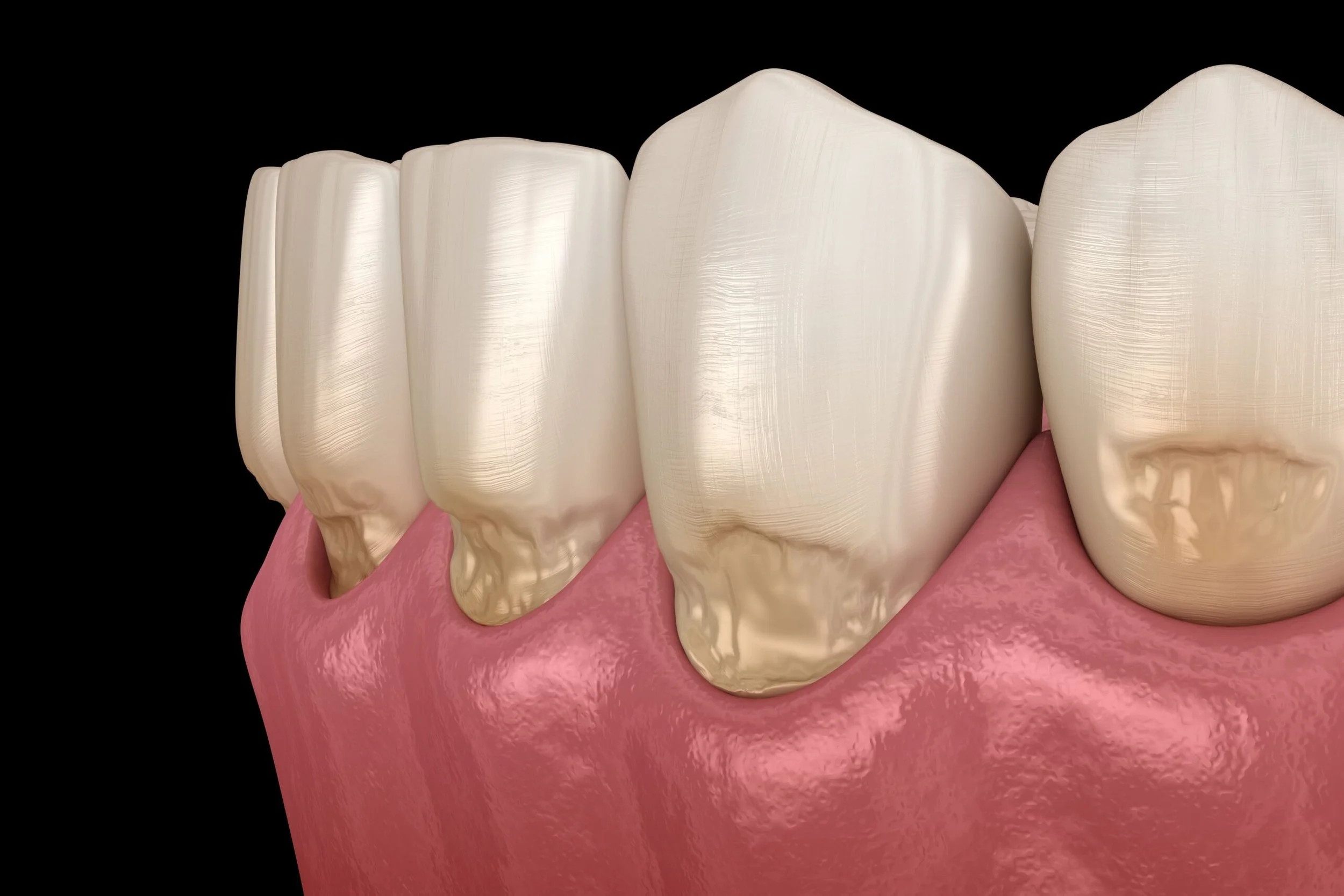
Abfraction Lesions are wedge-shaped defects that form near the gumline of teeth. Unlike decay caused by bacteria, abfraction is caused by mechanical stress—usually from excessive biting or grinding forces.

Over time, this repeated stress causes the enamel and dentin to flex and break down in one specific area.

How Bruxism Causes Abfraction

Bruxism places abnormal pressure on teeth, especially during sleep when grinding and clenching often go unnoticed.

This force can:

  • Concentrate stress at the gumline

  • Cause enamel micro-fractures

  • Gradually wear away tooth structure

  • Lead to V-shaped notches near the gums

Unlike normal wear from chewing, bruxism applies sideways and excessive pressure, which is especially damaging.

Signs You May Have Abfraction

Common symptoms include:

  • Notches or grooves near the gumline

  • Tooth sensitivity to cold or brushing

  • Gum recession around affected teeth

  • Sharp edges on tooth surfaces

  • Discomfort when biting

These lesions often develop slowly, so regular dental check-ups are important.

Why Abfraction Shouldn’t Be Ignored

If left untreated, abfraction can lead to:

  • Increased tooth sensitivity

  • Further enamel loss

  • Weakened tooth structure

  • Higher risk of cracks or fractures

  • Gum irritation and recession

Early treatment helps preserve both function and appearance.

Treatment Options for Abfraction

1. Night Guard Therapy

A custom mouthguard reduces grinding forces while you sleep, protecting teeth from further damage.

2. Dental Bonding

Tooth-colored composite material can restore lost structure and reduce sensitivity.

3. Bite Adjustment

In some cases, dentists may adjust the bite to reduce uneven pressure on teeth.

4. Bruxism Management

Stress reduction, lifestyle changes, or treatment for sleep disorders may help reduce grinding.

Preventing Further Damage

To protect your teeth from worsening abfraction:

  • Wear a night guard if you grind your teeth

  • Avoid excessive pressure when brushing

  • Manage stress levels

  • Limit caffeine and alcohol before bed

  • Visit your dentist regularly

Abfraction vs Tooth Decay

FeatureAbfractionTooth DecayCauseMechanical stress (grinding)Bacterial acidLocationGumlineAnywhere on toothAppearanceV-shaped notchCavities/holesTreatmentBonding, night guardFillings, decay removal

Final Thoughts

Abfraction caused by bruxism is often overlooked, but it can lead to long-term damage if not addressed. The good news is that with early diagnosis and proper treatment, you can protect your teeth and prevent further wear.

Take Action Early

If you notice sensitivity or notches near your gumline, it’s worth seeing a dentist. Managing bruxism early can make a big difference in preserving your smile.