IV Sedation for Dental Procedures: A Calm, Stress-Free Dental Experience

Dental anxiety is more common than many people think. If the idea of sitting in a dental chair makes you nervous, IV sedation dentistry may be the solution you’ve been looking for. It allows patients to undergo treatments in a deeply relaxed, stress-free state while still receiving safe and effective care.

What Is IV Sedation Dentistry?

Intravenous Sedation Dentistry is a technique where sedative medication is delivered directly into the bloodstream through a small IV line. This helps patients feel calm, drowsy, and often unaware of the procedure taking place.

Unlike general anesthesia, you are usually still conscious—but in a deeply relaxed state.

How IV Sedation Works

Here’s what typically happens during the process:

  1. A small IV is placed in your arm or hand

  2. Sedative medication is slowly administered

  3. You begin to feel relaxed and sleepy within minutes

  4. Your dentist performs the procedure while you remain comfortable

  5. Most patients have little or no memory of the treatment

What Dental Procedures Use IV Sedation?

IV sedation can be used for a wide range of treatments, including:

  • Tooth extractions (including wisdom teeth removal)

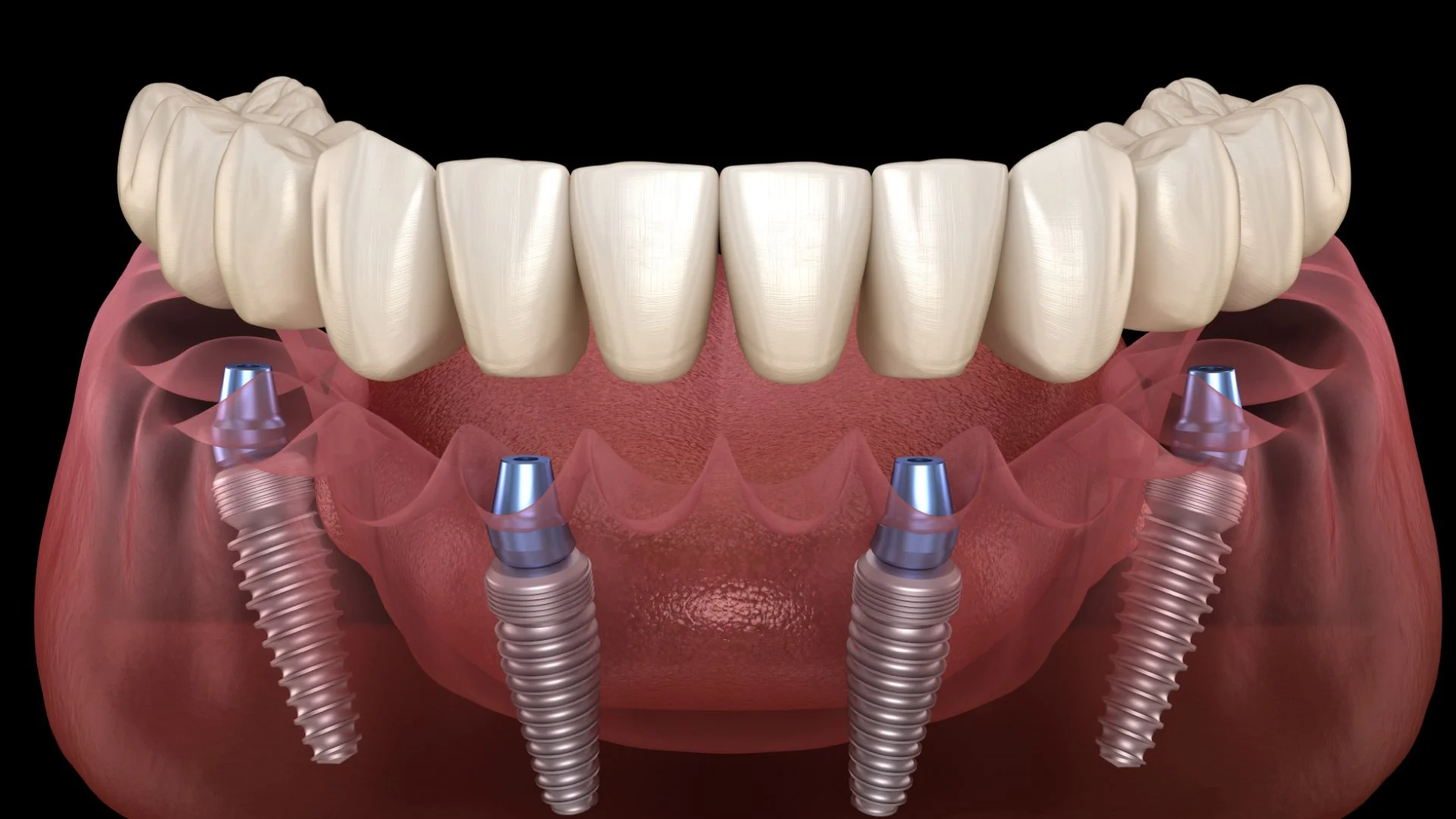
  • Dental implant placement

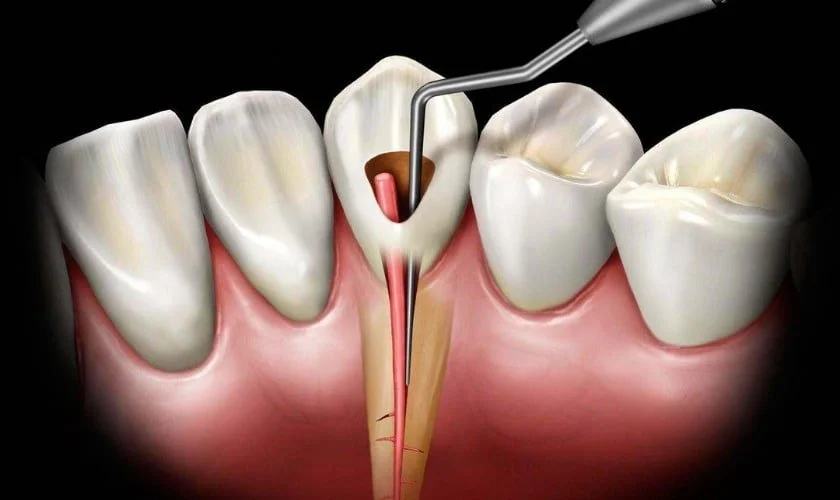
  • Root canal therapy

  • Multiple fillings or crowns

  • Full-mouth rehabilitation

  • Treatment for severe dental anxiety

Benefits of IV Sedation Dentistry

1. Reduced Anxiety and Fear

Patients feel calm and relaxed, making dental visits much easier.

2. Pain-Free Experience

You are unlikely to feel discomfort during the procedure.

3. Faster Treatment Completion

Dentists can often complete multiple procedures in one visit.

4. Minimal Memory of the Procedure

Many patients remember very little or nothing afterward.

5. Suitable for Complex Dental Work

Ideal for longer or more involved treatments.

Who Is a Good Candidate?

You may benefit from IV sedation if you:

  • Experience severe dental anxiety or phobia

  • Have a strong gag reflex

  • Require extensive dental treatment

  • Have difficulty sitting still for long procedures

  • Had traumatic dental experiences in the past

A dental assessment is required to ensure it is safe for you.

Safety of IV Sedation

IV sedation is considered very safe when administered by trained professionals. During the procedure, your vital signs—such as heart rate, oxygen levels, and blood pressure—are closely monitored.

However, you will need someone to drive you home afterward, as the effects take time to wear off.

Recovery After IV Sedation

Most patients feel groggy for a few hours after treatment. It’s recommended to:

  • Rest for the remainder of the day

  • Avoid driving or operating machinery

  • Drink fluids and eat light meals

  • Follow all post-procedure instructions

Normal activities can usually be resumed the next day.

IV Sedation vs Other Sedation Options

  • Nitrous oxide (laughing gas): Mild relaxation, wears off quickly

  • Oral sedation: Taken as a pill, moderate relaxation

  • IV sedation: Stronger, faster-acting, and more controlled

Final Thoughts

IV sedation dentistry has transformed the way patients experience dental care. It allows even the most anxious individuals to receive necessary treatment in a calm and comfortable environment, without fear or stress.

Take the Next Step

If dental anxiety has been holding you back, ask your dentist about IV sedation options. A comfortable, pain-free dental experience may be easier than you think.

Botox for TMJ Pain: A Modern Solution for Jaw Tension and Discomfort

If you suffer from jaw pain, headaches, or difficulty chewing, you may be dealing with TMJ disorder—short for temporomandibular joint disorder. One increasingly popular treatment option is Botox injections, which can help relieve muscle tension and reduce pain.

What Is TMJ Disorder?

Temporomandibular Joint Disorder affects the jaw joint and surrounding muscles. It can cause:

  • Jaw pain or tenderness

  • Clicking or popping sounds

  • Headaches or ear pain

  • Difficulty opening or closing the mouth

  • Facial muscle tightness

One of the most common causes is excessive jaw muscle activity, often from clenching or grinding.

How Botox Helps TMJ Pain

Botox (botulinum toxin) works by temporarily relaxing overactive jaw muscles. When injected into specific areas, it reduces muscle contractions that contribute to pain and tension.

This can help:

  • Relieve jaw clenching and grinding

  • Reduce tension headaches

  • Improve jaw mobility

  • Decrease facial muscle soreness

What to Expect During Treatment

The procedure is quick and minimally invasive:

  1. Your dentist or specialist assesses your jaw muscles

  2. Small injections are placed in targeted areas

  3. The treatment takes about 10–20 minutes

  4. No downtime is usually required

Most patients begin noticing relief within a few days to two weeks.

How Long Does Botox for TMJ Last?

Results typically last 3 to 4 months, after which follow-up treatments may be needed. Over time, some patients notice reduced symptoms as muscle activity becomes better controlled.

Benefits of Botox for TMJ

  • Non-surgical treatment option

  • Fast procedure with minimal discomfort

  • Reduces pain and muscle tension

  • May help prevent teeth grinding damage

  • Improves quality of life

Are There Any Side Effects?

Botox for TMJ is generally safe when performed by a qualified professional. However, possible side effects may include:

  • Mild swelling or bruising at injection site

  • Temporary jaw weakness

  • Slight difficulty chewing (rare)

These effects usually resolve quickly.

Is Botox Right for You?

You may be a candidate if you:

  • Experience chronic jaw pain or clenching

  • Have not found relief from night guards or therapy

  • Suffer from frequent tension headaches

  • Want a non-surgical treatment option

A dental or medical evaluation is essential before starting treatment.

Final Thoughts

TMJ pain can significantly affect daily life, but modern treatments like Botox offer real relief for many patients. By relaxing overactive jaw muscles, it can reduce pain, improve function, and help you feel more comfortable again.

Take the Next Step

If you’re struggling with jaw tension or TMJ symptoms, speak with a qualified dental professional to see if Botox treatment is right for you.

Cracked Teeth from Grinding: Causes, Symptoms & How to Protect Your Smile

Do you wake up with jaw pain or sensitive teeth? You might be grinding your teeth at night—a condition known as bruxism. Over time, this habit can lead to cracked teeth, a serious dental issue that often goes unnoticed until it worsens.

Let’s break down why it happens, how to spot it early, and what you can do to protect your teeth.

What Is Teeth Grinding (Bruxism)?

Bruxism is the involuntary clenching or grinding of teeth, often during sleep. Many people don’t even realize they’re doing it until symptoms appear or a dentist detects signs of damage.

How Grinding Causes Cracked Teeth

When you grind your teeth, you apply excessive pressure—far more than normal chewing. This constant force can:

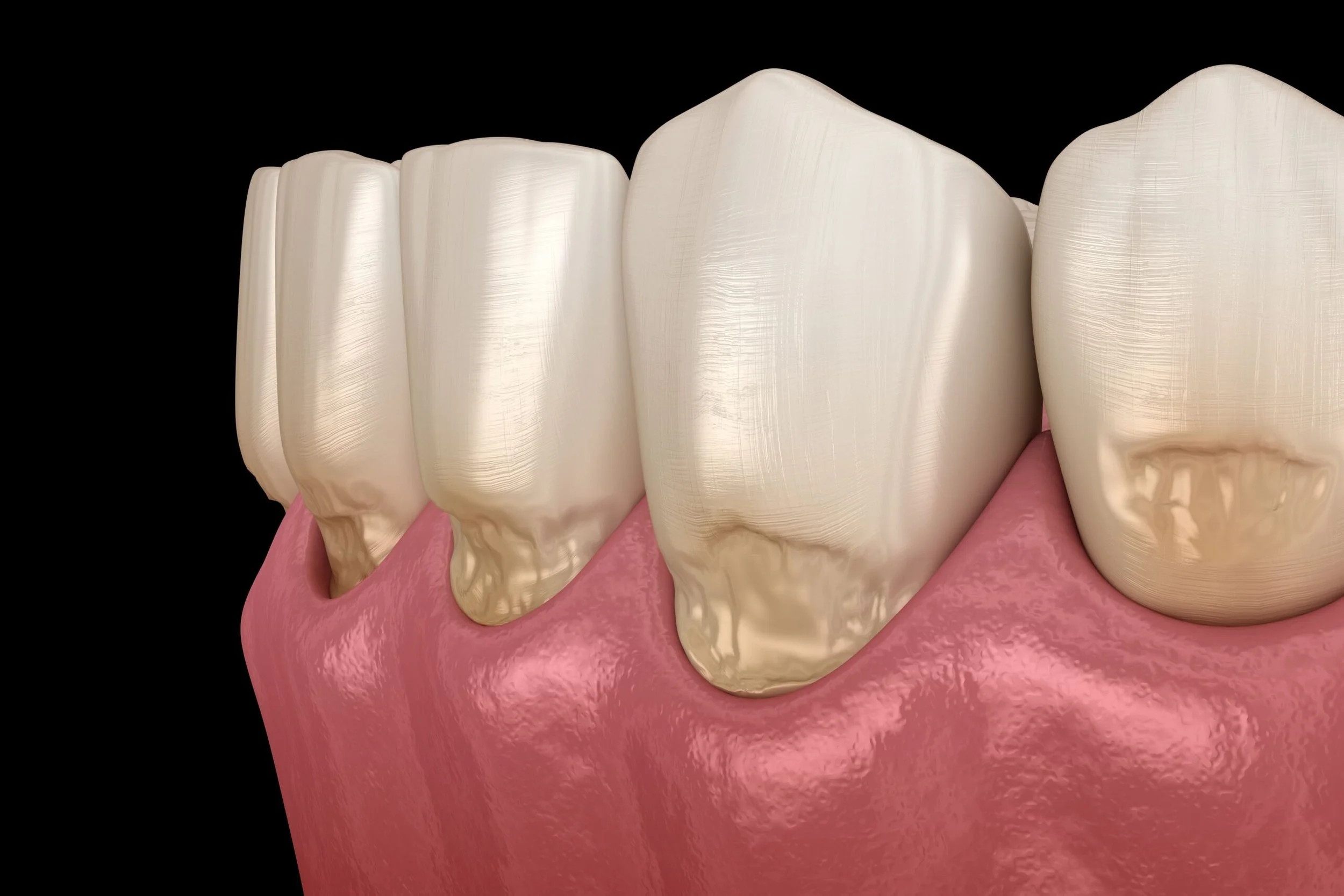
  • Wear down enamel

  • Create tiny fractures (hairline cracks)

  • Lead to deeper cracks over time

  • Weaken the overall tooth structure

Eventually, these cracks can worsen, causing pain or even tooth loss if left untreated.

Signs You May Have a Cracked Tooth

Cracked teeth aren’t always visible, but common symptoms include:

  • Sharp pain when biting or chewing

  • Sensitivity to hot, cold, or sweet foods

  • Intermittent discomfort (pain comes and goes)

  • Swelling around the affected tooth

  • A rough or uneven tooth surface

If you notice any of these symptoms, it’s important to see a dentist early.

Common Causes of Teeth Grinding

Bruxism can be triggered by several factors:

  • Stress and anxiety

  • Sleep disorders

  • Misaligned teeth (bite issues)

  • Caffeine or alcohol consumption

  • Certain medications

Identifying the cause helps guide effective treatment.

Treatment Options for Cracked Teeth

The right treatment depends on the severity of the crack:

1. Dental Bonding

For minor cracks, a tooth-colored resin can restore the tooth’s appearance and function.

2. Dental Crown

A crown covers and protects a damaged tooth, preventing further cracking.

3. Root Canal

If the crack reaches the pulp, this procedure removes infected tissue and saves the tooth.

4. Tooth Extraction

In severe cases where the tooth cannot be saved, removal may be necessary.

How to Prevent Cracked Teeth from Grinding

Prevention is key when it comes to bruxism:

Wear a Night Guard

A custom mouthguard protects your teeth while you sleep.

Manage Stress

Relaxation techniques like meditation or exercise can reduce grinding.

Avoid Hard Foods

Chewing ice or hard candies can worsen cracks.

Limit Caffeine & Alcohol

These can increase grinding, especially at night.

Regular Dental Check-Ups

Early detection can prevent minor cracks from becoming major problems.

Why Early Treatment Matters

Ignoring a cracked tooth can lead to:

  • Infection

  • Severe pain

  • Tooth loss

  • More expensive treatments later

The sooner you address the issue, the better your chances of saving the tooth.

Final Thoughts

Teeth grinding might seem harmless, but over time it can cause serious damage like cracked teeth. The good news? With early detection and the right care, you can protect your smile and avoid long-term complications.

Take the Next Step

If you suspect you’re grinding your teeth or have a cracked tooth, book a dental check-up. Protecting your teeth today can save you pain—and money—tomorrow.