Workers Compensation Dental Injury: How We Can Help You Recover Your Smile

A workplace accident can change everything in an instant — especially when it affects your teeth, jaw, or face. A workers compensation dental injury may cause pain, difficulty eating, jaw problems, and long-term dental complications if not treated properly.

The good news is that many dental injuries sustained at work are eligible for assessment and treatment under workers compensation, and timely dental care can make a major difference in your recovery.

What Is a Workers Compensation Dental Injury?

A dental injury at work can occur in many situations, including:

  • Falls or physical accidents on the job

  • Impact injuries to the face or jaw

  • Workplace vehicle accidents

  • Sports or training incidents during employment

  • Sudden trauma causing chipped, cracked, or knocked-out teeth

These injuries may affect not only your teeth, but also your jaw joints, bite alignment, and overall oral function.

Common symptoms include:

  • Broken, chipped, or lost teeth

  • Jaw pain or stiffness

  • Difficulty chewing or speaking

  • Tooth sensitivity or nerve pain

  • TMJ symptoms such as clicking or locking

  • Facial swelling or bruising

How Dental Injuries Can Affect Your Long-Term Health

Even if the injury seems minor at first, untreated dental trauma can lead to long-term complications such as:

  • Infection or nerve damage

  • Bite changes or misalignment

  • Chronic jaw pain or TMJ disorder

  • Ongoing headaches or facial tension

  • Tooth loss or structural damage

That’s why early assessment and treatment is essential after any workplace dental injury.

How We Can Help You

If you’ve experienced a work-related dental injury, our team is here to support you every step of the way — from diagnosis to treatment and recovery.

Comprehensive Dental Assessment

We carefully assess your teeth, gums, jaw, and bite to fully understand the extent of the injury. This includes checking for hidden damage that may not be immediately visible.

Emergency Dental Care

For urgent cases such as broken teeth, severe pain, or knocked-out teeth, we provide prompt treatment to stabilise your condition and relieve discomfort.

Restorative Dental Treatment

Depending on your needs, treatment may include:

  • Dental fillings or bonding

  • Crowns or bridges

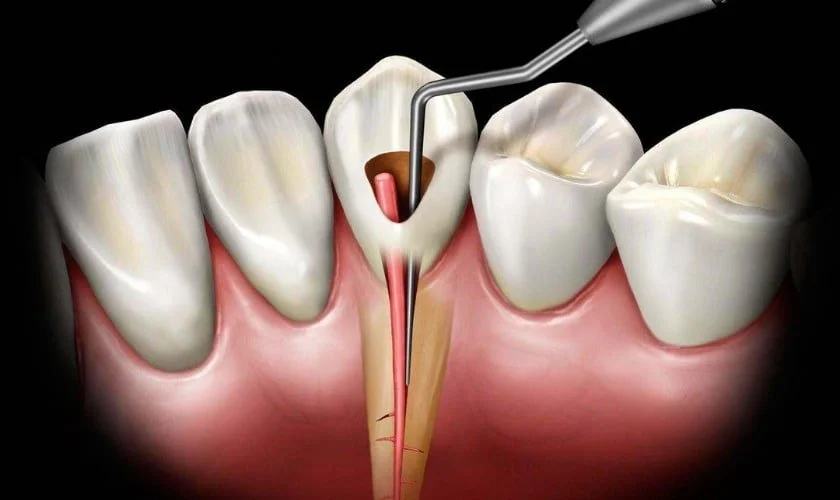
  • Root canal treatment

  • Tooth replacement options such as dental implants

  • Cosmetic restoration for chipped or damaged teeth

Our goal is to restore both function and appearance.

TMJ and Jaw Injury Management

Workplace trauma can also affect the jaw joint. If you are experiencing jaw pain, clicking, or difficulty opening your mouth, we assess and manage potential TMJ disorder caused by injury.

Workers Compensation Support

We provide detailed clinical documentation to support your workers compensation dental claim, including:

  • Injury assessment reports

  • Treatment plans

  • Progress notes

  • Ongoing care requirements

This helps ensure your treatment is properly recorded and supported for claims purposes.

Ongoing Monitoring and Care

Dental injuries often require follow-up visits to ensure proper healing and long-term stability. We monitor your recovery closely and adjust treatment if needed.

Why Early Treatment Matters

Delaying treatment after a dental injury can lead to:

  • Worsening pain

  • Permanent tooth damage

  • Infection or complications

  • Costly long-term dental work

  • TMJ issues and bite changes

Early intervention gives the best chance of full recovery and reduces the risk of future complications.

Your Recovery Comes First

We understand that a workplace dental injury can be stressful, painful, and overwhelming — especially when it affects your ability to eat, speak, or work comfortably.

Our focus is to provide:

  • Gentle, supportive care

  • Clear treatment planning

  • Fast pain relief

  • Long-term restoration solutions

  • Assistance with documentation for claims

You don’t need to manage the process alone — we’re here to help guide you through it.

Conclusion

A workers compensation dental injury requires prompt, professional care to prevent long-term complications and restore your oral health. Whether you’ve chipped a tooth, suffered jaw trauma, or developed TMJ symptoms after an accident, early treatment is key.

We are here to assess your injury, provide effective treatment, and support you through the workers compensation process so you can focus on healing and getting back to normal life.

Workers Compensation Dental Injury & PTSD: How They Can Lead to TMJ Problems

Jaw pain, headaches, facial tension, and difficulty chewing are often linked to TMJ disorder, but many patients don’t realise that these symptoms can begin after a workplace injury or develop following PTSD and psychological trauma.

In these cases, TMJ problems are not just dental issues — they can be part of a broader physical and emotional response to injury, stress, or trauma. Understanding this connection is especially important for workers compensation dental claims and long-term recovery.

What Is TMJ Disorder After Injury or Trauma?

TMJ disorder (TMD) affects the jaw joint and surrounding muscles. After a workplace accident, physical impact, or prolonged stress response, the jaw can become strained or misaligned.

Common causes include:

  • Direct trauma to the jaw or face

  • Whiplash or neck injury

  • Clenching the jaw during pain or stress

  • Prolonged muscle tension after injury

  • Anxiety or PTSD-related grinding

Even if the initial injury seems unrelated to the jaw, TMJ symptoms may develop days, weeks, or even months later.

Workers Compensation and Dental Injuries

A workers compensation dental injury may occur after:

  • Workplace accidents involving the face or head

  • Falls or impact injuries

  • Motor vehicle accidents during work duties

  • Physical trauma affecting the jaw or neck

After such incidents, patients may experience:

  • Jaw pain or stiffness

  • Clicking or locking jaw

  • Difficulty chewing

  • Headaches or migraines

  • Neck and shoulder pain

  • Bite changes or uneven jaw movement

These symptoms may qualify for assessment under workers compensation depending on the injury history and clinical findings.

How PTSD and Stress Can Trigger TMJ Problems

Post-Traumatic Stress Disorder (PTSD) and chronic stress can significantly affect jaw function.

When the body is in a heightened stress state, it often responds with unconscious muscle tension, especially in the jaw and neck.

This can lead to:

  • Constant jaw clenching

  • Teeth grinding (bruxism), especially during sleep

  • Facial muscle fatigue

  • TMJ inflammation

  • Tension headaches

  • Sleep disruption

Over time, this ongoing muscle activity places excessive strain on the TMJ, leading to chronic pain and dysfunction.

The Jaw–Stress Connection

The jaw is one of the most common areas where the body holds stress.

After trauma or ongoing psychological distress, patients may not notice they are clenching their jaw throughout the day or night. This constant pressure can overload the TMJ and surrounding muscles.

This is why many patients with PTSD or anxiety also report:

  • Morning jaw pain

  • Worn or sensitive teeth

  • Headaches on waking

  • Ear pressure or facial tightness

  • Difficulty fully relaxing the jaw

Symptoms of TMJ Problems After Injury or PTSD

TMJ issues related to trauma or stress may include:

  • Jaw pain or stiffness

  • Clicking, popping, or locking jaw

  • Difficulty opening the mouth fully

  • Chronic headaches or migraines

  • Neck and shoulder tension

  • Facial pain or pressure

  • Ear pain or ringing sensations

  • Poor sleep quality

These symptoms can significantly impact daily comfort, work performance, and overall wellbeing.

Why Early Diagnosis Matters

When TMJ problems are linked to workplace injury or PTSD, early diagnosis is essential.

Without treatment, symptoms may worsen over time and lead to:

  • Chronic pain

  • Bite changes

  • Tooth wear from grinding

  • Sleep disruption

  • Ongoing muscle inflammation

A proper dental and TMJ assessment helps identify whether symptoms are injury-related, stress-related, or both.

Treatment Options for TMJ Related to Injury or PTSD

Treatment is usually tailored to the cause and severity of symptoms.

Custom Night Guards

Night guards help protect teeth and reduce pressure from grinding and clenching during sleep.

TMJ Physiotherapy and Jaw Exercises

Gentle exercises can improve jaw movement, reduce stiffness, and restore muscle balance.

Stress and Muscle Management

Because stress plays a major role, relaxation techniques and behavioural strategies may help reduce jaw tension.

Dental Bite Assessment

A dentist may assess bite alignment to determine if the injury or clenching has affected jaw function.

Sedation Dentistry (If Dental Care Is Difficult)

For patients with severe anxiety or PTSD-related dental fear, sedation dentistry can help make treatment more comfortable and manageable.

Workers Compensation and TMJ Claims

In cases where TMJ symptoms develop after a documented workplace injury, patients may be eligible for workers compensation dental assessment and treatment.

Documentation often includes:

  • Injury history

  • Symptom timeline

  • Clinical examination findings

  • Imaging or jaw function assessment

A dental professional experienced in TMJ cases can help support appropriate assessment and treatment planning.

Conclusion

TMJ disorder caused by workplace injury or PTSD is a real and often overlooked condition. Whether triggered by physical trauma or ongoing stress and muscle tension, it can lead to significant jaw pain, headaches, and sleep disruption.

The good news is that with early diagnosis and appropriate treatment, many patients experience meaningful improvement in pain, function, and quality of life.

If you are experiencing jaw pain or TMJ symptoms after an injury or during periods of high stress, a professional assessment is an important first step toward recovery.

TMJ Pain, Poor Posture & Sleep Apnea: The Hidden Connection You Shouldn’t Ignore

If you’re dealing with jaw pain, headaches, neck tension, poor sleep, or snoring, the cause may not be isolated problems. In many cases, TMJ disorder, incorrect posture, and sleep apnea are closely connected — creating a cycle of discomfort that affects your daily life, energy, and sleep quality.

Understanding how these conditions interact can help you find the real source of the problem, not just the symptoms.

What Is TMJ Pain?

TMJ pain comes from dysfunction in the temporomandibular joint — the joint that connects your jaw to your skull. This joint is responsible for chewing, speaking, and opening your mouth.

When the TMJ is under strain, it can cause:

  • Jaw pain or tightness

  • Clicking or popping sounds

  • Facial soreness

  • Headaches or migraines

  • Ear pain or pressure

  • Difficulty opening the mouth comfortably

Because the jaw muscles are connected to the neck and upper spine, TMJ pain rarely stays in one area.

How Poor Posture Affects TMJ Pain

One of the most overlooked causes of TMJ pain is incorrect posture, especially forward head posture caused by long hours at desks, phones, or screens.

When the head moves forward:

  • Neck muscles become strained

  • Jaw position shifts backward

  • Bite alignment is affected

  • TMJ muscles work harder to stabilise the jaw

This extra strain can lead to chronic jaw tension, headaches, and facial pain.

Many patients with desk jobs or heavy phone use experience worsening TMJ symptoms without realising posture is a major contributor.

The Neck–Jaw Connection

The jaw, neck, and upper back form a connected muscle system. Poor posture places stress on this entire chain.

Common posture-related symptoms linked to TMJ include:

  • Tight neck and shoulder muscles

  • Jaw clenching during the day

  • Tension headaches

  • Facial fatigue

  • Limited jaw movement

Correcting posture often plays a key role in reducing long-term TMJ discomfort.

How TMJ Pain and Sleep Apnea Are Connected

Sleep apnea is a condition where breathing repeatedly stops and starts during sleep due to airway restriction. It is strongly linked with jaw positioning and muscle activity.

When the airway becomes narrow during sleep:

  • The jaw may shift forward or clench

  • Teeth grinding may increase

  • Neck muscles tense to open the airway

  • Sleep becomes fragmented

This creates strain on the TMJ and surrounding muscles.

Posture, Airway & Sleep: The Bigger Picture

Poor posture doesn’t just affect the neck during the day — it can also impact breathing at night.

Forward head posture can:

  • Reduce airway space

  • Increase airway resistance during sleep

  • Contribute to snoring and sleep apnea symptoms

When breathing becomes difficult during sleep, the body may respond by clenching the jaw or grinding teeth, which further aggravates TMJ pain.

This creates a cycle:

Poor posture → airway restriction → sleep apnea symptoms → jaw clenching → TMJ pain → more muscle tension

Signs Your TMJ, Posture, and Sleep May Be Connected

You may notice overlapping symptoms such as:

  • Morning jaw pain or stiffness

  • Frequent headaches

  • Neck and shoulder tension

  • Snoring or restless sleep

  • Worn or sensitive teeth

  • Jaw clicking or locking

  • Daytime fatigue

When these symptoms appear together, it often indicates a combined TMJ and airway-related issue.

How to Relieve TMJ Pain Naturally

Improve Posture Throughout the Day

Keeping your head aligned over your shoulders can significantly reduce strain on the jaw and neck muscles.

Jaw Relaxation Awareness

Avoid clenching during the day. Keeping the teeth slightly apart helps reduce TMJ pressure.

Gentle Neck and Shoulder Stretching

Stretching tight muscles can improve alignment and reduce referred jaw pain.

Warm Compress for Jaw Muscles

Heat helps relax tight TMJ muscles and improve blood flow.

Sleep Position Adjustments

Sleeping on your back with proper neck support may help reduce airway restriction and jaw strain.

Night Guards or Oral Appliances

Custom dental appliances can help reduce teeth grinding and support jaw positioning during sleep.

When to See a Dentist for TMJ and Sleep Issues

If you experience ongoing jaw pain, headaches, poor sleep, or signs of snoring or sleep disruption, it’s important to seek professional assessment.

A dentist experienced in TMJ and sleep dentistry can evaluate:

  • Jaw function and bite alignment

  • Muscle tension patterns

  • Airway and sleep-related risk factors

  • Signs of grinding or clenching

Early intervention can help prevent long-term discomfort and improve both sleep quality and jaw health.

Conclusion

TMJ pain, incorrect posture, and sleep apnea are often deeply connected. Poor posture can strain the jaw and neck, while sleep-related breathing issues can increase clenching and muscle tension.

When these factors combine, they create a cycle of pain, fatigue, and disrupted sleep.

The good news is that with proper diagnosis and a combined approach to posture, jaw health, and sleep, many patients experience significant long-term relief.