
Have you ever wondered whether a restricted tongue could be affecting more than just your speech? For some adults, a tongue tie may contribute to difficulties with tongue movement, oral function and certain everyday activities. Depending on the individual, it may also be worth assessing alongside concerns such as mouth breathing, jaw discomfort or sleep-related breathing problems.
At Pain Free Dentist Sydney, we take a whole-person approach to oral health, considering how the tongue, teeth, jaw and surrounding muscles work together.
What Is an Adult Tongue Tie?
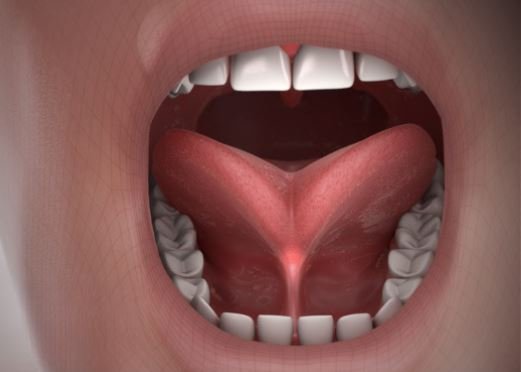
An adult tongue tie, also known as ankyloglossia, occurs when the lingual frenulum, the tissue connecting the underside of the tongue to the floor of the mouth, restricts tongue movement.
While some people have a lingual frenulum that causes no functional problems, others experience significant restriction. Tongue tie can persist into adulthood, even if it was never diagnosed during childhood.
Importantly, a tongue tie is not determined by appearance alone. The key consideration is whether the restriction affects tongue function and causes meaningful difficulties.
Common Signs and Symptoms of Adult Tongue Tie
The symptoms of adult tongue tie vary from person to person. Possible signs include:
Difficulty lifting the tongue towards the roof of the mouth
Inability to comfortably extend the tongue beyond the lower front teeth or upper lip
Difficulty moving the tongue from side to side
Tension or discomfort beneath the tongue
Challenges with certain speech sounds
Difficulty clearing food from the teeth or maintaining oral cleanliness
Difficulty maintaining a comfortable tongue posture
Compensatory movements involving the jaw, lips or facial muscles
Some adults may also report jaw tension, headaches or difficulty with certain oral functions. However, these symptoms can have multiple causes, and a tongue tie should not automatically be assumed to be responsible.
If you recognise several of these signs, a functional assessment may help determine whether tongue restriction is contributing to your concerns.
Can Adult Tongue Tie Affect Jaw Function or TMJ Symptoms?
The tongue plays an important role in oral function, swallowing and the coordination of muscles around the mouth and jaw.
When tongue movement is restricted, some people develop compensatory movement patterns to perform everyday tasks. In certain cases, these patterns may be relevant when assessing jaw muscle discomfort or temporomandibular joint (TMJ) symptoms.
However, the relationship between tongue tie and TMJ disorders is complex. Current evidence does not establish that tongue tie directly causes TMJ pain in every affected person.
A comprehensive assessment should therefore consider other potential contributors, including clenching, grinding, dental factors, muscle tension, joint function and neck-related issues.
At Pain Free Dentist Sydney, we consider the individual’s symptoms and functional findings rather than focusing on a single structure in isolation.
Is There a Connection Between Adult Tongue Tie and Sleep Apnoea?
Sleep-disordered breathing, including obstructive sleep apnoea (OSA), is another area of interest when evaluating tongue function and oral anatomy.
During sleep, the muscles of the upper airway relax. In people with obstructive sleep apnoea, the airway repeatedly becomes narrowed or blocked, disrupting normal breathing and sleep.
Tongue posture, oral anatomy, jaw position, nasal obstruction and other anatomical or physiological factors may all be relevant to airway assessment.
Some adults with restricted tongue movement also report mouth breathing, snoring or unrefreshing sleep. However, these symptoms do not prove that a tongue tie is causing an airway problem, and research has not established that releasing an adult tongue tie alone reliably treats obstructive sleep apnoea.
If you experience loud snoring, witnessed pauses in breathing, gasping during sleep or persistent daytime tiredness, appropriate medical assessment and sleep testing are important.
Where indicated, dental and airway assessments may form part of a broader, multidisciplinary approach to understanding your symptoms.
How Is Adult Tongue Tie Diagnosed?
A proper assessment involves more than simply looking at the tissue beneath the tongue.
Depending on your concerns, an assessment may consider:
1. Tongue mobility
How far and how comfortably can you lift, extend and move your tongue in different directions?
2. Tongue posture and oral function
Can you comfortably position your tongue against the palate? Are there compensatory movements or functional limitations?
3. Jaw and muscle function
Are there signs of jaw restriction, muscle tenderness or other concerns that warrant further investigation?
4. Breathing and sleep history
Do you experience mouth breathing, snoring, suspected sleep apnoea or other symptoms that require additional assessment?
5. Your overall clinical history
Previous treatment, dental anatomy, oral habits and other contributing factors may influence the recommendations.
Not everyone with a visible tongue tie requires treatment. The decision should be based on symptoms, functional limitations, clinical findings and realistic treatment goals.
Adult Tongue Tie Treatment: Is a Frenectomy Necessary?
When a tongue tie causes clinically significant functional restriction, a procedure called a frenectomy or frenotomy may be considered.
These procedures involve releasing the restrictive tissue beneath the tongue. The appropriate technique depends on the individual’s anatomy, clinical findings and treatment needs.
Potential benefits may include improved tongue mobility and relief of specific functional difficulties when the restriction is genuinely contributing to them. Outcomes vary, and improvement in jaw pain, breathing or sleep should not be guaranteed.
Treatment may involve:
Assessment and diagnosis: Identifying the functional restriction and discussing appropriate treatment options.
Frenulum release, when indicated: Releasing tissue that is demonstrably restricting function.
Post-procedure rehabilitation: Individualised exercises or guidance may be recommended to support functional recovery.
Follow-up care: Monitoring healing, mobility and progress towards the agreed goals.
A tongue tie release is not a one-size-fits-all solution. Surgery may not resolve symptoms caused by other conditions, and exercises alone or other conservative approaches may be appropriate in some cases.
Why Choose a Comprehensive Assessment?
Tongue function does not exist in isolation. Depending on your symptoms, it may be useful to consider tongue mobility alongside jaw function, dental health, oral habits and breathing concerns.
At Pain Free Dentist Sydney, we aim to understand the individual concerns that bring each patient to our clinic and explain the available options clearly. Where necessary, we may recommend collaboration with other healthcare professionals, particularly when sleep-disordered breathing or other medical concerns require further investigation.
Our approach focuses on identifying relevant contributing factors and developing an appropriate plan rather than recommending the same treatment for everyone.
Frequently Asked Questions About Adult Tongue Tie
Can adults have their tongue tie released?
Yes. Adults can undergo tongue tie release when a clinically significant restriction is affecting function and treatment is considered appropriate following assessment.
Can adult tongue tie cause jaw pain?
A restricted tongue may be relevant to oral and muscular function in some individuals, but there is insufficient evidence to conclude that tongue tie directly causes TMJ disorders in every case. Other causes of jaw pain should also be assessed.
Can releasing a tongue tie cure sleep apnoea?
No reliable evidence establishes tongue tie release as a stand-alone cure for obstructive sleep apnoea. Suspected sleep apnoea requires appropriate medical assessment and management.
Will I need exercises after a tongue tie release?
Your clinician may recommend individualised exercises or rehabilitation, depending on your functional needs and the procedure performed. Follow-up instructions should be tailored to your circumstances.
How do I know whether I need adult tongue tie treatment?
If you have difficulty moving your tongue, persistent functional concerns or questions about your tongue mobility, arrange an assessment with an appropriately qualified clinician. Treatment should be based on your symptoms and clinical findings rather than the appearance of the frenulum alone.
Book an Adult Tongue Tie Assessment in Sydney
If you suspect that a restricted tongue may be affecting your oral function, jaw comfort or quality of life, the first step is to understand what is happening and whether treatment may be beneficial.
Pain Free Dentist Sydney provides individualised dental assessments in Sydney’s Inner West, with consideration of tongue function, jaw health and related concerns where clinically appropriate.
Contact Pain Free Dentist Sydney to discuss an adult tongue tie assessment.
📍 Suite 1A, 570 New Canterbury Road, Hurlstone Park NSW 2193
📞 Phone: 02 9558 8988
🌐 Website: https://painfreedentistsydney.com.au
Disclaimer: This article provides general information and is not a substitute for an individual clinical assessment or medical advice.