
Have you been told you need a root canal and are worried about pain? You are not alone. Root canal treatment is one of the dental procedures many patients feel anxious about, often because of outdated information or stories they have heard from others.
The good news is that modern root canal treatment is designed to relieve pain caused by an infected or inflamed tooth and help preserve your natural tooth whenever possible.
At Pain Free Dentist Sydney, we understand that dental anxiety can make even a routine appointment feel overwhelming. Understanding what a root canal involves can help you feel more confident about your treatment options.
What Is Root Canal Treatment?
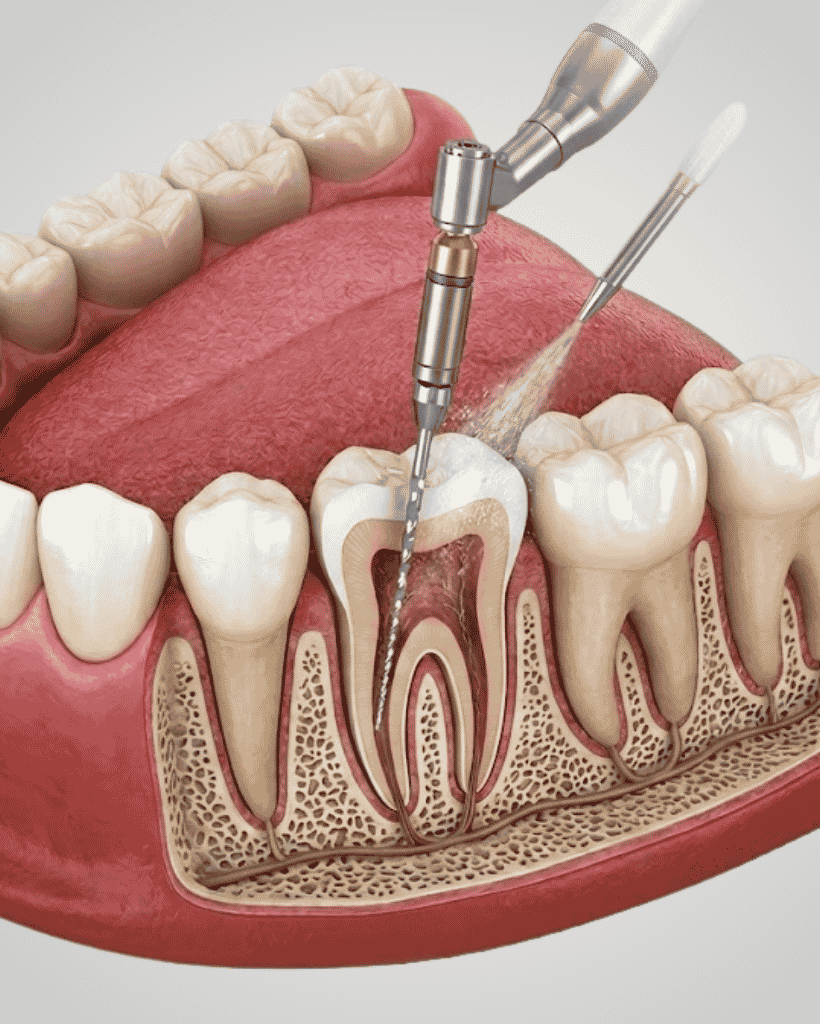
Root canal treatment, also called endodontic treatment, is a procedure used to treat infection or inflammation inside a tooth.
Inside each tooth is a soft tissue called the dental pulp, which contains nerves and blood vessels. Deep decay, a cracked tooth, trauma or repeated dental procedures can damage the pulp. If it becomes irreversibly inflamed or infected, root canal treatment may be recommended.
During treatment, the dentist removes the affected pulp, cleans and disinfects the root canal system, then fills and seals it to help prevent further infection.
The aim is to relieve symptoms, address the infection and preserve your natural tooth rather than removing it.
What Are the Signs You May Need a Root Canal?
Symptoms vary, and some teeth requiring root canal treatment may not cause obvious pain.
Common warning signs include:
Persistent toothache or throbbing pain
Prolonged sensitivity to hot or cold
Pain when biting or chewing
Swelling or tenderness around the tooth
A pimple-like swelling on the gum near the affected tooth
Darkening or discolouration of a tooth
A cracked or damaged tooth with possible pulp involvement
These symptoms do not automatically mean you need a root canal. A dental examination, together with appropriate X-rays and other tests, helps determine the cause and the most suitable treatment.
Important: Facial swelling, fever or difficulty opening your mouth may indicate a spreading infection and require urgent dental assessment. Difficulty breathing or swallowing is a medical emergency.
Does Root Canal Treatment Hurt?
This is one of the most common questions patients ask.
Root canal treatment is performed using local anaesthesia to help keep you comfortable during the procedure. Many patients find that the treatment itself is manageable, especially compared with the pain they experienced from the original dental problem.
It is important to understand that an infected or inflamed tooth can sometimes be difficult to numb completely. Your dentist can discuss additional anaesthetic approaches and comfort measures if needed.
After treatment, some tenderness or sensitivity around the tooth may occur for several days. This usually settles as the surrounding tissues recover, although recovery varies between individuals.
If pain becomes severe, swelling develops or symptoms worsen rather than improve, contact your dentist for review.
What Happens During a Root Canal Procedure?
Although every tooth is different, root canal treatment generally involves several stages.
1. Examination and Diagnosis
Your dentist assesses the tooth, reviews your symptoms and takes appropriate dental X-rays. This helps determine whether the pulp is damaged and whether the tooth can be predictably restored.
2. Local Anaesthesia
Local anaesthesia is used to numb the tooth and surrounding area. If you have dental anxiety, let your dentist know beforehand so suitable comfort options can be discussed.
3. Cleaning the Root Canals
A small opening is made in the tooth to access the pulp chamber. The damaged pulp is removed, and the root canals are cleaned, shaped and disinfected.
4. Filling and Sealing
The cleaned canals are filled with a suitable material and sealed to reduce the risk of reinfection. Some cases can be completed in one visit, while others require multiple appointments.
5. Restoring the Tooth
Once the root canal treatment is complete, the tooth needs a suitable restoration. Depending on the amount of remaining tooth structure, this may be a filling, an onlay or a dental crown.
Back teeth often need a crown or another protective restoration because they experience substantial chewing forces and may be weakened by existing decay or previous restorations.
Why Is a Dental Crown Sometimes Needed After a Root Canal?
A root canal treats the damaged tissue inside the tooth, but it does not automatically restore the tooth's strength.
If a substantial amount of tooth structure has been lost, a crown may help protect the remaining tooth from cracking during everyday chewing.
Whether a crown is necessary depends on the tooth's location, the amount of remaining healthy structure, existing cracks and the type of restoration required.
Your dentist should explain the recommended restoration and why it is appropriate for your particular tooth.
Root Canal Treatment vs Tooth Extraction
When a tooth is severely damaged or infected, patients may wonder whether it is better to save it or have it removed.
Root canal treatment aims to preserve the natural tooth. It may be appropriate when the tooth can be adequately cleaned, sealed and restored.
Tooth extraction removes the tooth. It may be necessary when the damage is too extensive, the tooth cannot be predictably restored or other clinical factors make saving it unsuitable.
If a tooth is extracted, replacement options may include a dental implant, bridge or removable denture, depending on your circumstances.
There is no single answer for every patient. Your dentist can explain the benefits, limitations, costs and long-term considerations of each option.
Can You Have Root Canal Treatment If You Have Dental Anxiety?
Yes. Dental anxiety does not mean you have to avoid necessary dental care.
At Pain Free Dentist Sydney, we understand that some patients experience significant fear of dental treatment, including concerns about injections, sounds, gagging or previous unpleasant experiences.
Depending on your needs and medical suitability, comfort options may include careful local anaesthesia, additional time for appointments, a step-by-step explanation of the procedure or an assessment for dental sedation.
The most important step is to tell your dental team about your concerns before treatment begins. This allows your dentist to discuss suitable options and help you feel more prepared.
How Long Does a Root Canal-Treated Tooth Last?
A tooth that has undergone root canal treatment can last for many years, and sometimes for the rest of a person's life. However, its long-term success depends on several factors.
These include the extent of the original damage, the quality of the root canal treatment, the final restoration, oral hygiene and regular dental care.
A root canal-treated tooth can still develop new decay, a crack or other problems. Maintaining good oral hygiene and attending recommended check-ups helps protect your investment in treatment.
Frequently Asked Questions About Root Canal Treatment
How many appointments does a root canal take?
Some treatments can be completed in one appointment, while more complex cases may require two or more visits. The number depends on the tooth, the infection and the treatment needed.
Can I eat after root canal treatment?
You can generally eat once the numbness has worn off, but avoid chewing hard foods on the treated tooth until your dentist confirms it is adequately restored. Follow any specific instructions you receive.
Is it better to extract a tooth instead of having a root canal?
Not necessarily. If the tooth can be predictably treated and restored, preserving it may be a good option. Extraction may be more appropriate when the tooth cannot be saved. The decision should follow an individual assessment.
Does a root canal remove the entire tooth nerve?
The procedure removes the damaged pulp tissue inside the tooth, including its nerves and blood vessels. The tooth remains in place and can continue functioning, although it no longer has a living pulp.
Can a tooth need a root canal without hurting?
Yes. Some teeth with pulp damage or infection have few symptoms or no noticeable pain. Dental examination and appropriate testing can help identify these problems.
Book a Root Canal Assessment in Sydney's Inner West
If you have persistent toothache, sensitivity, swelling or concerns about an infected tooth, seeking an assessment early can help you understand your treatment options.
At Pain Free Dentist Sydney, we aim to provide clear explanations and individualised dental care, with consideration for patients who feel anxious about treatment.
Contact our team to arrange an appointment and discuss the most suitable next steps for your dental health.
Pain Free Dentist Sydney
Address: Suite 1A, 570 New Canterbury Road, Hurlstone Park NSW 2193
Phone: 02 9558 8988
Website: https://painfreedentistsydney.com.au
Disclaimer: This article provides general dental information and is not a substitute for a clinical examination or individual treatment advice.