
Do you wake up tired even after a full night's sleep? Do you experience frequent headaches, neck tension, jaw tightness, or unexplained facial pain? Perhaps you find yourself clenching your teeth while working, avoiding certain foods because chewing feels uncomfortable, or feeling exhausted by the end of the day.
You may think these are separate problems caused by stress, poor posture, ageing, or a busy lifestyle. But for some people, these symptoms may be associated with temporomandibular joint disorder, commonly known as TMJ disorder or TMD.
TMJ disorders affect the jaw joints and the muscles responsible for chewing and moving the jaw. Their impact can extend beyond the mouth, affecting eating, speaking, sleep, concentration, and quality of life.
The frustrating part? Many people live with these symptoms for years without realising that their jaw may be contributing to their daily discomfort.
At Pain Free Dentist Sydney, we assess jaw-related concerns with a focus on understanding your symptoms, oral health, jaw function, and individual needs.
What Is TMJ Disorder?
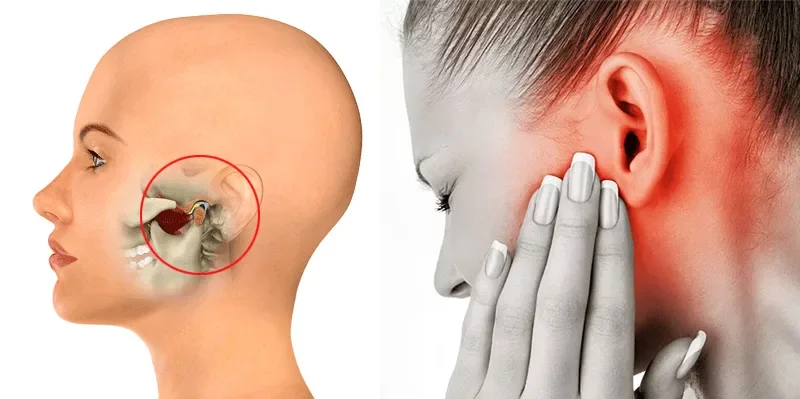
The temporomandibular joints are located just in front of your ears, connecting your lower jaw to your skull. You use them whenever you chew, speak, yawn, or open your mouth.
These joints work together with muscles, ligaments, and a small cushioning disc to allow smooth jaw movement.
TMJ disorder, also called temporomandibular disorder (TMD), is an umbrella term for conditions affecting the jaw joints and associated muscles.
Possible symptoms include:
Jaw pain, stiffness, or tightness
Clicking, popping, or grinding sounds in the jaw
Difficulty opening your mouth fully
Pain when chewing or yawning
Headaches, particularly around the temples
Facial, neck, or muscle discomfort
Teeth grinding or jaw clenching
Ear-area discomfort or a feeling of fullness
A jaw that locks or becomes difficult to move
Not everyone experiences the same symptoms. Some people have significant pain, while others mainly notice restricted movement, muscle fatigue, or clicking.
Jaw sounds without pain or restricted movement do not necessarily require treatment. The important question is whether your symptoms are persistent, affecting function, or interfering with your quality of life.
7 Ways TMJ Disorder May Affect Your Everyday Life
1. You Wake Up Tired, Sore, and Unrefreshed
Do you wake up with a tight jaw, sore facial muscles, or a headache that seems to appear overnight?
Sleep-related teeth grinding or clenching may contribute to morning discomfort in some people. Jaw pain can also make it harder to find a comfortable sleeping position or return to sleep after waking.
However, waking tired is not specific to TMJ disorder. Sleep apnoea, insomnia, stress, and other conditions can cause similar symptoms and may need separate assessment.
If you regularly wake feeling exhausted, especially if you also snore or experience interrupted breathing during sleep, it is worth discussing these symptoms with your healthcare professional.
2. Headaches Become Part of Your Normal Routine
You might reach for pain relief whenever a headache develops, assuming it is caused by stress, dehydration, or long hours at a computer.
In some people, pain involving the jaw muscles and temporomandibular joints can contribute to headaches, particularly around the temples.
Jaw-related headaches may be associated with chewing, clenching, or tenderness in the muscles around the face. However, headaches have many possible causes, and not every headache is related to the jaw.
If your headaches frequently occur alongside jaw pain, tooth grinding, or facial muscle tenderness, a dental assessment may help determine whether a TMJ-related component is present.
3. Eating Becomes More Difficult Than It Should Be
Eating should be enjoyable, not something you have to plan around discomfort.
For people with symptomatic TMJ disorders, chewing tough meat, biting into an apple, or eating chewy foods may aggravate jaw pain. Some may begin avoiding certain foods or favouring one side of the mouth.
Over time, these changes can affect food choices and make meals less enjoyable.
Persistent pain with chewing deserves assessment. Dental problems, muscle conditions, joint disorders, and other causes may produce similar symptoms, so identifying the source is important before deciding on treatment.
4. You Clench Your Teeth Without Even Noticing
You may be concentrating on work, driving in traffic, answering emails, or dealing with a stressful situation when you suddenly realise your teeth are pressed together.
Awake bruxism involves clenching, grinding, or bracing the jaw while awake. It can occur without obvious pain at first.
Repeated excessive jaw-muscle activity may contribute to muscle fatigue, tooth wear, cracked restorations, or discomfort in susceptible individuals.
One simple habit to practise during the day is to check your jaw position. When you are not eating or speaking, allow your jaw muscles to relax and keep your teeth slightly apart rather than continuously pressing them together.
This awareness may help reduce unnecessary clenching, although it does not replace an assessment when symptoms persist.
5. Your Neck and Facial Muscles Always Feel Tight
The jaw, head, and neck muscles work together during everyday movement. Some people with TMD experience tenderness that extends into the temples, cheeks, or neck.
You may notice discomfort after prolonged talking, chewing, or working at a desk.
However, neck pain and poor posture do not automatically mean you have TMJ disorder. Neck conditions, muscle strain, migraines, and other musculoskeletal problems can overlap with jaw symptoms.
A careful assessment can help clarify which areas may be contributing to your discomfort and whether coordinated care is appropriate.
6. Clicking, Locking, or Restricted Jaw Movement Starts Affecting Your Routine
Perhaps your jaw clicks when you yawn, feels stiff when you wake up, or occasionally catches when you open your mouth.
Some clicking is harmless. But painful clicking, persistent locking, or difficulty opening your mouth can interfere with eating, speaking, dental appointments, and other daily activities.
Do not force your jaw open if it feels locked or severely painful. Seek professional assessment, particularly if the restriction is new or worsening.
Sudden inability to close your mouth, significant trauma, or severe swelling requires urgent medical attention.
7. Your Mood, Concentration, and Quality of Life Suffer
Living with persistent discomfort can be exhausting.
You may become frustrated when pain interrupts your work, makes social meals uncomfortable, or affects your sleep. You might avoid certain activities because you are worried they will trigger symptoms.
Pain and stress can influence one another, but this does not mean that jaw pain is imaginary or simply caused by anxiety.
A supportive treatment approach should take your symptoms seriously, identify relevant contributing factors, and set realistic goals for improving comfort and function.
Why Does TMJ Disorder Develop?
There is rarely one explanation that applies to every person.
TMJ disorders may involve the jaw muscles, the joint itself, or a combination of factors. Potential contributors include:
Jaw clenching and teeth grinding: May overload the jaw muscles and contribute to pain or tooth damage.
Muscle tension and stress: Can influence clenching habits and pain sensitivity.
Joint irritation or injury: Trauma or changes within the joint may affect movement and comfort.
Arthritis or other joint conditions: May contribute to pain, stiffness, or altered joint function.
Sleep and general health factors: Poor sleep and other health conditions may influence pain and recovery.
Individual anatomy and function: Jaw structure and movement patterns may be relevant in certain cases.
A person's bite, tongue function, nasal breathing, and airway anatomy may also be relevant to their overall assessment in selected circumstances. However, these factors should not automatically be assumed to cause TMJ disorder, and treatment recommendations should be based on individual findings rather than a single theory.
Can TMJ Disorder Be Connected to Sleep Apnoea?
Some people experience jaw symptoms, teeth grinding, snoring, and unrefreshing sleep together.
Sleep apnoea is a condition in which breathing repeatedly becomes reduced or interrupted during sleep. It can fragment sleep and cause daytime tiredness.
Although sleep apnoea and sleep bruxism may occur in the same person, the relationship is complex. Grinding does not prove that someone has sleep apnoea, and TMJ disorder itself is not a diagnosis of a breathing problem.
If you have jaw discomfort alongside loud snoring, witnessed pauses in breathing, gasping during sleep, or significant daytime sleepiness, speak with your GP or a sleep professional about appropriate assessment.
A conventional dental night guard should not be used as a substitute for diagnosing or treating sleep apnoea.
How Is TMJ Disorder Diagnosed?
There is no single test that identifies every type of TMJ disorder. Diagnosis generally begins with a detailed history and clinical examination.
Depending on your symptoms, your dentist may assess:
Your jaw movement and range of opening
The location of pain and muscle tenderness
Jaw joint sounds and any locking
Signs of tooth wear, clenching, or grinding
Your dental history and existing restorations
Factors that aggravate or relieve your symptoms
Imaging is not always necessary. Where indicated, dental imaging or other scans may help assess specific joint or structural concerns.
The goal is to understand the likely source of your symptoms, rule out other relevant conditions, and decide whether treatment or referral is appropriate.
What Treatments Can Help TMJ Disorder?
Treatment depends on the diagnosis, severity, and impact on daily life. Many patients are initially managed with conservative approaches.
Conservative Jaw Care
Your clinician may recommend temporarily modifying foods that aggravate your symptoms, avoiding excessive gum chewing, applying comfortable heat, and practising gentle jaw relaxation.
Avoid repeatedly testing a painful jaw or forcing it through a restricted movement.
Jaw Exercises and Physical Therapy
Selected patients may benefit from guided jaw exercises or physical therapy. Exercises should be tailored to the diagnosis because not every movement is appropriate for every joint or muscle problem.
Dental Splints
An appropriately selected occlusal splint may help protect teeth from grinding and may assist some patients with particular jaw symptoms.
A splint does not cure every type of TMJ disorder, and its benefits vary. It should be reviewed if pain worsens or your bite changes.
Managing Clenching and Other Contributing Factors
Awareness training, stress-management strategies, sleep assessment, and attention to daytime clenching habits may be useful depending on the circumstances.
If another medical or dental condition is contributing to your symptoms, that condition may need separate treatment.
Other Treatment Options
Some patients may be considered for additional treatments, such as medication, targeted muscle therapies, or specialist assessment, depending on their diagnosis.
Botulinum toxin injections may be considered in selected cases of persistent jaw muscle pain or activity, but they are not suitable for everyone and evidence of benefit varies. Potential adverse effects and limitations should be discussed before treatment.
Irreversible bite adjustments or extensive dental reconstruction should not be undertaken solely on the assumption that they will cure TMJ disorder. Any major treatment should have a clear clinical indication and a carefully considered plan.
When Should You Seek Help for TMJ Symptoms?
Consider arranging an assessment if you experience persistent jaw pain, recurring headaches associated with jaw movement, difficulty chewing, restricted opening, or repeated locking.
Seek prompt care for a sudden change in jaw movement, significant facial swelling, or symptoms following an injury. Severe or unusual headaches, neurological symptoms, chest pain, or difficulty breathing require appropriate urgent medical assessment rather than assuming the problem is TMJ-related.
You do not need to wait until your symptoms become severe before asking for help.
Experienced TMJ Care at Pain Free Dentist Sydney
At Pain Free Dentist Sydney, we understand that jaw symptoms can affect much more than your ability to chew. They may interfere with sleep, concentration, work, and everyday comfort.
Our approach begins with understanding your individual symptoms, examining your jaw and teeth, and discussing appropriate treatment options. Where necessary, we can also recommend further assessment by other healthcare professionals.
If you have been living with jaw tension, headaches, clenching, or restricted jaw movement and are wondering whether TMJ disorder may be involved, an assessment can help you understand your options.
Contact Pain Free Dentist Sydney
Address: Suite 1A, 570 New Canterbury Road, Hurlstone Park NSW 2193
Phone: 02 9558 8988
Website: https://painfreedentistsydney.com.au
You deserve to understand what may be contributing to your symptoms and what practical steps could help you feel more comfortable in everyday life.
This article is for general information only and does not replace an individual dental or medical assessment.
Frequently Asked Questions About TMJ Disorder
Can TMJ disorder make you feel tired?
Jaw pain and muscle discomfort can disturb sleep or contribute to fatigue in some people. However, tiredness has many possible causes, including sleep disorders, so persistent fatigue should be assessed appropriately.
Can TMJ disorder cause headaches and neck pain?
TMD can be associated with headaches and pain around the temples, face, and neck. These symptoms can also arise from other conditions, so a proper assessment is important.
Will TMJ disorder go away on its own?
Some jaw symptoms improve with time and conservative care, while others persist or recur. The outlook depends on the underlying problem and individual circumstances.
Does teeth grinding mean I have TMJ disorder?
No. Teeth grinding can occur without a painful TMJ disorder. However, if grinding is associated with jaw pain, headaches, restricted movement, or tooth damage, an assessment may be helpful.
Can a dentist help with TMJ disorder?
A dentist can assess your teeth, jaw function, and symptoms, identify possible dental contributors, and discuss appropriate management. Some cases require collaboration with a GP, physiotherapist, pain clinician, or other healthcare professional.
What is the first step if I think I have TMJ disorder?
Start with a clinical assessment to discuss your symptoms and examine your jaw movement, muscles, and teeth. This helps determine whether conservative care, further investigation, or referral is appropriate.