
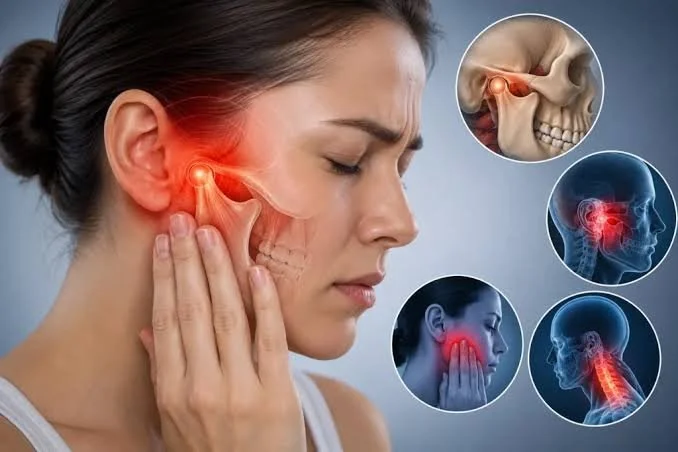
Do you suffer from jaw pain, frequent headaches, neck tension, poor sleep or unexplained facial discomfort? You may be surprised to learn that some of these symptoms can occur alongside temporomandibular joint (TMJ) disorders.
The temporomandibular joints connect your lower jaw to your skull and play an important role in speaking, chewing and yawning. However, the muscles and structures involved in jaw movement also interact with the surrounding head and neck region.
For some people, TMJ disorders can become a persistent problem that affects eating, sleeping, concentration and daily activities. Symptoms may extend beyond the jaw, making it important to look at the broader clinical picture rather than focusing on one painful area alone.
At Pain Free Dentist Sydney, we take a comprehensive approach to assessing jaw function, dental health and relevant contributing factors.
What Is TMJ Disorder?
The temporomandibular joints (TMJs) are located on either side of your head, just in front of your ears. They work together with muscles, ligaments and other structures to help your jaw move smoothly.
Temporomandibular disorders (TMD) are a group of conditions affecting these joints, the chewing muscles or associated structures.
Common symptoms include:
Pain or tenderness around the jaw joints.
Clicking, popping or grinding sounds when moving the jaw.
Difficulty opening the mouth fully.
Jaw locking or restricted movement.
Pain when chewing or yawning.
Headaches or tenderness around the temples.
Facial muscle fatigue or discomfort.
Not every clicking jaw indicates a disorder requiring treatment. However, persistent pain, locking or restricted movement deserves professional assessment.
1. TMJ Disorder and Headaches
One of the recognised symptoms associated with painful TMD is headache, particularly when pain is related to the chewing muscles or jaw movement.
The temporalis muscles extend across the sides of the head and help close the jaw. When these muscles are painful or tender, discomfort may be felt around the temples.
Some people notice that their headaches worsen when chewing, clenching their teeth or waking after a night of grinding.
However, headaches can have many causes, including migraine and other neurological conditions. A dental or TMJ assessment may help determine whether jaw dysfunction is contributing to your symptoms.
2. Jaw Problems and Neck Pain
The jaw, head and neck work together during everyday movement. People with TMD may also report neck discomfort, shoulder tension or tenderness around the surrounding muscles.
Pain can influence how someone holds their head, moves their neck or uses their muscles during daily activities. Conversely, neck problems may contribute to discomfort around the head and jaw.
This relationship is complex. Neck pain does not automatically mean that a person has TMJ disorder, and TMJ treatment should not be assumed to resolve every neck or shoulder problem.
A comprehensive assessment can help identify whether the jaw, neck or other factors may be contributing to the symptoms.
3. Teeth Grinding, Clenching and Muscle Fatigue
Bruxism refers to clenching or grinding the teeth during sleep or while awake.
Repeated clenching may increase the workload on the chewing muscles and contribute to tooth wear, muscle tenderness or jaw discomfort in some people.
You may notice:
Soreness when waking up.
Tired jaw muscles after eating.
Tenderness around the cheeks and temples.
Tooth sensitivity or damage to dental restorations.
A habit of keeping your teeth pressed together during the day.
Stress, sleep disturbances, medications and other factors may contribute to bruxism. Identifying the relevant factors is important because simply treating the teeth may not address every contributor.
4. TMJ Disorder, Sleep and Daytime Fatigue
Persistent jaw pain can make it difficult to find a comfortable sleeping position or may interrupt sleep when discomfort is present.
Poor sleep can, in turn, affect concentration, mood, energy levels and pain tolerance.
Some people with TMD also have sleep-related conditions, including obstructive sleep apnoea, but the presence of one condition does not establish that the other is caused by it.
If you experience loud snoring, witnessed pauses in breathing, gasping during sleep or excessive daytime sleepiness, discuss these symptoms with your doctor. A sleep assessment may be appropriate.
Treating jaw pain and investigating possible sleep disorders are separate but sometimes complementary parts of a person's care.
5. Can TMJ Disorder Affect Your Balance, Ears or Cause Tinnitus?
Some people with TMD report ear-region pain, a sensation of fullness or tinnitus, which is the perception of ringing or other sounds without an external source.
Because the jaw joints sit close to the ears, symptoms in these areas can sometimes overlap. However, ear symptoms can also arise from hearing conditions, infections and other medical causes.
The evidence linking TMD to dizziness, balance problems and tinnitus is variable. These symptoms should not automatically be attributed to the jaw.
Persistent tinnitus, sudden hearing changes or significant dizziness warrants appropriate medical assessment. Sudden hearing loss requires urgent medical attention.
6. The Relationship Between TMJ Disorder, Stress and the Nervous System
Chronic pain can affect more than the part of the body where it begins. Ongoing discomfort may influence sleep, stress levels, mood and the ability to participate in normal activities.
Stress can also increase awareness of pain and may contribute to clenching or muscle tension in some individuals.
This can create a difficult cycle: pain disrupts sleep, poor sleep makes coping harder, and increased muscle tension may aggravate jaw symptoms.
Not all TMD is stress-related, and psychological factors do not mean that the pain is imaginary. The physical, behavioural and psychological aspects of persistent pain may all deserve consideration.
Where appropriate, a coordinated approach involving dental care, medical assessment, physiotherapy and psychological support may help address different aspects of the problem.
7. Can Your Bite or Jaw Position Be Contributing to Your Symptoms?
Your teeth, jaw joints and chewing muscles work together during biting and chewing. Changes to the teeth, dental restorations or jaw function may be relevant when investigating certain symptoms.
However, the relationship between bite alignment and TMD is complicated. There is no single bite pattern that explains every TMJ disorder, and many people with bite differences have no jaw pain.
Treatment should be based on a careful diagnosis rather than assuming that a bite adjustment or permanent alteration of the teeth will cure a whole range of symptoms.
Depending on the findings, management may involve conservative measures, a suitable oral appliance, targeted exercises, treatment of dental problems or referral to another healthcare professional.
Irreversible dental procedures should not be undertaken solely on the assumption that they will resolve unexplained whole-body symptoms.
8. Why Looking Beyond the Jaw Matters
When several symptoms occur together, it can be tempting to search for one explanation for everything. Sometimes jaw dysfunction is an important contributor, but other conditions may be present at the same time.
A broader assessment considers:
The location, duration and pattern of your pain.
Jaw movement and joint function.
Chewing muscle tenderness.
Teeth grinding, clenching and dental wear.
Sleep quality and possible sleep-related breathing problems.
Neck symptoms, previous injuries and relevant medical history.
Whether additional medical investigations or referrals are needed.
This approach helps avoid overlooking other conditions and supports a more appropriate treatment plan.
How Is TMJ Disorder Treated?
Treatment depends on the type of TMD, the severity of symptoms and the factors contributing to the problem.
Options may include:
Conservative self-management: Temporarily choosing comfortable foods, avoiding excessive gum chewing and reducing unnecessary clenching.
Jaw physiotherapy and exercises: Selected exercises or manual therapy may help certain patients, depending on their diagnosis.
Oral appliances: A suitable splint may help some patients manage symptoms or protect teeth from damage. Appliance design and monitoring are important.
Management of dental problems: Cracked teeth, damaged restorations and other dental conditions may need separate treatment.
Medical or allied-health referral: Persistent headaches, sleep problems, significant neck symptoms or other unexplained complaints may require assessment by an appropriate healthcare professional.
More complex treatments should be considered only after an adequate assessment, discussion of alternatives and a clear explanation of potential benefits and risks.
When Should You See a TMJ Dentist?
Consider an assessment if you have persistent jaw pain, painful clicking, restricted opening, difficulty chewing, recurrent temple headaches or suspected teeth grinding.
Seek urgent care if you develop a jaw that becomes stuck open or closed, significant facial trauma, or sudden severe symptoms. Chest pain, difficulty breathing or new neurological symptoms require emergency medical assessment rather than routine dental care.
TMJ Assessment in Sydney's Inner West
At Pain Free Dentist Sydney, we understand that jaw pain can affect everyday activities and may occur alongside headaches, muscle discomfort, sleep difficulties and other concerns.
Our approach considers the jaw joints, chewing muscles, teeth, symptom history and relevant contributing factors. Where appropriate, we may recommend further investigations or collaboration with other healthcare professionals.
If you are experiencing persistent jaw symptoms, contact our team to enquire about a comprehensive TMJ assessment.
Pain Free Dentist Sydney
G1A / Suite 1A, 570 New Canterbury Road, Hurlstone Park NSW 2193
Phone: 02 9558 8988
Email: info@painfreedentistsydney.com.au
Website: painfreedentistsydney.com.au
Disclaimer: This article is for general educational purposes and is not a substitute for individual medical or dental advice. TMJ disorders can occur alongside a range of other symptoms, but they do not necessarily cause all symptoms affecting the body. Assessment is required to determine appropriate management.