
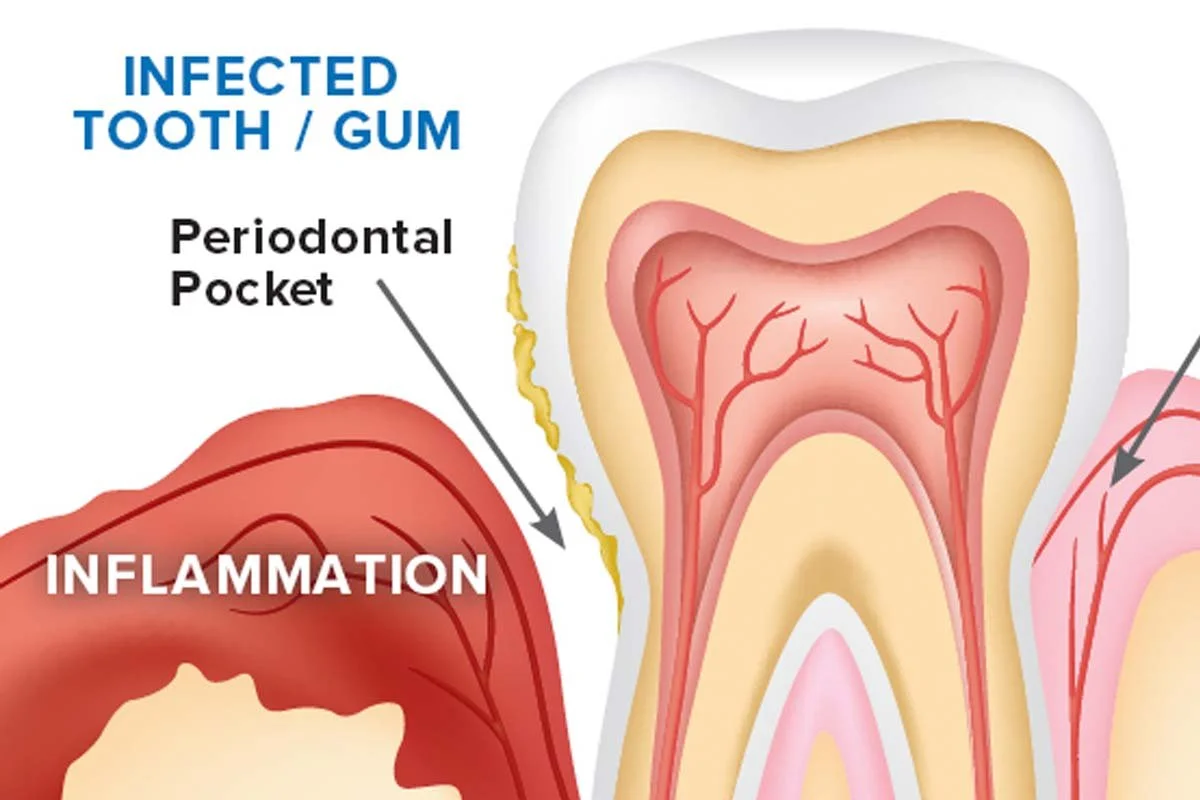
Have you noticed bleeding gums when brushing, persistent bad breath or gums that look red and swollen? These symptoms may be signs of gum disease, a common oral health condition that can gradually damage the tissues supporting your teeth.
Gum disease often develops without significant pain in its early stages. As a result, many people do not realise there is a problem until the condition has progressed.
The good news is that early detection and appropriate treatment can help control gum disease, protect your teeth and maintain your oral health.
At Pain Free Dentist Sydney, we encourage patients to take gum health seriously and seek professional assessment when symptoms appear.
What Is Gum Disease?
Gum disease, also known as periodontal disease, is an inflammatory condition affecting the gums and supporting structures around the teeth. It commonly develops when plaque, a sticky film containing bacteria, accumulates along the gumline.
There are two main stages of gum disease.
1. Gingivitis: The Early Stage
Gingivitis is the earliest stage of gum disease. The gums may become red, swollen and prone to bleeding during brushing or flossing.
At this stage, the damage is generally reversible with effective oral hygiene and professional dental care.
Common signs include:
Bleeding when brushing or flossing.
Red or swollen gums.
Tenderness around the gumline.
Persistent bad breath.
Gingivitis does not always cause pain, so bleeding gums should not be dismissed as normal.
2. Periodontitis: Advanced Gum Disease
If inflammation persists, some people develop periodontitis, a more serious condition that damages the tissues and bone supporting the teeth.
As the disease progresses, the gums may recede, spaces may develop between the teeth and gums, and teeth may become loose.
Advanced periodontitis can eventually lead to tooth loss.
Although lost supporting bone generally cannot be fully restored through routine cleaning alone, appropriate periodontal treatment can often help control the disease and prevent further deterioration.
What Causes Gum Disease?
The main cause is the accumulation of dental plaque around the teeth and gumline. When plaque is not adequately removed, it can contribute to gum inflammation and may harden into tartar, which cannot be removed effectively by brushing alone.
Several factors can increase the risk of developing gum disease:
Inadequate oral hygiene: Infrequent or ineffective brushing and interdental cleaning allow plaque to accumulate.
Smoking and tobacco use: These can increase the risk of periodontal disease and impair healing.
Diabetes: Poorly controlled diabetes is associated with an increased risk of severe gum disease.
Hormonal changes: Pregnancy and certain hormonal changes may increase gum sensitivity and inflammation.
Genetic susceptibility: Some people are more vulnerable to periodontal disease despite apparently good oral hygiene.
Certain medications and medical conditions: These may affect saliva production, gum tissue or the body's response to inflammation.
Irregular dental visits: Without regular assessment, early signs of periodontal disease may go unnoticed.
Five Warning Signs of Gum Disease
Recognising symptoms early can help you seek treatment before significant damage occurs.
1. Bleeding gums
Gums that bleed regularly during brushing or flossing may be inflamed. Although aggressive brushing and other conditions can also cause bleeding, persistent symptoms deserve assessment.
2. Persistent bad breath
Ongoing unpleasant breath or an unpleasant taste may be associated with plaque accumulation, gum inflammation or periodontal pockets.
3. Receding gums
If your teeth appear longer than before, your gums may have receded. Gum recession can occur for several reasons, including periodontal disease and brushing trauma.
4. Loose or shifting teeth
Adult teeth should not become increasingly mobile without a reason. Tooth mobility can be a sign of damage to the supporting structures and requires prompt dental assessment.
5. Swollen or tender gums
Persistent redness, swelling or tenderness can indicate inflammation. Severe pain, pus or facial swelling may suggest an infection requiring urgent care.
Can Gum Disease Affect Your Overall Health?
Gum disease is not limited to the appearance of your smile. Periodontitis is a chronic inflammatory condition, and research has found associations between periodontal disease and several systemic health conditions, including cardiovascular disease and diabetes.
However, an association does not necessarily mean that gum disease directly causes those conditions. The relationship can be influenced by shared risk factors, including smoking, age and metabolic health.
There is also a well-established two-way relationship between diabetes and periodontal health: diabetes can increase susceptibility to gum disease, while successful periodontal treatment may help improve blood glucose control in some patients.
Maintaining healthy gums is therefore an important part of looking after your overall health, even though dental treatment cannot guarantee the prevention of other medical conditions.
How Is Gum Disease Diagnosed?
A dentist assesses your gums, teeth and supporting structures to determine whether gum disease is present and how advanced it may be.
The examination may include:
Checking for redness, swelling and bleeding.
Measuring the depth of the spaces between the teeth and gums.
Assessing gum recession and tooth mobility.
Looking for plaque and tartar accumulation.
Taking dental X-rays when indicated to assess supporting bone.
The results help determine whether the problem is gingivitis, periodontitis or another condition that requires different management.
What Is the Treatment for Gum Disease?
Treatment depends on the severity of the condition.
Professional dental cleaning: Removing plaque and tartar helps control gum inflammation and supports effective home care.
Scaling and root surface debridement: For periodontitis, deeper cleaning below the gumline may be required to remove deposits and reduce inflammation.
Improved home oral hygiene: Your dentist or hygienist can demonstrate effective brushing and interdental cleaning techniques.
Periodontal maintenance: Patients with periodontitis may require ongoing reviews and professional cleaning at intervals tailored to their condition.
Additional periodontal treatment: Persistent deep pockets or advanced disease may require referral to a periodontist or consideration of further treatment.
Antibiotics are not routinely necessary for ordinary gum inflammation and should only be used when clinically indicated.
Can Gum Disease Be Reversed?
The answer depends on the stage.
Gingivitis can generally be reversed when plaque is effectively controlled and the gums are allowed to recover.
Periodontitis is different. Although treatment can reduce inflammation and help prevent further damage, lost supporting bone and attachment are not usually restored simply through routine cleaning.
This is why early assessment matters. Treating gum inflammation before significant supporting tissue is lost can make a meaningful difference to long-term oral health.
How Can You Prevent Gum Disease?
A consistent oral hygiene routine is one of the most effective ways to reduce plaque accumulation.
Brush twice daily with fluoride toothpaste.
Clean between your teeth daily using suitable interdental brushes or floss.
Avoid smoking and tobacco products.
Attend regular dental examinations and professional cleaning as recommended.
Manage diabetes and other relevant medical conditions with your healthcare team.
Seek advice if your gums bleed regularly or your teeth become loose.
Good home care is essential, but it does not replace professional treatment when periodontal disease has already developed.
Gum Disease Treatment in Sydney's Inner West
Bleeding gums, persistent bad breath and gum recession should not be ignored. Identifying gum disease early can help protect your teeth and reduce the risk of long-term damage.
At Pain Free Dentist Sydney, we can assess your gum health, discuss appropriate treatment options and help you understand how to maintain healthier gums.
If you are concerned about gum disease, contact our clinic to arrange a dental assessment.
Pain Free Dentist Sydney
G1A / Suite 1A, 570 New Canterbury Road, Hurlstone Park NSW 2193
Phone: 02 9558 8988
Email: info@painfreedentistsydney.com.au
Website: painfreedentistsydney.com.au
Disclaimer: This article provides general educational information and is not a substitute for individual dental or medical advice. Diagnosis and treatment recommendations depend on a clinical examination.