Do you wake up with a sore jaw, tight facial muscles or a headache? Perhaps you notice clicking when you open your mouth, struggle to chew comfortably, or find yourself constantly clenching your teeth.
These symptoms may be related to TMJ dysfunction, also known as temporomandibular joint disorder (TMD).
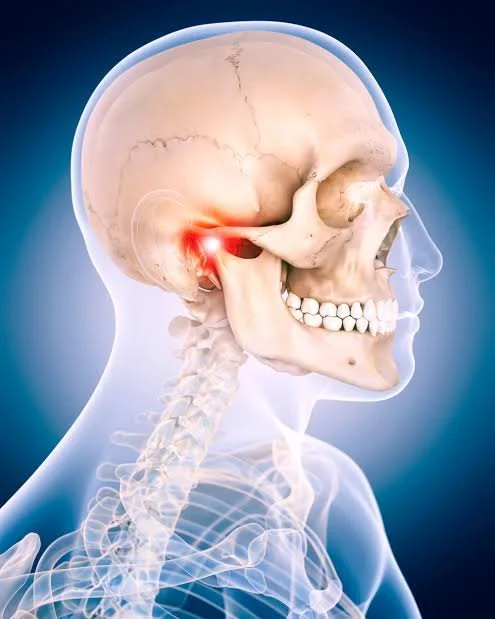
The temporomandibular joints are the two small joints that connect your lower jaw to your skull. They allow you to talk, chew, swallow and open and close your mouth. Because these joints work thousands of times every day, problems affecting the jaw joint, muscles or bite can have a significant impact on your comfort and quality of life.
What causes TMJ pain?
TMJ problems can have more than one contributing factor. In some people, the main issue may be excessive jaw muscle activity from teeth grinding or jaw clenching. In others, the way the teeth, jaw joints and muscles function together may contribute to symptoms.
Common factors associated with TMJ dysfunction include:
Teeth grinding and jaw clenching
Stress-related muscle tension
Jaw joint inflammation or irritation
Changes in the bite
Worn or damaged teeth
Loss of posterior tooth support
Previous jaw injury or trauma
Poor jaw movement patterns
Muscle tension in the face, neck and shoulders
Sleep-related breathing problems
Mouth breathing and restricted nasal breathing
This is why simply treating the painful area does not always address the underlying problem.
TMJ symptoms can be more than just jaw pain
Many people assume that TMJ problems only cause pain around the jaw. However, symptoms can vary considerably.
You may experience:
Jaw symptoms:
Jaw pain, stiffness, clicking, popping, difficulty opening the mouth or discomfort when chewing.
Muscle symptoms:
Tight or tired jaw muscles, facial tension, masseter soreness or tenderness around the temples.
Head and neck symptoms:
Tension headaches, facial pain or discomfort extending into the neck and shoulders.
Sleep-related symptoms:
Night-time clenching, grinding, restless sleep or waking with jaw tension.
Some people have significant TMJ dysfunction without experiencing obvious pain, while others may have severe symptoms despite having no visible changes to the joint.
What does teeth grinding have to do with TMJ?
Bruxism, commonly known as teeth grinding or clenching, can place considerable load on the teeth, jaw muscles and temporomandibular joints.
Over time, excessive loading may contribute to worn teeth, fractured restorations, muscle enlargement, morning jaw soreness and increased jaw tension.
However, grinding is not always the root cause. It can sometimes be a response to other factors, including stress, sleep disturbances, airway issues, bite changes or reduced jaw stability.
Understanding why the muscles are working so hard can therefore be an important part of a comprehensive TMJ assessment.
Can TMJ be connected with the airway and tongue?
The jaw does not function in isolation.
Your tongue, jaw, teeth, airway and surrounding muscles all work within the same complex system. Factors such as a narrow palate, low tongue posture, mouth breathing or a retruded lower jaw may influence how the tongue and jaw function.
In selected patients, assessing jaw position, tongue posture, nasal breathing and airway factors may therefore be relevant when investigating persistent jaw tension or sleep-related clenching.
This does not mean that every case of TMJ pain is caused by an airway problem. A proper assessment is important to determine which factors are actually relevant to each individual.
How is TMJ diagnosed?
There is no single treatment that works for every TMJ patient.
A comprehensive TMJ assessment may include an examination of:
Jaw movement and range of motion
Temporomandibular joints
Jaw muscles
Bite and tooth wear
Signs of clenching and grinding
Tongue posture and function
Previous dental treatment
Relevant head, neck and facial symptoms
Breathing and sleep-related concerns
In some cases, dental imaging such as a CBCT scan may be recommended to assess the jaw joints and surrounding structures.
The goal is not simply to find where it hurts. It is to understand how the different components of the chewing system are working together.
TMJ treatment options
Treatment depends on the cause, severity and individual circumstances.
Depending on the diagnosis, treatment may include conservative approaches such as:
Jaw and muscle relaxation strategies
Behavioural changes to reduce excessive clenching
Occlusal splint therapy
Management of tooth wear or loss of tooth support
Physiotherapy or myofunctional therapy
Treatment of contributing dental problems
Management of sleep-related or breathing factors
For some patients, Botox for TMJ may also be considered. Botox can temporarily reduce excessive activity of specific jaw muscles and may help reduce muscle-related pain and tension in appropriately selected patients.
It is important to understand that Botox does not correct every underlying cause of TMJ dysfunction. It is generally best considered as one component of an individualised treatment plan rather than a standalone solution.
Why treating the whole picture matters
One of the biggest mistakes in managing chronic TMJ problems is focusing on only one symptom.
For example, if someone has severe jaw muscle tension, simply relaxing the muscles may provide temporary relief. But if the underlying factors contributing to excessive muscle activity remain, the problem may continue.
Likewise, a person with significant tooth wear may need more than a night guard if their teeth, bite, jaw position and muscle function have changed over time.
A comprehensive approach looks at the teeth, bite, jaw joints, muscles, tongue, airway and functional habits to determine which factors may be contributing to the individual patient's symptoms.
When should you see a dentist about TMJ pain?
Consider having your jaw assessed if you regularly experience:
Jaw pain or stiffness
Clicking or popping
Frequent headaches
Facial or temple tension
Teeth grinding
Jaw clenching
Worn or chipped teeth
Difficulty opening your mouth
Pain when chewing
Morning jaw soreness
Persistent facial or neck tension
Early assessment can help identify contributing factors before symptoms become more persistent or complicated.
Looking for TMJ Treatment in Sydney?
At Pain Free Dentist Sydney, we take a comprehensive approach to patients experiencing TMJ pain, jaw tension, teeth grinding and clenching.
Rather than looking only at the painful joint or muscles, we assess the relationship between the jaw joints, muscles, teeth, bite and relevant airway and functional factors.
Every patient is different, which is why treatment should be based on an individual assessment rather than a one-size-fits-all approach.
If you are experiencing persistent jaw pain, headaches, teeth grinding or jaw clenching, a comprehensive TMJ consultation in Sydney may help identify the factors contributing to your symptoms.
Pain Free Dentist Sydney
Sydney Inner West
Phone: 02 9558 8988
Website: painfreedentistsydney.com.au