Gum disease, also known as periodontal disease, is one of the most common oral health problems. It can begin quietly, with early signs that are easy to overlook, but untreated gum disease can affect the gums and supporting structures around your teeth.
At Pain Free Dentist Sydney, we have been caring for patients for around 30 years. Our approach focuses on prevention, early detection and personalised treatment to help maintain healthy teeth and gums.
Our dental clinic is located in Hurlstone Park, Sydney Inner West, and we welcome patients from Dulwich Hill, Marrickville, Ashfield, Summer Hill, Petersham, Newtown, Earlwood, Canterbury and surrounding suburbs.
What Is Gum Disease?
Gum disease is an inflammatory condition affecting the tissues surrounding the teeth.
It commonly begins with plaque, a sticky film of bacteria that builds up on teeth. If plaque is not removed effectively, it can contribute to inflammation of the gums.
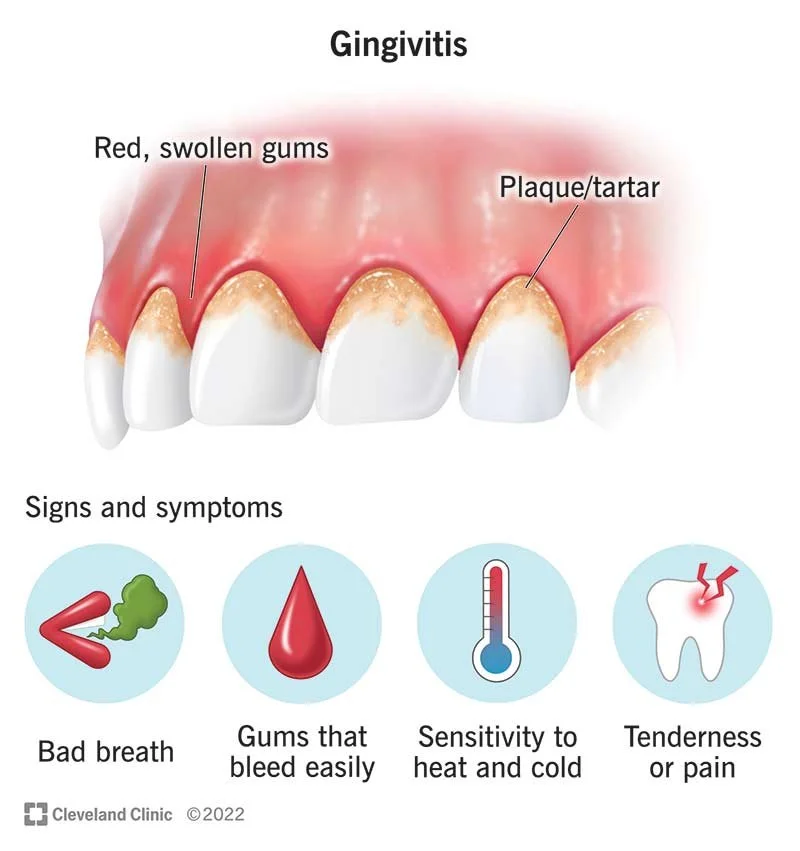
The early stage is called gingivitis. At this stage, the gums may become red, swollen or bleed when brushing or flossing.
If gum disease progresses, it can affect the deeper tissues supporting the teeth. This more advanced form is called periodontitis.
What Are the Signs of Gum Disease?
Gum disease does not always cause pain, which is one reason regular dental examinations are important.
Possible signs include:
Bleeding when brushing or flossing
Red or swollen gums
Tender or sensitive gums
Persistent bad breath
Receding gums
Teeth appearing longer than before
Loose or mobile teeth
Changes in the way your teeth meet
Pus around the gums
Increased spaces between teeth
Tooth sensitivity
If you notice persistent bleeding or changes in your gums, it is worth having them assessed by a dentist.
What Causes Gum Disease?
The most common contributing factor is the accumulation of bacterial plaque around the teeth and gumline.
However, gum health can also be influenced by other factors, including:
Inadequate plaque removal
Smoking or tobacco use
Genetics
Certain medical conditions
Some medications
Hormonal changes
Stress
Irregular dental care
Crowded or difficult-to-clean teeth
Your dentist can assess your individual risk factors and recommend an appropriate oral hygiene and treatment plan.
Why Do My Gums Bleed When I Brush?
Bleeding gums are not something that should simply be ignored.
Bleeding can be a sign of inflammation caused by plaque accumulation and gum disease. Some people stop brushing or flossing an area because it bleeds, but this can allow plaque to remain around the gums.
If your gums regularly bleed when brushing or flossing, arrange a dental examination to determine the cause.
Can Gum Disease Be Prevented?
Good oral hygiene plays an important role in preventing gum disease.
Helpful habits include:
Brushing twice a day with fluoride toothpaste
Cleaning between your teeth regularly
Having professional dental cleans when recommended
Maintaining regular dental examinations
Avoiding smoking
Managing contributing health conditions with your healthcare team
The best approach depends on your individual oral health and risk factors.
How Is Gum Disease Treated?
Treatment depends on the stage and severity of the gum disease.
For early gum inflammation, improving oral hygiene and professional cleaning may be sufficient to restore healthier gums.
More advanced periodontal disease may require a more comprehensive treatment approach, including professional periodontal cleaning and ongoing monitoring.
Your dentist may assess gum pockets, bleeding, tooth mobility, bone support and other clinical signs when determining the appropriate treatment.
The earlier gum disease is identified, the easier it may be to manage.
Gum Disease and Your Overall Oral Health
Healthy gums provide important support for your teeth.
Advanced gum disease can lead to loss of supporting bone and may contribute to tooth mobility and eventual tooth loss.
This is why maintaining healthy gums is an important part of protecting your natural teeth for the long term.
When Should You See a Dentist for Gum Disease?
You should consider booking a dental examination if you have:
Regularly bleeding gums
Persistent bad breath
Swollen or painful gums
Gum recession
Loose teeth
Increasing tooth sensitivity
A history of periodontal disease
Concerns about your gum health
Even if your gums do not hurt, an examination can help identify early changes that may not be obvious to you.
Gum Disease Dentist in Sydney Inner West
If you are looking for a gum disease dentist in Sydney Inner West, Pain Free Dentist Sydney is conveniently located in Hurlstone Park.
With around 30 years of experience, we provide general dental care with an emphasis on prevention, early detection and personalised treatment.
We welcome patients from Hurlstone Park, Dulwich Hill, Marrickville, Ashfield, Summer Hill, Petersham, Newtown, Earlwood, Canterbury, Burwood and surrounding Sydney suburbs.
If you are experiencing bleeding gums, gum recession, bad breath or other changes in your gums, an examination can help determine what is causing the problem and what treatment may be appropriate.
Book Your Dental Examination
Healthy gums are an important part of a healthy smile. If you are concerned about your gums, contact Pain Free Dentist Sydney to arrange an appointment.
Pain Free Dentist Sydney
📍 Suite 1A, 570 New Canterbury Road, Hurlstone Park NSW 2193
📞 02 9558 8988
📧 info@painfreedentistsydney.com.au