
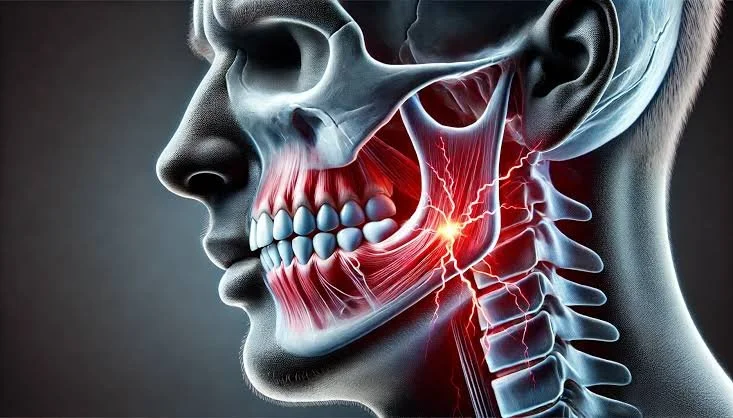
What Are TMJ Problems?
Have you ever experienced a clicking jaw, pain near your ears, frequent headaches or difficulty opening your mouth? These symptoms may be associated with a condition affecting the temporomandibular joint (TMJ), which connects your lower jaw to your skull.
The term TMJ refers to the jaw joint itself, while temporomandibular disorders (TMD) describes a group of conditions affecting the jaw joints, chewing muscles and surrounding structures.
TMJ problems can range from occasional clicking without pain to persistent jaw discomfort that affects eating, speaking and everyday activities. Understanding the possible causes is the first step towards finding an appropriate treatment approach.
What Are the Common Symptoms of TMJ Disorders?
TMJ disorders can present differently from person to person. Some people experience mild symptoms, while others find that jaw discomfort interferes with their daily lives.
Common symptoms include:
Jaw pain or tenderness: Discomfort around the jaw joint, cheeks or temples.
Jaw clicking or popping: Sounds when opening or closing your mouth, sometimes accompanied by pain.
Headaches: Pain around the temples or forehead that may be associated with jaw muscle tension.
Difficulty opening the mouth: Restricted movement, stiffness or episodes of jaw locking.
Facial pain: Aching or tenderness in the muscles used for chewing.
Teeth clenching or grinding: Excessive jaw muscle activity that may contribute to tooth wear or muscle discomfort.
Ear-area discomfort: Pain around the ears, although ear conditions and other causes should also be considered.
Neck discomfort: Neck pain may coexist with TMD, although it does not necessarily mean the jaw joint is the cause.
It is important to remember that jaw clicking alone is common and does not always require treatment. Persistent pain, locking or restricted movement warrants professional assessment.
What Causes TMJ Problems?
There is rarely one single cause of TMD. Symptoms may arise from several contributing factors.
1. Teeth grinding and clenching
Bruxism involves grinding or clenching the teeth. When associated with excessive muscle activity, it may contribute to tired, tender chewing muscles, morning jaw discomfort and tooth wear.
2. Stress and muscle tension
Stress may increase jaw clenching or muscle tension in some individuals. Poor sleep and ongoing pain can also influence how symptoms are experienced.
3. Jaw joint conditions
The joint's cartilage disc, ligaments and other structures can contribute to pain, clicking or restricted movement. Different joint conditions require different management strategies.
4. Previous injury
Trauma to the jaw, face or head may contribute to jaw symptoms. A clinician should consider the timing of the injury and other possible explanations.
5. Neck and postural factors
Neck discomfort and TMD can occur together. The relationship is complex, so a comprehensive assessment may consider jaw movement, muscle tenderness and cervical symptoms rather than assuming one condition causes the other.
How Are TMJ Problems Diagnosed?
An appropriate assessment begins with understanding your symptoms, medical history and treatment goals.
A dental assessment may include:
Reviewing the location, duration and pattern of your pain.
Assessing jaw movement, opening range and any locking.
Examining the jaw joints and chewing muscles.
Checking the teeth for wear, fractures or other dental problems.
Considering clenching, grinding, sleep quality and previous injuries.
Determining whether imaging or referral is appropriate.
X-rays and other imaging are not necessary for every patient. They may be recommended when the findings suggest that further investigation would help clarify the diagnosis.
Because headaches, facial pain and ear-area symptoms can have multiple causes, a dentist may recommend assessment by another healthcare professional when appropriate.
What Treatments Are Available for TMJ Problems?
Treatment depends on the underlying condition, severity of symptoms and individual circumstances. Many patients can begin with conservative, reversible approaches.
1. Jaw relaxation and habit awareness
Learning to recognise daytime clenching, avoiding excessive jaw strain and allowing the jaw muscles to relax may help some patients.
2. Dietary adjustments
Temporarily choosing softer foods and avoiding excessive gum chewing or very hard foods may reduce discomfort during a flare-up.
3. Heat or cold therapy
Depending on the symptoms, a wrapped warm or cold pack may provide temporary relief. Avoid applying extreme temperatures directly to the skin.
4. Physiotherapy and jaw exercises
Individualised exercises or physiotherapy may be appropriate for selected patients, particularly when movement restriction or associated neck symptoms are present.
5. Occlusal splint therapy
A custom-made dental splint may be considered for selected patients, including some with tooth grinding or particular jaw muscle symptoms. Splints are not suitable for every TMD condition, and their purpose and expected benefits should be explained before treatment.
6. Other treatment options
Medication, specialist referral or other interventions may be considered according to the diagnosis. Botulinum toxin injections are sometimes considered for selected muscle-related symptoms, but evidence of benefit for TMD remains mixed, and potential adverse effects should be discussed carefully.
There is no single treatment that works for everyone. Irreversible changes to the teeth or bite should not be undertaken solely on the assumption that they will resolve TMD.
When Should You Seek Professional Advice?
Consider arranging an assessment if you have persistent jaw pain, repeated locking, difficulty eating, restricted mouth opening or symptoms that are getting worse.
Seek urgent medical attention for severe or sudden symptoms, significant facial swelling, fever, a jaw that becomes stuck open or closed, or difficulty swallowing or breathing.
Early assessment can help identify the likely source of your symptoms and determine whether dental care, conservative management or referral is appropriate.
TMJ Assessment at Pain Free Dentist Sydney
At Pain Free Dentist Sydney in Dulwich Hill, we understand that ongoing jaw discomfort can affect your ability to eat comfortably, sleep well and enjoy everyday activities.
Dr Lee San Chong assesses patients experiencing jaw pain and symptoms associated with temporomandibular disorders. An individualised approach helps identify possible contributing factors and discuss appropriate management options based on your clinical findings.
If you are experiencing jaw clicking, headaches, facial muscle discomfort or difficulty opening your mouth, consider arranging an assessment to discuss your symptoms.
Contact us:
Practice: Pain Free Dentist Sydney
Location: Dulwich Hill, Sydney
Phone: 02 9558 8988
Your treatment options will depend on your individual assessment. No single treatment is appropriate for every TMJ or TMD condition.