Have you ever woken up with a sore jaw, a headache or teeth that feel unusually sensitive? Perhaps your partner has mentioned hearing you grind your teeth while sleeping. You may be experiencing bruxism – a common condition involving involuntary teeth grinding, jaw clenching or tightening of the jaw muscles.
Many people do not realise they have bruxism until they begin experiencing dental problems, jaw discomfort or headaches. Understanding what causes bruxism and recognising the early warning signs can help protect your teeth and support better jaw health.
What Is Bruxism?
Bruxism is the medical term for grinding, clenching or pressing the teeth together, often without being aware of it.
There are two main types:
1. Sleep bruxism
Sleep bruxism occurs while you are asleep. You may grind your teeth, clench your jaw or repeatedly activate your jaw muscles during the night. Some people are unaware of the habit until a partner notices the grinding sounds or a dentist identifies signs of tooth wear.
2. Awake bruxism
Awake bruxism occurs when you clench your jaw, press your teeth together or tense your jaw muscles while awake. It may happen during concentration, stressful situations, driving, working at a computer or performing demanding tasks.
Both types can place excessive forces on the teeth, jaw muscles and temporomandibular joints (TMJ).
What Causes Bruxism?
Bruxism does not have one single cause. It is generally considered a multifactorial condition, meaning several physical, psychological, behavioural and lifestyle factors may contribute.
1. Stress and Anxiety
Stress is one of the commonly recognised factors associated with awake teeth clenching.
When people feel overwhelmed, anxious or under pressure, they may unconsciously tighten their jaw muscles. This can happen while working, studying, driving or concentrating.
Ongoing stress may also affect sleep quality and contribute to sleep-related grinding in some individuals.
2. Sleep Disturbances
Sleep bruxism is associated with changes in sleep activity and brief arousals during sleep.
People with certain sleep disorders, including obstructive sleep apnoea, may also experience bruxism. Snoring, interrupted breathing and poor-quality sleep should be assessed when relevant.
If you regularly wake up feeling tired, experience morning headaches or have been told that you snore heavily, it may be worth discussing your sleep health with your healthcare provider.
3. Certain Medications and Substances
Some medications, including certain antidepressants, may be associated with increased teeth grinding or jaw clenching in some people.
Caffeine, nicotine and alcohol may also contribute to bruxism or affect sleep quality.
If you notice that grinding started or became worse after commencing a medication, speak with your prescribing doctor. Do not stop prescribed medication without medical advice.
4. Concentration and Daily Habits
Not all bruxism happens during sleep.
Many people unknowingly clench their teeth while concentrating on a computer, using a mobile phone, exercising or completing stressful tasks.
A helpful reminder is that your teeth should generally be slightly apart when you are not eating or swallowing. Your jaw muscles should feel relaxed rather than constantly engaged.
5. Pain and Other Health Factors
Some people develop jaw muscle tension alongside other pain conditions or chronic discomfort.
Headaches, neck tension and musculoskeletal pain may coexist with bruxism. However, these symptoms do not necessarily mean that one condition directly causes the other.
A comprehensive assessment can help identify contributing factors and determine whether further medical or allied-health evaluation is appropriate.
Signs and Symptoms of Bruxism
Bruxism can affect more than just your teeth. Common signs and symptoms include:
Flattened, chipped or worn-down teeth
Cracked fillings or dental restorations
Increased tooth sensitivity
Jaw soreness or muscle fatigue
Morning headaches, particularly around the temples
Facial muscle tension
Jaw clicking or discomfort when opening
Difficulty opening the mouth comfortably
Tooth pain without an obvious cavity
Increased tension around the neck and shoulders
Not everyone with bruxism experiences pain. Some people have significant tooth wear without realising they grind their teeth.
How Does Teeth Grinding Affect Your Teeth?
Your teeth are designed to withstand normal chewing forces, but repeated excessive clenching and grinding can gradually damage them.
Over time, bruxism may contribute to:
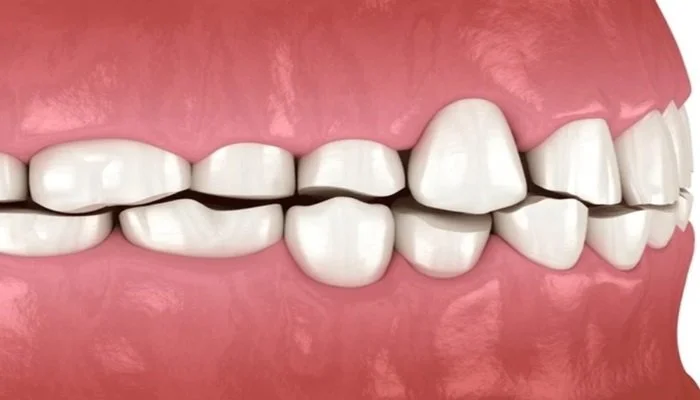
Tooth wear: The biting surfaces can become flattened, reducing the natural anatomy of the teeth.
Chipped or fractured teeth: Excessive forces may cause cracks, broken edges or fractures, particularly in teeth with large existing fillings.
Tooth sensitivity: As enamel wears away, the underlying dentine may become exposed, making teeth more sensitive to cold, heat or pressure.
Damage to dental restorations: Crowns, fillings, veneers and other restorations may be subjected to repeated excessive forces.
Changes in bite relationships: Severe tooth wear may alter the way the upper and lower teeth meet, potentially affecting chewing comfort and dental function.
Early assessment can help identify damage before it becomes more extensive.
Can Bruxism Cause TMJ Disorders?
Bruxism and temporomandibular disorders (TMD) can occur together.
Repeated jaw clenching may contribute to muscle fatigue and discomfort around the jaw. Some individuals also experience headaches, facial pain or tenderness around the temporomandibular joints.
However, TMD is complex and can involve several factors, including joint conditions, muscle pain, sleep disturbances, stress and other health influences.
Not everyone who grinds their teeth develops a TMJ disorder, and not every person with TMJ symptoms has bruxism.
If you experience persistent jaw pain, clicking, locking or restricted opening, a dental assessment can help determine what may be contributing to your symptoms.
How Is Bruxism Diagnosed?
A dentist may identify signs of bruxism during a comprehensive dental examination.
Your assessment may include:
Reviewing your medical and dental history
Asking about sleep habits, stress and jaw symptoms
Examining the teeth for signs of wear, cracks or fractures
Assessing jaw muscle tenderness and function
Evaluating how your teeth meet when biting
Checking the temporomandibular joints
Considering whether further medical or sleep assessment is needed
In selected cases, a sleep assessment may be recommended, particularly where sleep apnoea or another sleep disorder is suspected.
What Treatments Are Available for Bruxism?
There is no single treatment that suits everyone. Management depends on whether the grinding occurs during sleep or while awake, the severity of symptoms and whether there is existing dental damage.
1. Occlusal Splint or Night Guard
A professionally designed occlusal splint may help protect the teeth from further wear and reduce the impact of grinding forces on dental surfaces.
The splint needs to be properly assessed, fitted and monitored. It does not necessarily stop the underlying grinding activity, but it may provide protection for selected patients.
2. Jaw Relaxation and Awareness Training
For awake bruxism, becoming aware of when you clench your teeth is an important first step.
Try to keep your jaw relaxed, with your lips gently together and your teeth apart when resting. Regular reminders throughout the day may help reduce unnecessary muscle activity.
3. Stress Management
Relaxation techniques, mindfulness, appropriate exercise and psychological support may help people manage stress-related clenching.
Improving sleep routines and reducing stimulating substances, particularly later in the day, may also be beneficial.
4. Physiotherapy and Jaw Muscle Management
For patients experiencing jaw muscle tension, a suitably qualified physiotherapist may help with muscle relaxation, movement, posture and associated neck discomfort.
Treatment should be tailored to the individual's symptoms and clinical findings.
5. Botox for Selected Cases
Botulinum toxin injections may be considered for some patients with significant jaw muscle overactivity or persistent symptoms.
The treatment temporarily reduces muscle activity but does not cure the underlying causes of bruxism. It is not appropriate for everyone and requires careful assessment, discussion of potential risks and realistic expectations.
6. Restoring Teeth Damaged by Bruxism
Where significant tooth wear has occurred, restorative dental treatment may be considered to rebuild damaged tooth structure and improve dental function.
The timing and type of treatment depend on the condition of the teeth, the bite, the patient's symptoms and the overall treatment plan. Protecting the teeth from ongoing excessive forces is an important consideration.
When Should You See a Dentist?
You should consider a dental assessment if you:
Frequently wake up with jaw pain or headaches
Notice your teeth becoming shorter or flatter
Have unexplained tooth sensitivity
Keep chipping fillings or breaking teeth
Experience jaw clicking, locking or difficulty opening
Have persistent facial or jaw muscle tension
Suspect that you grind or clench your teeth during sleep
Early assessment may help identify the problem, protect your teeth and reduce the risk of more extensive dental damage.
Looking for Help with Teeth Grinding in Dulwich Hill?
At Pain Free Dentist Sydney – Dr Lisa Chong Clinic, we understand that bruxism can affect more than your teeth. Persistent grinding and clenching may influence your dental health, jaw comfort and everyday quality of life.
Dr Lisa Chong provides dental assessments for patients experiencing teeth grinding, jaw clenching, tooth wear and TMJ-related concerns. We take an individualised approach to understanding possible contributing factors and discussing suitable management options.
If you are concerned about teeth grinding, do not wait until your teeth become severely worn or damaged.
Contact Pain Free Dentist Sydney in Dulwich Hill to arrange an assessment.
Pain Free Dentist Sydney – Dr Lisa Chong Clinic
Dulwich Hill, NSW
Phone: 02 9558 8988
Email: info@painfreedentistsydney.com.au
Website: https://painfreedentistsydney.com.au