Have you ever woken up with a sore jaw, a headache or tightness around your temples? Do you hear clicking or popping sounds when you open your mouth? Perhaps you experience neck and shoulder tension that never seems to go away, despite massages, physiotherapy or pain medication.
You may be surprised to learn that some of these symptoms could be associated with your temporomandibular joint (TMJ).
TMJ disorders are often misunderstood because the symptoms do not always appear to originate from the jaw. Some patients experience facial pain, headaches, ear discomfort, difficulty chewing or even restricted mouth opening without realising that their jaw joints and surrounding muscles may be involved.
The jaw is one of the most frequently used joints in the body. We rely on it every day to speak, eat, yawn and swallow. When the muscles, joints or surrounding structures are not functioning comfortably, the effects can extend beyond the mouth.
At Pain Free Dentist Sydney – Dr Lisa Chong Clinic in Dulwich Hill, we understand that persistent jaw discomfort can affect your sleep, concentration, eating habits and quality of life. Let's explore what TMJ disorders are, why they happen and what can be done to help.
What Is the TMJ and Why Is It So Important?
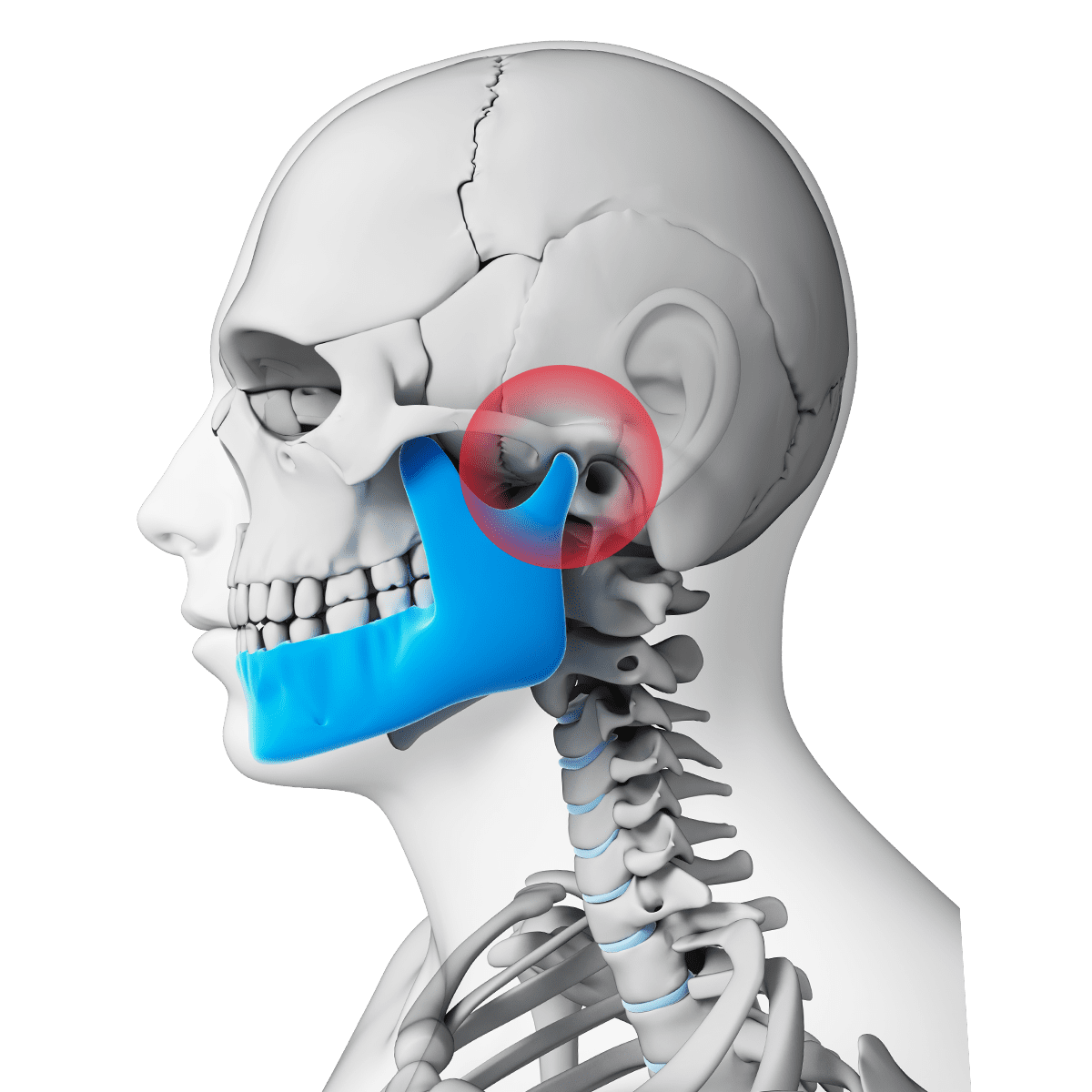
The temporomandibular joints are the two joints located on either side of your face, just in front of your ears.
They connect your lower jaw (mandible) to your skull and allow you to move your mouth in different directions.
Unlike a simple hinge, the TMJ performs a combination of rotational and sliding movements. A small disc of cartilage sits between the joint surfaces, helping facilitate smooth movement.
Every time you chew, talk, yawn or open your mouth, these joints work together with a complex network of muscles, ligaments and supporting structures.
When one or more of these components becomes painful or dysfunctional, a person may develop what is commonly described as a temporomandibular disorder (TMD).
Importantly, TMJ refers to the joint itself, while TMD refers to the group of conditions affecting the jaw joints, muscles and related structures.
10 Warning Signs That You May Have a TMJ Disorder
TMJ disorders can present in many different ways. Some patients experience obvious jaw pain, while others notice symptoms in areas they would never associate with their teeth.
Here are some common warning signs.
1. Jaw Clicking or Popping
Do you hear a clicking sound whenever you open or close your mouth?
This may occur when the small cartilage disc inside the joint moves abnormally in relation to the joint surfaces.
Not every clicking jaw is a problem. Some people have joint noises without pain or functional limitations. However, clicking accompanied by discomfort, locking or restricted movement deserves assessment.
2. Jaw Pain and Muscle Tightness
You may experience soreness around the cheeks, jawline or temples, particularly after eating, speaking for long periods or waking up in the morning.
This may be associated with excessive muscle activity, clenching or other jaw-related conditions.
3. Frequent Headaches and Migraines
Some patients with TMD experience recurring headaches, particularly around the temples and sides of the head.
The temporalis muscle, which helps close the jaw, can become tender or overworked.
However, headaches have many possible causes. A dental assessment may help identify whether jaw muscle problems are contributing to the symptoms.
4. Neck and Shoulder Pain
Have you been experiencing persistent neck stiffness or shoulder tension?
The muscles of the jaw, head and neck work together during everyday movement and posture.
Pain and muscle tension may overlap between these regions. Some patients with TMD also report neck discomfort, although this does not necessarily mean that the jaw is the sole cause.
5. Difficulty Opening Your Mouth
Do you find it difficult to open your mouth wide enough to eat a sandwich, yawn or attend a dental appointment?
Restricted jaw movement may be associated with joint inflammation, muscle guarding, disc displacement or other TMJ conditions.
A sudden inability to open or close the mouth should be assessed promptly.
6. Jaw Locking
Some patients experience episodes where their jaw suddenly becomes stuck.
This can happen when movement within the joint is restricted, including in certain forms of disc displacement.
Jaw locking should not be ignored, especially when it is becoming more frequent or affecting eating and speaking.
7. Ear Pain or a Feeling of Fullness
The TMJ is located very close to the ear.
Some patients with jaw disorders report ear discomfort, pressure or a sensation of fullness, even when there is no obvious ear infection.
However, ear symptoms can have many causes, so an appropriate medical or dental assessment is important.
8. Teeth Grinding and Clenching
Bruxism involves repetitive or sustained jaw muscle activity, including grinding and clenching.
Some people grind their teeth during sleep without knowing they are doing it. Others clench their teeth during the day when concentrating, working or feeling stressed.
Over time, excessive loading may contribute to tooth wear, muscle tenderness and jaw discomfort.
9. Facial Pain
Pain may occur around the cheeks, temples, jawline or in front of the ears.
Some patients describe a dull ache, while others experience sharp or intermittent discomfort.
10. Changes in Your Bite
Have you noticed that your teeth no longer meet in the same way?
Changes in how your teeth come together can occur for several reasons, including tooth movement, dental changes, muscle guarding and joint conditions.
A changing bite should be properly investigated rather than automatically attributed to TMJ disorder.
What Causes TMJ Disorders?
There is rarely one single cause of TMD.
In many cases, several contributing factors interact, making the condition complex and sometimes difficult to manage.
Teeth Grinding and Clenching
Repeated excessive jaw muscle activity can contribute to muscle fatigue, tenderness and tooth wear.
Bruxism may occur during sleep or while awake. Stress, sleep disturbances and certain medications may be associated with increased jaw muscle activity.
Bite and Dental Changes
Missing teeth, tooth wear and changes in dental contacts can influence how forces are distributed during chewing.
However, it is important to understand that an imperfect bite does not automatically cause a TMJ disorder. The relationship between dental occlusion and TMD is complex, and treatment should never be based on bite appearance alone.
Stress and Emotional Tension
Stress can influence muscle activity and pain sensitivity.
Some people unconsciously tighten their jaw muscles when they are anxious, concentrating or dealing with prolonged emotional pressure.
This may contribute to clenching, muscle fatigue and worsening pain.
Previous Trauma or Whiplash
A previous accident, sporting injury or whiplash event may contribute to jaw, head and neck symptoms in some individuals.
Trauma can affect the muscles, joints and surrounding tissues, although the exact relationship varies between patients.
Neck and Postural Factors
The jaw, cervical spine and surrounding muscles interact during everyday activities.
Some patients with persistent jaw symptoms also experience neck stiffness, restricted cervical movement or muscle tension.
Addressing associated neck and muscular problems may form part of a broader treatment approach.
Joint Inflammation and Structural Changes
Some TMD conditions involve inflammation, disc displacement or degenerative changes within the joint.
These conditions require individual assessment because the appropriate treatment depends on the underlying problem.
Can TMJ Disorders Cause Chronic Neck and Shoulder Pain?
This is an important question because many patients spend years treating their neck and shoulder symptoms without considering whether their jaw muscles may also be contributing.
The muscles involved in chewing and jaw movement are closely connected through functional relationships with the head and neck.
When jaw muscles become overactive or painful, patients may develop associated muscle tenderness and discomfort in surrounding areas.
Similarly, people with neck pain may experience increased sensitivity and muscle tension around the jaw.
This does not mean every case of chronic neck pain originates from the TMJ. Rather, it highlights why a broader assessment of the jaw, head and neck may be helpful when symptoms overlap.
Can Stress and PTSD Make TMJ Symptoms Worse?
Emotional stress can have a significant influence on pain and muscle activity.
Some individuals experiencing prolonged stress, anxiety or post-traumatic stress disorder (PTSD) may develop increased jaw clenching or grinding.
This can occur during the day or during sleep, sometimes without conscious awareness.
Repeated clenching may contribute to:
Jaw muscle fatigue.
Morning headaches.
Tooth wear and fractured restorations.
Tenderness around the temples.
Increased sensitivity around the jaw joints.
Difficulty relaxing the jaw muscles.
It is important to approach these patients with compassion. Their symptoms are real and may involve several interacting physical, behavioural and psychological factors.
A multidisciplinary approach involving dental care, medical assessment, physiotherapy and appropriate psychological support may be beneficial.
How Is TMJ Disorder Diagnosed?
There is no single test that diagnoses every type of TMD.
A comprehensive assessment generally includes several components.
1. Medical and dental history
Your dentist will ask about the nature of your pain, when it started, previous injuries, headaches, grinding, sleep patterns and any previous treatments.
2. Jaw movement assessment
The dentist may assess how widely you can open your mouth, whether movement is symmetrical and whether clicking, popping or locking occurs.
3. Muscle examination
The muscles around the jaw, temples and face may be examined for tenderness, tightness and pain.
4. Bite assessment
Your teeth and how they come together may be assessed to identify tooth wear, missing teeth, uneven contacts or other dental concerns.
5. Diagnostic imaging
Imaging may be recommended when clinically indicated.
CBCT can help assess the bony structures of the jaw joints.
MRI can provide information about the joint disc and soft tissues.
Other imaging may be considered depending on the clinical presentation.
The choice of imaging depends on the suspected condition and whether the results are likely to change management.
What Are the Treatment Options for TMJ Disorders?
There is no universal treatment for all TMJ disorders.
Some patients improve with simple self-management, while others require a combination of dental, medical and physical therapies.
The most important step is identifying the likely contributors to the symptoms before recommending treatment.
1. TMJ Splint Therapy
A professionally designed occlusal splint may be recommended for selected patients.
Depending on the design and clinical indication, a splint may help protect teeth from excessive wear, provide a more controlled biting surface and reduce some symptoms associated with jaw muscle overactivity.
Splints require proper fitting, monitoring and adjustment. They are not suitable for every patient, and their effects on pain and jaw function vary.
2. Occlusal Assessment and Dental Rehabilitation
Patients with significant tooth wear, missing teeth or compromised dental restorations may require a comprehensive assessment of their bite.
Where there are genuine restorative or functional concerns, dental treatment may form part of a broader rehabilitation plan.
However, irreversible bite-changing procedures should not be undertaken solely because a patient has TMD. The risks, alternatives and expected benefits must be carefully considered.
3. Physiotherapy and Myofascial Treatment
Some patients benefit from physiotherapy directed at the jaw, cervical spine and surrounding muscles.
Treatment may include:
Gentle jaw movement exercises.
Muscle relaxation techniques.
Manual therapy where appropriate.
Cervical mobility exercises.
Postural and movement education.
Myofascial therapy may also help selected patients with muscle tenderness and tension.
4. Botox for TMJ-Related Muscle Pain
Botulinum toxin injections may be considered in selected patients with persistent jaw muscle pain or excessive muscle activity.
The treatment works by temporarily reducing muscle activity.
It may help some patients with specific muscle-related symptoms, but it is not a cure for every TMJ disorder and does not correct underlying joint abnormalities.
Potential adverse effects and uncertainties regarding long-term use, including possible effects on muscle and bone, should be discussed before treatment.
A thorough assessment is necessary to determine whether this treatment is appropriate.
5. Stress Management and Sleep Support
Because stress, sleep disturbances and jaw muscle activity can interact, addressing these factors may form an important part of treatment.
Depending on individual needs, patients may benefit from relaxation strategies, sleep assessment, behavioural interventions or psychological support.
6. Medical and Specialist Referral
Some patients require further assessment by an appropriate medical practitioner or specialist, particularly when there is persistent locking, suspected inflammatory joint disease, neurological symptoms or significant functional impairment.
Surgical intervention is generally reserved for selected cases with specific structural joint problems after appropriate conservative management and specialist assessment.
Why Does TMJ Treatment Sometimes Take So Long?
One of the biggest frustrations for patients is expecting their jaw pain to disappear after one appointment.
Unfortunately, chronic TMD can be complex.
A patient may have several contributing factors, such as:
Long-standing bruxism.
Significant tooth wear.
Persistent muscle tension.
Previous neck injuries.
Sleep disturbances.
Joint changes.
Stress-related clenching.
Reduced jaw mobility.
Even when one factor improves, other contributors may continue to influence symptoms.
Treatment may therefore involve gradual improvement, ongoing monitoring and adjustments according to the patient's response.
The goal is not simply to eliminate clicking or change the bite. It is to improve comfort, function and quality of life while avoiding unnecessary or irreversible treatment.
When Should You Seek Professional Help?
You should consider an assessment if you experience:
Persistent jaw pain.
Recurrent headaches associated with jaw movement.
Pain when chewing.
Frequent jaw locking.
Difficulty opening or closing your mouth.
Progressive changes in jaw movement.
Significant tooth wear associated with grinding.
Facial pain or muscle tenderness.
If your jaw suddenly locks open or closed, you cannot eat or drink adequately, or you develop facial swelling, fever, new neurological symptoms or severe unexplained pain, seek prompt medical or dental assessment.
Take the First Step Towards Understanding Your Jaw Pain
Living with persistent jaw discomfort, headaches and muscle tension can be exhausting.
You may have tried different treatments without achieving lasting relief. You may even have been told that your symptoms are simply stress-related.
But your symptoms deserve to be properly assessed.
At Pain Free Dentist Sydney – Dr Lisa Chong Clinic in Dulwich Hill, we take an individualised approach to TMJ assessment and management. We consider the teeth, bite, jaw joints, surrounding muscles and relevant medical history when discussing possible treatment options.
Whether you are experiencing jaw clicking, bruxism, headaches, restricted mouth opening or chronic jaw muscle discomfort, understanding the underlying contributing factors is an important first step.
Don't ignore persistent jaw pain. Arrange a TMJ assessment with Dr Lisa Chong and take the first step towards better jaw function and comfort.
Pain Free Dentist Sydney – Dr Lisa Chong Clinic
Dulwich Hill, NSW
Phone: 02 9558 8988
Email: info@painfreedentistsydney.com.au
Website: https://painfreedentistsydney.com.au