SEO Dental Blog | Pain Free Dentist Sydney | Dulwich Hill
For some people, visiting the dentist is a simple part of maintaining good oral health. For others, even making an appointment can bring feelings of anxiety, fear or uncertainty.
Perhaps you have avoided dental treatment for years because of a previous unpleasant experience. Maybe you have a strong gag reflex, difficulty sitting through lengthy procedures, or feel particularly nervous about dental injections and surgery.
The good news is that dental treatment does not have to be an overwhelming experience.
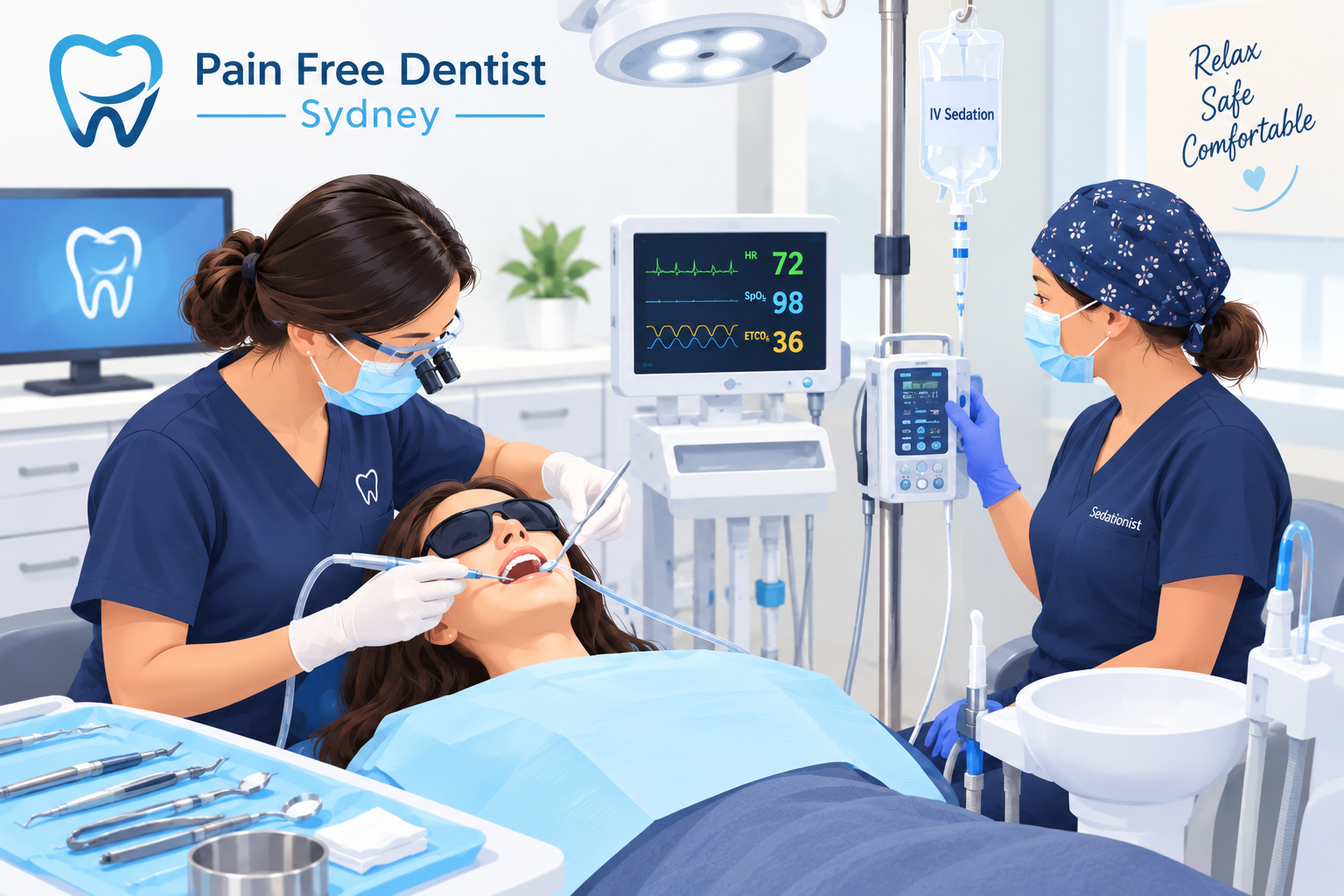
IV sedation dentistry offers another option for patients who experience dental anxiety or require more complex dental procedures. It can help make dental treatment more manageable by promoting a relaxed and comfortable state while allowing the dentist to carry out the necessary treatment.
What Is IV Sedation Dentistry?
Intravenous (IV) sedation is a technique where sedative medication is administered directly into a vein, usually through a small cannula in the arm or hand.
The medication works relatively quickly and helps patients feel deeply relaxed and less aware of their surroundings.
Unlike general anaesthesia, IV sedation does not usually mean that you are completely unconscious. Patients may remain responsive to verbal instructions, although they can feel drowsy and may have limited recollection of the procedure afterwards.
IV sedation is provided and monitored by an appropriately qualified sedation practitioner or anaesthetist, depending on the sedation arrangements.
Local anaesthetic is generally still used to numb the treatment area and prevent pain during dental procedures.
Who May Benefit from Dental IV Sedation?
IV sedation may be suitable for patients who:
Experience significant dental anxiety or dental phobia.
Have previously avoided dental treatment because of fear.
Require lengthy or multiple dental procedures.
Have a strong gag reflex that makes treatment difficult.
Feel uncomfortable with dental injections or surgical procedures.
Require wisdom tooth removal or complex extractions.
Are undergoing dental implant surgery.
Need extensive restorative or surgical dental treatment.
For patients who have delayed dental care for many years, sedation may provide an opportunity to address several dental concerns in a more manageable and controlled setting.
What Dental Procedures Can Be Performed Under IV Sedation?
Depending on your clinical needs, IV sedation may be considered for a range of dental procedures, including:
1. Dental Implants
Dental implant surgery can involve several stages, including implant placement and bone grafting. IV sedation may help patients feel more relaxed during these procedures.
2. Wisdom Tooth Removal
For patients who are anxious about surgical extraction, IV sedation may help make wisdom tooth removal a more comfortable experience.
3. Multiple Tooth Extractions
Patients requiring several teeth to be removed may benefit from sedation, particularly when treatment is lengthy.
4. Complex Dental Rehabilitation
Extensive dental treatment, including multiple restorations, crowns and other procedures, may sometimes be completed over fewer appointments where clinically appropriate.
5. Treatment for Severe Dental Anxiety
For patients who have avoided dental treatment because of fear, IV sedation may help them access the dental care they need.
Is IV Sedation the Same as General Anaesthesia?
No. Although both techniques involve medication to alter awareness, they are different.
With IV sedation, patients are generally relaxed and drowsy but may remain responsive. General anaesthesia involves a controlled state of unconsciousness and requires a different level of anaesthetic management.
The appropriate approach depends on the patient's medical history, anxiety level, treatment requirements and individual circumstances.
Is Dental IV Sedation Safe?
IV sedation is widely used in dentistry when patients are appropriately assessed and monitored.
However, like any medical procedure involving sedative medication, there are potential risks.
Before proceeding, patients should undergo a medical and dental assessment. This includes reviewing their medical conditions, current medications, allergies and previous experiences with sedation or anaesthesia.
During the procedure, appropriate monitoring is required, including assessment of oxygen levels, breathing, circulation and level of consciousness.
Patients must also follow pre-operative fasting instructions and arrange for a responsible adult to take them home afterwards. They should not drive, operate machinery or make important decisions for the period specified by their sedation practitioner, usually at least 24 hours.
What Happens After IV Sedation?
After treatment, patients are monitored while they recover from the sedative medication.
It is normal to experience some drowsiness, tiredness or temporary unsteadiness afterwards. Some patients may also remember very little about their dental procedure.
You should rest for the remainder of the day and follow the recovery instructions provided by your dental and sedation team.
Having someone available to assist you at home is important.
Dental Anxiety Should Never Stop You From Seeking Treatment
One of the biggest challenges in dentistry is not always the dental procedure itself. Sometimes, it is helping patients feel safe enough to walk through the clinic door.
We understand that dental anxiety can be deeply personal. Some patients have experienced painful dental treatment in the past, while others feel anxious simply because they do not know what to expect.
At Pain Free Dentist Sydney, we believe in taking the time to understand each patient's concerns, explaining treatment options and discussing suitable approaches to improving their dental experience.
Dr Lisa Chong provides dental care with an emphasis on patient comfort, communication and individualised treatment planning.
Where appropriate, IV sedation can be arranged with an experienced sedation practitioner, Dr Chow, for patients requiring additional support during dental treatment.
Whether you need wisdom tooth removal, dental implants, multiple extractions or extensive dental rehabilitation, we can discuss whether sedation may be suitable for you.
You do not have to let dental fear prevent you from looking after your oral health.
Book a Dental Consultation at Pain Free Dentist Sydney
If you have been putting off dental treatment because of anxiety or fear, speak with our team. We can assess your dental needs and discuss whether IV sedation is an appropriate option.
Pain Free Dentist Sydney – Dulwich Hill
Address: G1A, 570 New Canterbury Road, Hurlstone Park NSW 2193
Phone: 02 9558 8988
Email: info@painfreedentistsydney.com.au
Website: www.painfreedentistsydney.com.au