Pain Free Dentist Sydney | Dulwich Hill
Have you ever postponed a dental appointment because you were too frightened to sit in the dental chair? Perhaps you have avoided treatment for years, hoping that the toothache will disappear on its own. Or maybe the thought of dental injections, drilling or oral surgery makes your heart race.
You are certainly not alone.
For some people, dental anxiety is so overwhelming that even making an appointment can be difficult. A previous painful experience, fear of needles, a sensitive gag reflex or simply feeling uncomfortable during dental treatment can make visiting the dentist a stressful experience.
Unfortunately, delaying dental treatment does not usually make dental problems disappear. A small cavity can become a larger restoration, an infected tooth may require more complex treatment, and neglected dental problems can eventually affect your ability to eat, speak and smile comfortably.
But what if there were another way?
IV sedation dentistry offers an option for patients who need additional help relaxing during dental treatment.
At Pain Free Dentist Sydney, we understand that helping patients feel comfortable is just as important as addressing their dental concerns.
What Is Dental IV Sedation?
Imagine being able to undergo necessary dental treatment without experiencing the same level of anxiety that has prevented you from visiting the dentist.
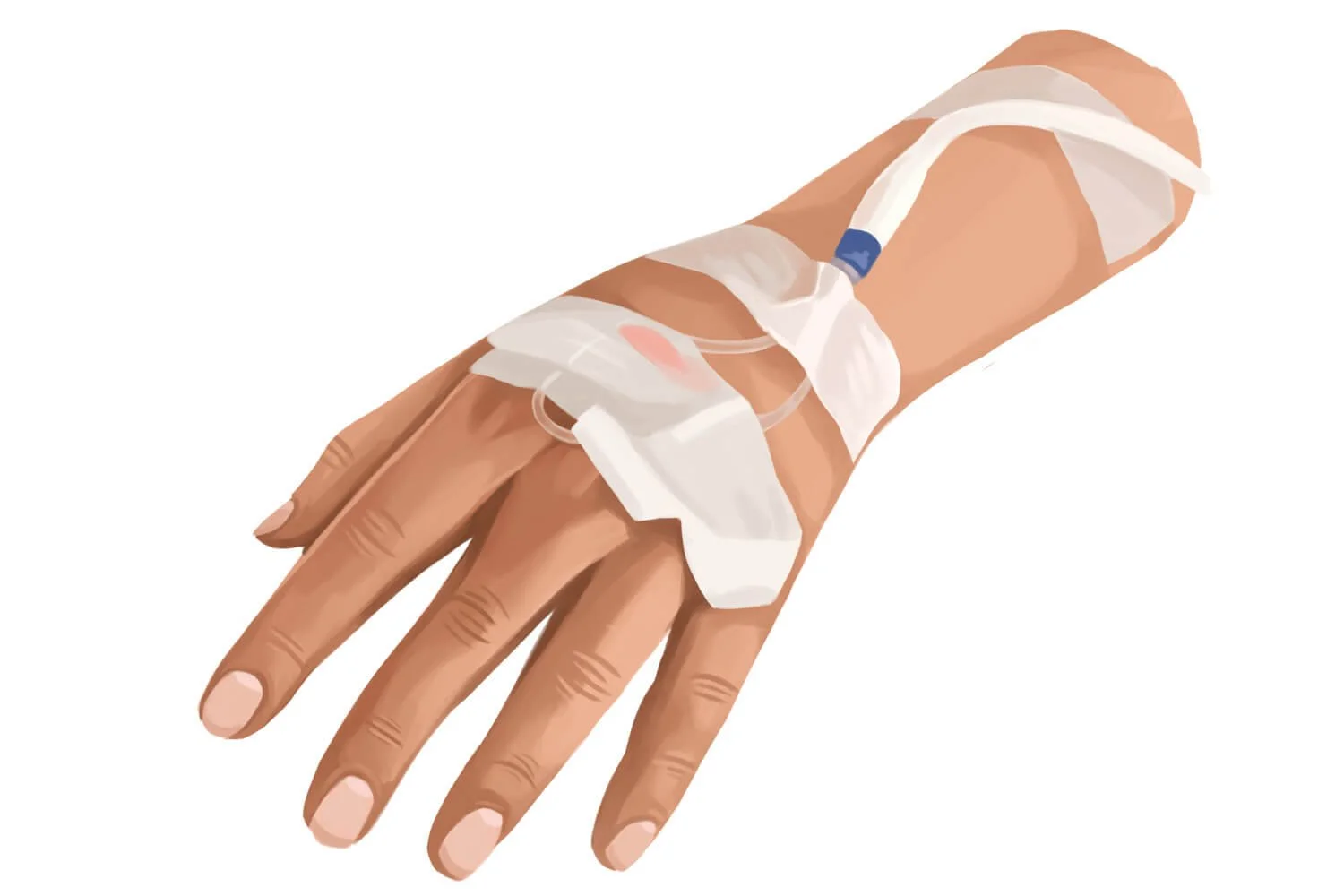
Intravenous (IV) sedation involves administering sedative medication through a small cannula inserted into a vein, usually in your arm or hand.
The medication works relatively quickly, helping you feel relaxed, drowsy and less aware of your surroundings.
Some patients describe the experience as though time has passed very quickly. Others remember very little about their treatment afterwards.
Unlike general anaesthesia, IV sedation does not usually make you completely unconscious. You may remain responsive to verbal instructions, depending on the level of sedation.
Local anaesthetic is still administered to numb the treatment area and minimise pain.
The purpose of IV sedation is to help make dental treatment a more manageable experience for suitable patients.
Who Needs IV Sedation?
Not every patient needs sedation, but for some people it can make an enormous difference.
You may wish to consider IV sedation if:
You have dental phobia: The thought of visiting a dentist causes significant fear or anxiety.
You have had a traumatic dental experience: Previous painful treatment has made you reluctant to seek further dental care.
You have a strong gag reflex: Dental instruments in your mouth make treatment particularly difficult.
You require lengthy treatment: Sitting in the dental chair for an extended period is uncomfortable or stressful.
You need oral surgery: You are concerned about procedures such as wisdom tooth removal, dental implants or multiple extractions.
You have difficulty relaxing: Even when you understand that treatment is necessary, you struggle to remain calm.
There is no need to feel embarrassed about dental anxiety. Everyone has different experiences, and your concerns deserve to be heard and respected.
What Dental Procedures Can Be Performed Under IV Sedation?
IV sedation may be considered for a variety of dental procedures, depending on your medical history and individual treatment requirements.
1. Dental Implant Surgery
Dental implants can be an excellent option for replacing missing teeth. However, some patients feel anxious about the surgical process, particularly when bone grafting or multiple implant placements are involved.
IV sedation may help suitable patients feel more relaxed throughout implant surgery.
2. Wisdom Tooth Removal
Impacted wisdom teeth can sometimes require surgical removal. For patients who are particularly nervous about oral surgery, sedation may make the experience more manageable.
3. Multiple Tooth Extractions
Some patients require several teeth to be removed as part of a larger dental treatment plan. IV sedation may help patients tolerate longer appointments.
4. Full Mouth Dental Rehabilitation
Patients requiring extensive restorative treatment, including multiple crowns, fillings and other procedures, may benefit from carefully planned treatment under sedation.
5. Treatment for Severe Dental Anxiety
For patients who have avoided dental care for many years, IV sedation may provide an opportunity to finally address their dental problems.
The treatment plan should always be individualised, with patient safety and clinical needs taking priority.
Will I Be Asleep During IV Sedation?
This is one of the most frequently asked questions.
The answer is that IV sedation is not necessarily the same as being asleep.
Most patients experience varying levels of relaxation and drowsiness. You may still be able to respond to instructions, but feel less aware of the treatment taking place.
Some patients have little recollection of their dental procedure afterwards, although this cannot be guaranteed.
It is important to understand that IV sedation does not replace local anaesthetic. Your dentist will still numb the treatment area to help prevent pain.
Is IV Sedation Safe?
Patient safety is always the priority.
IV sedation is an established method of helping suitable patients undergo dental treatment. However, like all procedures involving sedative medication, it carries potential risks.
Before treatment, your medical history, current medications, allergies and general health must be assessed.
During sedation, an appropriately qualified sedation practitioner monitors your condition, including your breathing, oxygen levels and circulation.
You will also receive instructions about fasting before the procedure, arranging someone to accompany you home and looking after yourself during recovery.
Not everyone is suitable for IV sedation, so a proper assessment is essential.
What Should I Expect After IV Sedation?
After treatment, you will be monitored while the effects of the medication gradually wear off.
It is normal to experience some tiredness, drowsiness or temporary unsteadiness.
You will need a responsible adult to take you home and assist you if necessary.
Patients are generally advised not to drive, operate machinery, drink alcohol or make important decisions for at least 24 hours, or for the longer period specified by their sedation practitioner.
Following your post-sedation instructions is important for a safe recovery.
Don't Allow Dental Anxiety to Control Your Oral Health
We understand that for some patients, walking into a dental clinic takes considerable courage.
Sometimes, the hardest part is not the treatment itself. It is overcoming the fear that has prevented you from seeking help.
At Pain Free Dentist Sydney, Dulwich Hill, Dr Lisa Chong believes in taking the time to understand each patient's concerns, explaining available treatment options and developing an appropriate treatment plan.
For patients who require additional support, IV sedation can be arranged with Dr Chow, subject to individual assessment and suitability.
Whether you require dental implants, wisdom tooth removal, multiple extractions or extensive dental rehabilitation, we can discuss whether IV sedation may be appropriate.
Our aim is to help you feel informed, supported and more comfortable throughout your dental journey.
You deserve to receive dental care without feeling that fear has to stand in your way.
Book a Consultation at Pain Free Dentist Sydney
If dental anxiety has been preventing you from looking after your teeth, take the first step by speaking with our team.
We are happy to discuss your concerns and help you understand the available options.
Pain Free Dentist Sydney – Dulwich Hill
Address: G1A, 570 New Canterbury Road, Hurlstone Park NSW 2193
Phone: 02 9558 8988
Email: info@painfreedentistsydney.com.au
Website: https://painfreedentistsydney.com.au