Wisdom teeth removal can be stressful, particularly if you feel anxious about dental procedures or have concerns about discomfort during surgery. For some patients, IV sedation (intravenous sedation) may help make wisdom teeth removal a more relaxed and manageable experience.
At Pain Free Dentist Sydney in Dulwich Hill, we understand that every patient has different needs. IV sedation may be considered for suitable patients, depending on their dental condition, medical history and the complexity of the procedure.
What Are Wisdom Teeth?
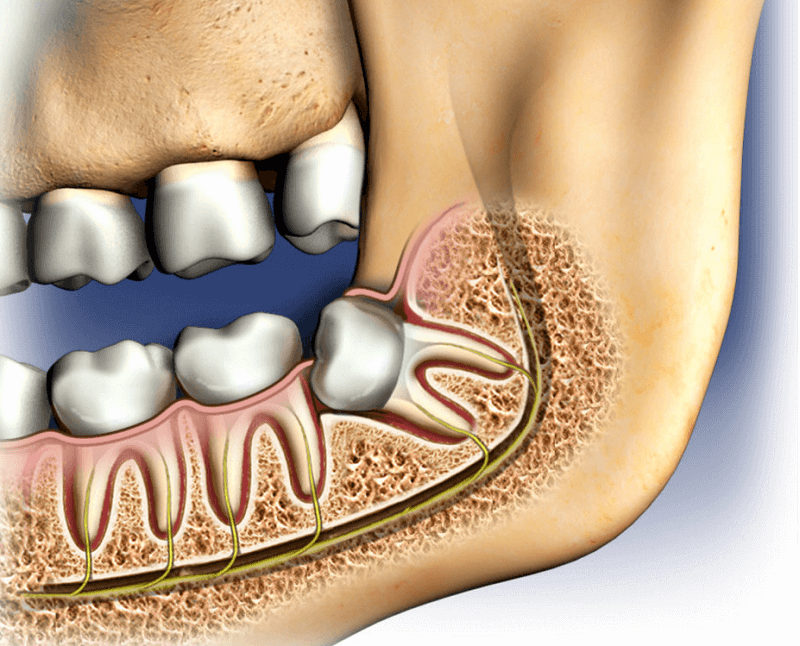
Wisdom teeth are the third molars, usually the last teeth to develop at the back of the mouth. They commonly emerge during the late teenage years or early adulthood.
Sometimes, there is insufficient space for wisdom teeth to erupt properly. They may become impacted, grow at an angle or remain partially covered by gum tissue.
This can contribute to:
Pain or pressure at the back of the jaw
Swollen or inflamed gums
Repeated infections around partially erupted teeth
Food trapping and difficulty cleaning
Tooth decay affecting wisdom teeth or neighbouring molars
Damage to adjacent teeth in some cases
Not every wisdom tooth needs to be removed. A dental examination and appropriate imaging help determine whether removal is recommended.
What Is IV Sedation for Wisdom Teeth Removal?
IV sedation involves administering sedative medication through a small intravenous line, usually placed in the arm or hand.
The medication helps reduce anxiety and produces a relaxed, drowsy state. Patients may feel less aware of the procedure and may have limited memory of what happened.
It is important to understand that IV sedation is not the same as general anaesthesia. With IV sedation, patients are generally still conscious and able to respond to instructions, although they may feel very sleepy.
Local anaesthetic is also used to numb the treatment area so that the dentist can perform the procedure comfortably.
Why Consider IV Sedation for Wisdom Teeth Removal?
IV sedation may be suitable for patients who:
Feel nervous or anxious about dental treatment
Have had difficult dental experiences in the past
Need multiple wisdom teeth removed
Require a more complex surgical extraction
Have difficulty tolerating lengthy dental procedures
Prefer additional support in managing dental anxiety
The suitability of sedation is assessed individually. It is not necessary for every wisdom tooth extraction.
What Happens During Wisdom Teeth Removal Under IV Sedation?
ABC DENTAL NOW OFFERING 3D X-RAY | ABC Dental
Sedation Matters — Resuscitation Matters
Dłutowanie zęba − sposób na pozbycie się ósemki | drmax.pl | Dr. Max
7
1. Initial consultation and assessment
Your dentist will examine your teeth, gums and jaw. Dental X-rays or other imaging may be required to assess the position of the wisdom teeth and their relationship to nearby structures.
2. Sedation assessment
Your medical history, medications, allergies and previous experiences with sedation will be reviewed. The sedation practitioner will determine whether IV sedation is appropriate and explain the preparation requirements.
3. Administration of IV sedation
An intravenous line is placed, and the sedative medication is administered by the qualified sedation practitioner. Your vital signs are monitored throughout the procedure.
4. Local anaesthetic and tooth removal
Local anaesthetic is used to numb the area. Depending on the position of the wisdom tooth, removal may involve a straightforward extraction or a surgical approach.
5. Recovery and discharge
After treatment, you will be monitored while the sedation wears off. You will need a responsible adult to accompany you home and follow the post-sedation instructions. You must not drive or make important decisions for the period specified by your sedation practitioner, usually at least 24 hours.
What Is Recovery Like After Wisdom Teeth Removal?
Some swelling, tenderness, bruising and limited mouth opening are common after wisdom teeth surgery. Recovery varies depending on the number of teeth removed and the complexity of the extraction.
To support healing:
Follow the post-operative instructions provided by your dental team.
Eat soft foods initially and gradually return to your usual diet.
Avoid smoking and vaping during healing.
Avoid vigorous rinsing or spitting during the initial recovery period.
Keep the area clean as instructed.
Take prescribed or recommended medication according to directions.
Contact your dental team if you experience worsening pain, persistent bleeding, fever, increasing swelling or difficulty swallowing or breathing. Difficulty breathing or swallowing requires urgent medical attention.
Is IV Sedation Safe?
IV sedation is commonly used in dentistry for appropriately selected patients. However, like any medical procedure, it carries risks.
A thorough medical assessment is essential. Sedation should be provided by an appropriately qualified practitioner, with suitable monitoring and emergency equipment available.
Patients should disclose all medications, medical conditions, allergies and relevant previous reactions to sedation. Fasting and medication instructions must be followed carefully.
Frequently Asked Questions
Can I have all four wisdom teeth removed under IV sedation?
In suitable cases, multiple wisdom teeth can be removed during one appointment. The decision depends on their position, surgical complexity, medical history and the sedation assessment.
Will I feel pain during the procedure?
IV sedation helps you feel relaxed, while local anaesthetic numbs the treatment area. You may feel pressure or movement, but the aim is to manage discomfort appropriately throughout the procedure.
Will I be asleep?
You will generally be conscious but drowsy. Some patients remember very little of the procedure. IV sedation is different from general anaesthesia.
Can I drive home afterwards?
No. You must arrange for a responsible adult to accompany you home and follow the sedation practitioner's instructions. Do not drive yourself.
Does everyone need IV sedation for wisdom teeth removal?
No. Many wisdom teeth can be removed using local anaesthetic alone. IV sedation is an option for selected patients based on their needs and clinical circumstances.
Wisdom Teeth Removal Under IV Sedation in Dulwich Hill, Sydney
If you are experiencing wisdom tooth pain or have been advised to have your wisdom teeth removed, an assessment can help determine the most appropriate treatment approach.
At Pain Free Dentist Sydney, Dr Lisa Chong focuses on understanding each patient's concerns and discussing suitable treatment options. For patients who may benefit from additional support, IV sedation can be considered following an appropriate assessment and coordination with the sedation practitioner.
Contact Pain Free Dentist Sydney
Location: Dulwich Hill, Sydney
Phone: 02 9558 8988
Email: info@painfreedentistsydney.com.au
Website: painfreedentistsydney.com.au