Healthy gums are essential for maintaining healthy teeth and a confident smile. However, many people overlook the early warning signs of gum disease, assuming that bleeding gums or mild inflammation are normal. In reality, these symptoms may indicate gingivitis, the earliest stage of gum disease.
The good news is that gingivitis is generally reversible with appropriate dental care, good oral hygiene and early intervention. Recognising the symptoms and seeking professional dental advice can help prevent the condition from progressing into more serious periodontal disease.
What Is Gingivitis?
Gingivitis is inflammation of the gums, usually caused by the accumulation of dental plaque along the gumline.
Plaque is a sticky, colourless film containing bacteria that constantly forms on the surfaces of teeth. When plaque is not removed effectively through brushing and flossing, bacteria can irritate the surrounding gum tissue, causing inflammation.
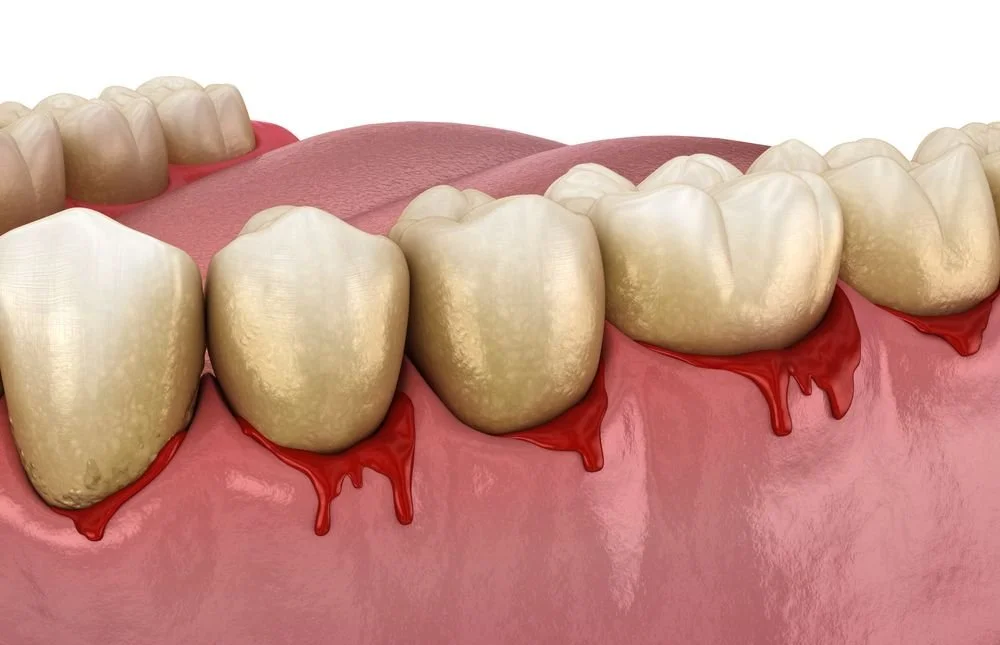
As the condition develops, the gums may become red, swollen and more likely to bleed during brushing or flossing.
Unlike advanced gum disease, gingivitis does not usually involve permanent damage to the supporting bone around the teeth. With early treatment and improved oral hygiene, the gums can often return to a healthy condition.
What Are the Common Signs and Symptoms of Gingivitis?
Gingivitis can develop gradually, and some people may not experience discomfort during its early stages.
Common warning signs include:
Bleeding gums: Gums bleed during brushing, flossing or eating.
Red or swollen gums: Healthy gums are generally firm and pale pink, while inflamed gums may appear red, puffy or tender.
Persistent bad breath: Bacterial accumulation can contribute to unpleasant breath.
Gum tenderness: The gums may feel sensitive when touched or when brushing.
Changes around the gumline: The gums may appear swollen or slightly enlarged.
It is important not to ignore bleeding gums. Although occasional bleeding can have different causes, persistent bleeding should be assessed by a dental professional.
What Causes Gingivitis?
The primary cause of gingivitis is dental plaque accumulation. However, several factors can increase the likelihood of developing gum inflammation.
1. Inadequate oral hygiene
Insufficient brushing and flossing allow plaque to accumulate around the teeth, particularly between teeth and along the gumline.
2. Smoking and tobacco use
Smoking can affect gum health, impair the body's healing response and increase the risk of periodontal disease.
3. Hormonal changes
Hormonal fluctuations during pregnancy, puberty and menopause can make gum tissue more sensitive to bacterial irritation.
4. Diabetes
Uncontrolled diabetes can affect the body's ability to manage inflammation and fight infections, increasing the risk of gum disease.
5. Certain medications
Some medications can contribute to gum enlargement, dry mouth or changes in the body's response to plaque.
6. Poorly fitting dental restorations
Dental fillings, crowns or other restorations with unsuitable contours or margins may make plaque removal more difficult.
Can Gingivitis Develop into Periodontitis?
Yes. If gingivitis is left untreated, it can progress to periodontitis, a more advanced form of gum disease.
In periodontitis, inflammation affects the supporting structures of the teeth, including the periodontal ligament and surrounding bone.
As the condition progresses, patients may experience:
Gum recession.
Deep periodontal pockets.
Persistent gum infection.
Bone loss around the teeth.
Loose or shifting teeth.
Increased risk of eventual tooth loss.
The important distinction is that gingivitis is generally reversible, whereas the bone and supporting tissue damage associated with periodontitis may be permanent.
Early diagnosis and professional dental care are therefore essential.
How Is Gingivitis Diagnosed?
A dental examination allows the dentist to assess the condition of your gums and identify early signs of inflammation.
During the assessment, your dentist may:
Examine the colour, shape and consistency of your gums.
Check for bleeding and inflammation.
Measure periodontal pocket depths around the teeth.
Identify plaque and hardened tartar deposits.
Assess existing dental restorations and areas where plaque may accumulate.
Recommend dental X-rays when clinically indicated to evaluate supporting bone levels.
A comprehensive assessment helps determine whether the inflammation is limited to gingivitis or whether more advanced periodontal disease is present.
How Is Gingivitis Treated?
Treatment focuses on removing the bacterial deposits responsible for gum inflammation and improving daily oral hygiene.
Professional dental cleaning
A professional scale and clean removes plaque and hardened calculus (tartar) that cannot be effectively removed through ordinary brushing.
Improved brushing techniques
Brushing twice daily with a soft-bristled toothbrush and fluoride toothpaste helps remove plaque and maintain healthy gums. Pay particular attention to the gumline.
Daily flossing or interdental cleaning
Cleaning between the teeth is essential because toothbrush bristles cannot adequately reach every surface. Dental floss or appropriately sized interdental brushes can help remove trapped food particles and plaque.
Antibacterial mouthwash when appropriate
In selected cases, your dentist may recommend an antibacterial mouthwash as an additional measure. It should not replace brushing, flossing or professional cleaning.
Regular dental reviews
Follow-up appointments allow your dentist to monitor gum health, assess improvements and identify any areas requiring further attention.
How Can You Prevent Gingivitis?
Prevention is often much easier than treating established gum disease.
A consistent oral hygiene routine can significantly reduce your risk of developing gingivitis.
We recommend:
Brush your teeth twice daily for two minutes.
Use fluoride toothpaste.
Clean between your teeth every day.
Replace your toothbrush regularly.
Avoid smoking and tobacco products.
Maintain a balanced diet and limit frequent sugary snacks.
Attend regular dental examinations and professional cleans.
Seek dental advice if your gums bleed persistently.
Remember, healthy gums should not routinely bleed when you brush or floss.
Does Gingivitis Cause Bad Breath?
Yes. Gingivitis can contribute to persistent bad breath because bacteria accumulate in dental plaque and release unpleasant-smelling compounds.
However, bad breath does not always originate from the gums. Other possible causes include tongue coating, tooth decay, dry mouth, dental infections and certain medical conditions.
If you experience persistent bad breath despite maintaining good oral hygiene, a dental examination can help identify the underlying cause.
When Should You See a Dentist?
You should arrange a dental assessment if you notice persistent gum bleeding, swelling, redness, tenderness or ongoing bad breath.
Do not wait until your teeth become loose or painful. Gum disease can progress without significant discomfort, which means regular dental examinations are particularly important.
At Pain Free Dentist Sydney, Dulwich Hill, we understand that dental concerns can sometimes cause anxiety. Our approach focuses on gentle assessment, clear communication and treatment recommendations based on your individual oral health needs.
Our aim is to help you maintain healthy gums, preserve your natural teeth and prevent avoidable dental complications.
Healthy Gums Are the Foundation of a Healthy Smile
Gingivitis is an early warning sign that your gums need attention. Fortunately, with early diagnosis, professional cleaning and consistent home care, gum inflammation can often be reversed before permanent damage occurs.
Looking after your gums is just as important as looking after your teeth. A healthy smile begins with healthy gums.
Concerned about bleeding or swollen gums?
Contact Pain Free Dentist Sydney in Dulwich Hill to arrange a dental examination.
Pain Free Dentist Sydney – Dr Lisa Chong
Phone: 02 9558 8988
Email: info@painfreedentistsydney.com.au
Website: https://painfreedentistsydney.com.au