SEO-Optimised Dental Blog | Pain Free Dentist Sydney – Dulwich Hill
What Is ANUG?
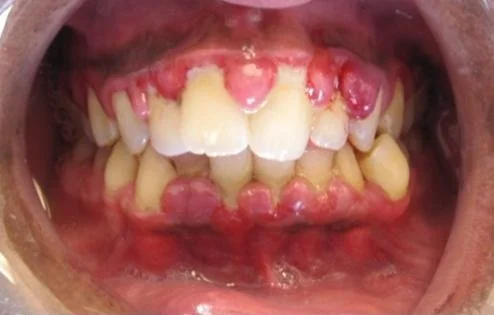
Acute Necrotising Ulcerative Gingivitis (ANUG), also known as trench mouth, is a severe form of gum infection characterised by sudden inflammation, painful ulceration and destruction of the gum tissue. Unlike ordinary gingivitis, ANUG can develop rapidly and cause significant discomfort, bleeding and bad breath.
The condition commonly affects the gum tissue between the teeth, which may become swollen, ulcerated and covered with a greyish-white membrane. In some cases, the gum tissue may appear to have small areas of tissue breakdown or necrosis.
ANUG requires prompt dental assessment because the infection can progress and, if left untreated, may cause more extensive damage to the surrounding gum tissues.
What Causes ANUG?
ANUG is associated with an overgrowth of harmful bacteria in the mouth, particularly anaerobic bacteria and fusiform bacteria and spirochaetes.
Several factors can increase the risk of developing ANUG, including:
Poor oral hygiene: Accumulation of plaque and bacteria around the gum margins.
Stress and fatigue: Physical and emotional stress may affect the body's immune response.
Smoking: Tobacco use can compromise gum health and the body's ability to fight infection.
Weakened immune system: Certain medical conditions or medications may increase susceptibility to infections.
Nutritional deficiencies: Inadequate nutrition may affect the body's ability to maintain healthy gum tissues.
Existing gum disease: Untreated gingivitis and periodontal problems can contribute to poor gum health.
ANUG is not simply caused by poor brushing. It is a multifactorial condition involving bacterial activity and the body's immune response.
Common Signs and Symptoms of ANUG
ANUG often develops suddenly, and symptoms can be considerably more painful than those associated with ordinary gingivitis.
Common warning signs include:
Severe gum pain: The gums may become extremely tender, making brushing, eating and drinking uncomfortable.
Bleeding gums: Spontaneous bleeding or bleeding with minimal contact.
Ulcerated gum tissue: Small ulcers and tissue destruction, particularly between the teeth.
Persistent bad breath: A strong and unpleasant odour caused by bacterial activity.
Greyish-white gum appearance: A characteristic membrane may cover areas of damaged gum tissue.
Metallic taste: Some patients experience an unpleasant taste in their mouth.
Swollen lymph nodes: Lymph nodes around the jaw and neck may become tender or enlarged.
Fever and general discomfort: More severe infections may cause systemic symptoms.
If you experience sudden gum pain, bleeding and persistent bad breath, it is important to arrange a dental examination promptly.
How Is ANUG Diagnosed?
A dentist will examine the gums, teeth and surrounding oral tissues to identify characteristic signs of infection and tissue destruction.
The assessment may include:
Examination of gum inflammation and ulceration.
Assessment of plaque and calculus accumulation.
Evaluation of periodontal pocketing and existing gum disease.
Review of medical history, medications, smoking habits and general health.
Dental X-rays where clinically indicated to assess supporting bone and underlying dental problems.
Early diagnosis helps distinguish ANUG from other periodontal infections and oral conditions that may present with similar symptoms.
How Is ANUG Treated?
Treatment aims to control the infection, relieve discomfort, remove bacterial deposits and allow the gum tissues to heal.
Depending on the severity of the condition, treatment may involve:
1. Professional dental cleaning
Gentle removal of plaque, bacterial deposits and debris from affected areas is an important part of treatment. Extensive cleaning may be staged depending on the patient's comfort and clinical condition.
2. Antimicrobial mouthwash
An antiseptic mouthwash, such as chlorhexidine, may be recommended for a limited period to help reduce bacterial accumulation.
3. Antibiotics when necessary
Antibiotics may be considered when there are systemic symptoms, spreading infection or other clinical indications. They are not routinely required in every case of ANUG.
4. Pain management
Appropriate pain relief may be recommended to help patients manage discomfort while the gum tissues recover.
5. Improved oral hygiene
Once the acute pain and inflammation begin to settle, patients should gradually return to gentle brushing and appropriate interdental cleaning.
6. Follow-up periodontal assessment
Regular reviews are important to monitor healing, assess any remaining tissue damage and identify underlying periodontal disease.
Can ANUG Cause Permanent Gum Damage?
Yes. If ANUG is severe or left untreated, it can cause destruction of the gum tissue between the teeth. In more advanced cases, the infection may extend into deeper periodontal structures and cause significant tissue damage.
Some patients may develop permanent changes in gum contours, including loss of the normal gum tissue between teeth.
This is why early professional assessment and appropriate treatment are important.
How Can You Prevent ANUG?
Maintaining good oral hygiene and general health can help reduce the risk of developing ANUG.
We recommend:
Brush twice daily using a soft-bristled toothbrush.
Clean between your teeth regularly.
Attend routine dental examinations and professional cleans.
Avoid smoking and tobacco products.
Maintain a balanced and nutritious diet.
Manage stress and prioritise adequate rest.
Seek dental attention if you notice sudden gum bleeding, pain or persistent bad breath.
When Should You See a Dentist?
ANUG should not be ignored or treated as ordinary gum inflammation. Sudden gum ulceration, severe pain, spontaneous bleeding and persistent foul-smelling breath warrant urgent dental assessment.
If you develop facial swelling, difficulty swallowing, difficulty breathing or significant systemic illness, seek emergency medical attention.
At Pain Free Dentist Sydney in Dulwich Hill, we understand that painful dental conditions can be distressing. Our approach focuses on careful assessment, patient comfort and appropriate treatment planning to help restore your oral health.
If you are experiencing painful, bleeding or ulcerated gums, contact our dental team to arrange an assessment.
Pain Free Dentist Sydney – Dulwich Hill
Phone: 02 9558 8988
Email: info@painfreedentistsydney.com.au
Website: https://painfreedentistsydney.com.au
Early treatment can make an important difference in protecting your gum health.