SEO-Optimised Dental Blog | Pain Free Dentist Sydney – Dulwich Hill
What Is TMJ Disorder?
Temporomandibular Joint Disorder (TMJ disorder), commonly referred to as TMD, describes a group of conditions affecting the temporomandibular joints, the muscles responsible for jaw movement and the surrounding structures.
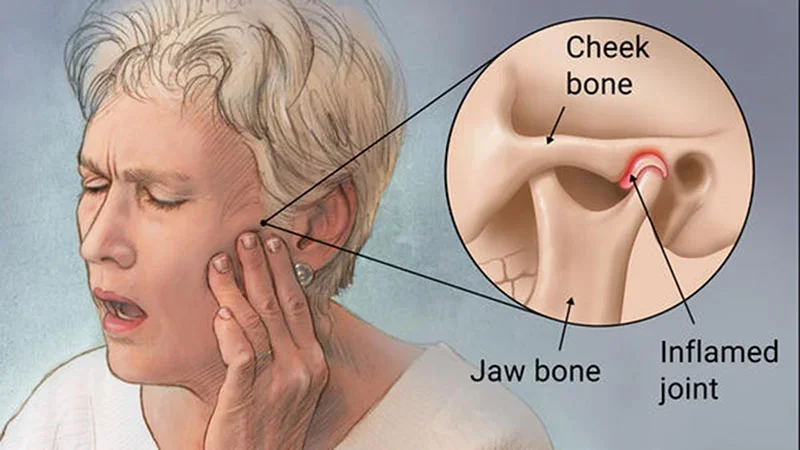
The temporomandibular joints are located on either side of the face, just in front of the ears. They connect the lower jaw (mandible) to the skull and allow us to perform essential everyday activities such as chewing, speaking, yawning and opening our mouths.
When these joints, their supporting muscles or associated structures become irritated or dysfunctional, patients may experience jaw pain, clicking sounds, headaches, facial tension and difficulty opening their mouths.
TMJ disorders can be complex and multifactorial. Symptoms may develop gradually or appear following an injury, prolonged muscle tension, teeth clenching or changes in jaw function.
What Are the Common Symptoms of TMJ Disorder?
TMJ disorder does not always present as jaw pain alone. Many patients experience symptoms involving the head, face, neck and shoulders.
Common symptoms include:
Jaw pain: Discomfort around the jaw joints, particularly when chewing or opening the mouth.
Jaw clicking and popping: Sounds when opening or closing the mouth, sometimes accompanied by discomfort.
Teeth grinding and clenching: Excessive activity of the jaw muscles, particularly during sleep.
Headaches and migraines: Muscle tension and jaw dysfunction may contribute to recurring headaches.
Facial muscle pain: Tenderness around the cheeks, temples and jaw muscles.
Limited mouth opening: Difficulty opening the mouth fully or a sensation that the jaw is restricted.
Jaw locking: The jaw may temporarily become stuck in an open or closed position.
Ear-related symptoms: Some patients report ear discomfort, fullness or tinnitus.
Neck and shoulder tension: Associated muscle pain and postural issues may coexist with TMJ dysfunction.
Not everyone with clicking sounds has a TMJ disorder requiring treatment. A proper clinical assessment is important to determine whether the symptoms are associated with joint dysfunction, muscle pain or another condition.
What Causes TMJ Disorder?
TMJ disorders are often caused by a combination of contributing factors rather than one isolated problem.
Some common contributing factors include:
1. Teeth Grinding and Clenching (Bruxism)
Repeated grinding and clenching can overload the jaw muscles and temporomandibular joints. Many patients clench unconsciously during sleep or periods of concentration and stress.
Over time, excessive muscle activity may contribute to facial soreness, morning headaches, tooth wear and jaw discomfort.
2. Bite Imbalance and Changes in Jaw Function
Changes in the way the upper and lower teeth contact each other may influence chewing patterns and jaw muscle activity.
However, bite irregularities are not necessarily the cause of TMJ disorders, and treatment should never be based on bite correction alone without a comprehensive assessment.
3. Stress and Emotional Tension
Stress can contribute to unconscious jaw clenching, increased muscle activity and poor sleep quality.
Patients experiencing prolonged stress may develop persistent tension in the masseter and temporalis muscles, which can contribute to facial pain and headaches.
4. Previous Trauma or Whiplash Injuries
Previous accidents, facial injuries and whiplash may contribute to symptoms involving the jaw, neck and surrounding muscles.
Some patients experience jaw discomfort alongside chronic neck and shoulder tension following an injury.
5. Muscle Dysfunction
The muscles responsible for jaw movement can become overworked, tender and painful. Myofascial pain involving the masseter, temporalis and other associated muscles may contribute significantly to TMJ symptoms.
6. Joint Disc Displacement and Arthritis
The temporomandibular joint contains a small disc that helps facilitate smooth jaw movement. Changes in the position or movement of this disc can produce clicking, popping or restricted jaw movement.
Arthritis and degenerative joint changes may also contribute to pain and reduced function.
Is There a Connection Between TMJ Disorder, Neck Pain and Shoulder Pain?
Yes. TMJ disorders can coexist with chronic neck and shoulder discomfort.
The jaw, head and neck muscles work together to support head movement, posture and everyday function. The muscles of mastication also interact functionally with the cervical and upper shoulder musculature.
When the jaw muscles remain tense or overactive, patients may experience associated discomfort around the temples, face, neck and shoulders.
Some patients with chronic headaches and neck pain may also have underlying jaw muscle dysfunction or teeth grinding.
However, neck and shoulder pain can have many causes. A comprehensive assessment may help determine whether TMJ dysfunction is contributing to the symptoms or whether additional medical and musculoskeletal investigations are necessary.
How Is TMJ Disorder Diagnosed?
A proper diagnosis begins with a detailed clinical assessment rather than simply identifying clicking sounds or jaw pain.
At Pain Free Dentist Sydney, an assessment may include:
Detailed medical and dental history.
Evaluation of jaw movement and maximum mouth opening.
Assessment of jaw joint clicking, popping and locking.
Examination of masseter and temporalis muscle tenderness.
Evaluation of teeth grinding, clenching and tooth wear.
Assessment of dental contacts and bite function.
Review of previous injuries, headaches and associated neck discomfort.
Dental imaging or CBCT when clinically indicated.
Review of existing MRI scans where available and relevant to the clinical question.
In selected cases, MRI may be useful for assessing the position and condition of the joint disc and other soft tissue structures.
The objective is to identify the likely contributing factors and develop an appropriate individualised treatment plan.
What Are the Treatment Options for TMJ Disorder?
TMJ treatment depends on the underlying diagnosis, severity of symptoms and individual patient circumstances.
Treatment is generally conservative initially, with more invasive interventions considered only when clinically justified.
1. Occlusal Splint Therapy
A professionally designed occlusal splint may help protect the teeth from excessive grinding and provide a controlled appliance for managing certain forms of jaw muscle and joint discomfort.
Splint therapy requires careful assessment, fitting and ongoing monitoring. Adjustments may be necessary as symptoms and jaw function change.
2. Jaw Muscle Relaxation and Myofascial Therapy
Patients with significant muscle tension may benefit from appropriate myofascial therapy or physiotherapy.
Treatment may focus on the masseter, temporalis, neck and associated muscles to help improve comfort and function.
3. Physiotherapy
A physiotherapist experienced in temporomandibular disorders may provide exercises, movement rehabilitation and management strategies for associated cervical muscle dysfunction.
4. Lifestyle and Behavioural Management
Simple changes may help reduce unnecessary loading of the jaw:
Avoid chewing gum excessively.
Reduce hard or chewy foods during painful flare-ups.
Avoid consciously clenching your teeth.
Keep your jaw relaxed when not eating or speaking.
Consider stress-management techniques.
Maintain good sleep habits.
Follow appropriate jaw exercises if recommended by your treating clinician.
5. Botulinum Toxin Treatment
In selected patients with persistent jaw muscle pain or excessive muscle activity, botulinum toxin may be considered following an appropriate assessment.
It may temporarily reduce muscle activity in targeted areas. However, it is not a universal treatment for TMJ disorders, and potential benefits, limitations and risks should be discussed before proceeding.
6. Multidisciplinary Management
TMJ disorders can involve dental, muscular, neurological and musculoskeletal factors.
Depending on the patient's presentation, management may involve collaboration between dentists, physiotherapists, medical practitioners, pain specialists and other relevant healthcare professionals.
Can TMJ Disorder Become Chronic?
Yes. Some patients experience intermittent symptoms, while others develop persistent jaw pain, headaches, muscle tenderness and restricted movement.
Chronic symptoms may be influenced by several interacting factors, including:
Long-term teeth grinding and clenching.
Persistent muscle overactivity.
Previous injuries.
Poor sleep and stress.
Joint degeneration.
Coexisting neck and musculoskeletal conditions.
Early assessment can help identify contributing factors and reduce the risk of prolonged discomfort and functional limitations.
When Should You See a Dentist for TMJ Disorder?
You should consider a dental assessment if you experience:
Persistent jaw pain or tenderness.
Frequent headaches associated with jaw tension.
Clicking or popping accompanied by pain.
Difficulty opening your mouth.
Recurrent jaw locking.
Excessive teeth grinding or clenching.
Tooth wear associated with bruxism.
Facial, neck or shoulder discomfort occurring alongside jaw symptoms.
Sudden jaw locking, significant swelling, fever, facial trauma or severe unexplained pain requires prompt medical or dental assessment.
Comprehensive TMJ Assessment at Pain Free Dentist Sydney
At Pain Free Dentist Sydney in Dulwich Hill, we understand that TMJ disorders can affect more than just the jaw. Persistent jaw discomfort, headaches, teeth grinding and associated muscle tension can interfere with eating, speaking, sleeping and everyday activities.
Dr Lisa Chong takes a comprehensive approach to assessing jaw function, muscle activity, bite relationships and relevant contributing factors.
Treatment recommendations are individualised, with an emphasis on careful assessment, patient education, informed consent and appropriate conservative management.
If you are experiencing ongoing jaw pain, headaches, teeth grinding or difficulty opening your mouth, we welcome you to arrange a TMJ assessment.
Pain Free Dentist Sydney – Dulwich Hill
Phone: 02 9558 8988
Email: info@painfreedentistsydney.com.au
Website: https://painfreedentistsydney.com.au
Understanding the cause of your symptoms is an important first step towards better jaw function and improved quality of life.