
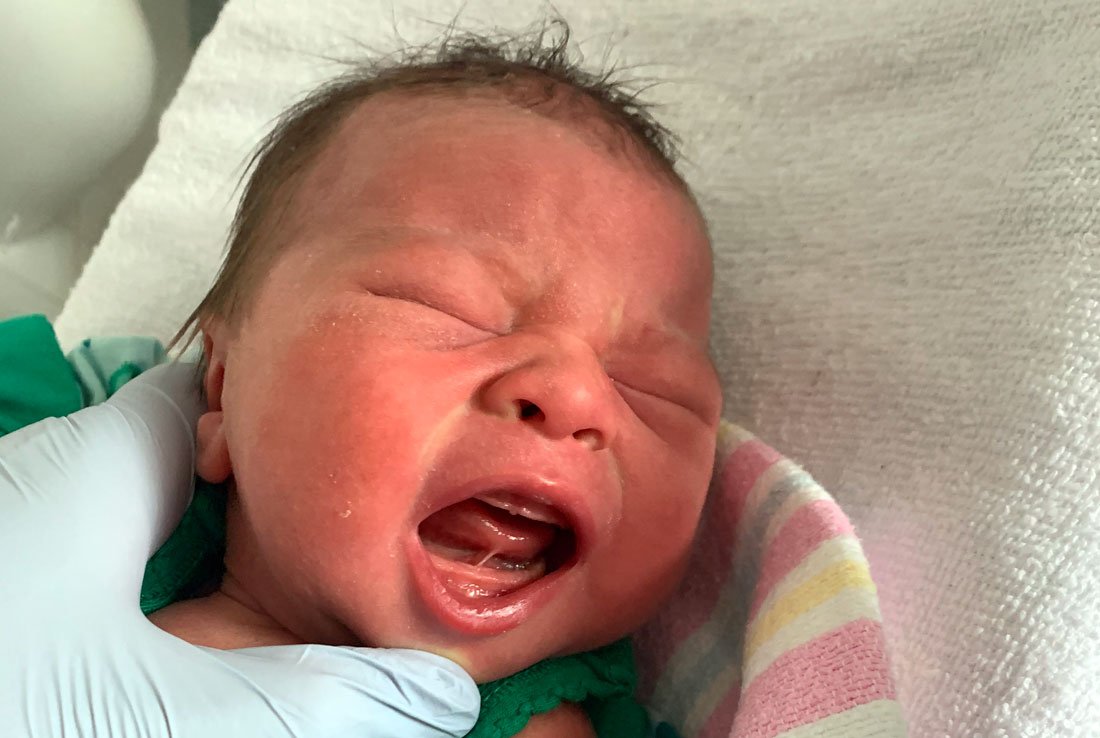
A baby's early development is an important journey, and feeding is one of the first essential milestones. While many parents focus on breastfeeding techniques, milk supply and their baby's weight gain, one factor that is sometimes overlooked is tongue tie and lip tie (oral restrictions).
Understanding these conditions can help parents recognise potential feeding difficulties early and seek an appropriate professional assessment when needed.
What Is Baby Tongue Tie?
Tongue tie, medically known as ankyloglossia, is a condition where the lingual frenulum – the small piece of tissue connecting the underside of the tongue to the floor of the mouth – restricts the tongue's movement.
In some babies, this tissue is unusually tight, short or restrictive. This may affect how freely the baby can lift, extend or move the tongue.
The tongue plays an important role in breastfeeding. It helps the baby create an effective seal, maintain suction and coordinate the movements needed to transfer milk efficiently.
When tongue movement is restricted, some babies may experience difficulties with breastfeeding or bottle feeding.
What Is Baby Lip Tie?
A lip tie occurs when the tissue connecting the upper lip to the gum (the upper labial frenulum) restricts the movement of the upper lip.
Some babies have a prominent upper lip frenulum, but its appearance alone does not mean treatment is necessary.
If the lip cannot move comfortably or independently enough for effective feeding, it may warrant further assessment.
It is important for parents to understand that not every visible tongue or lip frenulum causes a functional problem.
Signs Parents Should Look Out For
Tongue tie and lip tie can sometimes be associated with feeding difficulties. However, these symptoms can also have other causes, which is why a proper assessment is important.
Some signs parents may notice include:
Difficulty attaching or latching onto the breast.
Frequent loss of suction during feeding.
Clicking sounds while breastfeeding or bottle feeding.
Prolonged feeding sessions.
Milk leaking from the sides of the mouth.
Poor milk transfer or difficulty maintaining feeding.
Excessive gassiness or frustration during feeds.
Difficulty gaining weight appropriately.
Maternal nipple pain, compression or trauma during breastfeeding.
Frequent feeding or appearing unsettled after feeds.
Parents should also remember that some babies with restricted tongue movement may feed without obvious difficulties.
Why Is Early Education Important for Parents?
Many parents are unfamiliar with tongue tie and lip tie until they encounter breastfeeding difficulties. Some may spend weeks trying different feeding positions, bottles or breastfeeding techniques without understanding that restricted oral movement could be one contributing factor.
Education is important because it helps parents:
1. Recognise potential feeding difficulties early
Understanding the signs can help parents seek support rather than assuming that feeding difficulties are simply part of having a newborn.
2. Understand the importance of tongue function
The tongue is not just important for feeding. It also plays a role in swallowing, oral movements and the development of normal oral functions.
3. Seek an appropriate professional assessment
An experienced healthcare professional can assess tongue mobility, oral anatomy and feeding function. A lactation consultant, paediatrician, GP or appropriately trained dental professional may form part of the assessment team.
4. Avoid unnecessary treatment
Not every baby with a visible frenulum needs a procedure. Treatment decisions should be based on functional difficulties, a comprehensive assessment and consideration of other possible causes.
5. Make informed decisions
Parents deserve clear explanations about the condition, available management options, potential benefits, limitations and risks before consenting to any treatment.
Does Every Baby With Tongue Tie Need a Frenectomy?
No. This is one of the most important things parents should understand.
A frenectomy or frenotomy involves releasing restrictive frenulum tissue. However, the presence of a tongue tie or lip tie does not automatically mean surgery is required.
A proper assessment should consider:
The baby's tongue mobility and oral function.
Breastfeeding or bottle-feeding difficulties.
The mother's breastfeeding experience.
The baby's growth and milk transfer.
Whether other feeding-related conditions may be contributing.
Whether conservative feeding support has been adequately explored.
If a significant functional restriction is identified and feeding difficulties persist despite appropriate support, a release procedure may be considered.
The decision should always be individualised rather than based on appearance alone.
What Happens If Tongue Tie Is Left Untreated?
Not every tongue tie causes long-term problems. Some babies adapt naturally, while others may continue to experience functional difficulties.
Where a genuine restriction affects feeding, failing to identify the problem may prolong difficulties for both the baby and the breastfeeding parent.
As children grow, restricted tongue movement may warrant reassessment if there are concerns involving oral function, swallowing or speech. However, tongue tie should not automatically be blamed for speech, dental or developmental problems, and evidence for some proposed long-term effects remains limited.
Early education allows parents to understand what to monitor without creating unnecessary anxiety.
What Should Parents Do If They Suspect Tongue Tie or Lip Tie?
If you suspect your baby may have a tongue tie or lip tie, consider arranging an assessment with an appropriately qualified healthcare professional.
A good assessment should go beyond simply looking underneath the tongue or at the upper lip. It should consider how the baby's mouth functions during feeding and whether any restriction is clinically significant.
Parents should feel comfortable asking questions, understanding the findings and discussing all available options before making a decision.
Supporting Your Baby's Early Oral Development
Every baby is different. Some babies feed comfortably despite having a prominent frenulum, while others may experience significant functional restrictions.
The most important message is that parents should be educated, informed and supported.
Recognising potential tongue tie and lip tie early does not mean every baby needs treatment. It means parents have the knowledge to identify concerns, seek appropriate advice and make informed decisions about their baby's wellbeing.
At Pain Free Dentist Sydney – Dulwich Hill, we believe that understanding oral anatomy and function is an important part of patient education. If you have concerns about your baby's tongue or lip movement, an appropriate assessment can help determine whether further support or treatment may be indicated.
Contact Pain Free Dentist Sydney
Phone: 02 9558 8988
Email: info@painfreedentistsydney.com.au
Website: https://painfreedentistsydney.com.au
Early education. Informed parents. Better understanding of your baby's oral health.