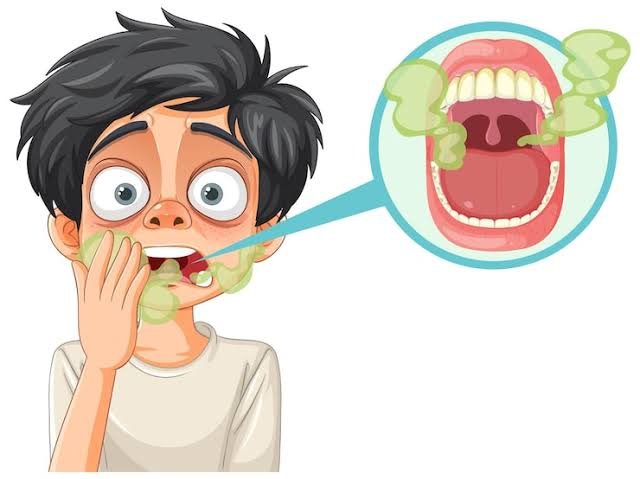
Bad breath, also known as halitosis, is a common dental concern that can affect confidence, social interactions and everyday life. While occasional bad breath may occur after eating certain foods or waking up in the morning, persistent unpleasant breath can sometimes indicate an underlying oral health problem.
The good news is that many causes of bad breath can be identified and managed with the right dental care and oral hygiene routine.
At Pain Free Dentist Sydney, we understand that discussing bad breath can feel embarrassing. Our approach is compassionate and judgement-free. Understanding the cause is the first step towards fresher breath and better oral health.
What Causes Bad Breath?
Bad breath can develop for several reasons. In many cases, the source is inside the mouth, although some medical conditions can also contribute.
1. Bacteria on the Tongue
One of the most common causes of bad breath is the accumulation of bacteria on the surface of the tongue.
The tongue has a textured surface where bacteria, food particles and dead cells can collect. These bacteria can produce unpleasant-smelling gases, particularly sulphur compounds.
Gently cleaning your tongue with a tongue scraper or toothbrush can help reduce bacterial build-up.
2. Poor Oral Hygiene
When teeth are not cleaned thoroughly, food debris and plaque can accumulate around the teeth and gum line. Bacteria break down these particles and release unpleasant odours.
Brushing twice daily, cleaning between your teeth and attending regular dental check-ups can help reduce this build-up.
3. Gum Disease
Gingivitis and periodontitis are important dental causes of persistent bad breath.
When plaque accumulates around the gums, it can cause inflammation, bleeding and infection. In more advanced gum disease, deeper periodontal pockets may develop, allowing bacteria to accumulate below the gum line.
Common signs include:
Bleeding gums when brushing or flossing
Red, swollen or tender gums
Persistent bad breath or an unpleasant taste
Gum recession
Loose teeth in advanced cases
Professional dental cleaning and appropriate periodontal treatment can help manage gum disease and reduce associated odour.
4. Tooth Decay and Dental Infections
Untreated tooth decay, damaged restorations and dental infections may contribute to bad breath.
Food and bacteria can become trapped in cavities or around damaged teeth, creating an environment where unpleasant odours develop. Dental abscesses may also cause a persistent foul taste or smell.
If you experience toothache, swelling, pus or facial swelling, arrange a dental assessment promptly.
5. Dry Mouth
Saliva plays an important role in maintaining oral health. It helps wash away food particles, neutralise acids and control bacterial growth.
When saliva production decreases, bacteria and debris can accumulate more easily, contributing to bad breath.
Dry mouth may be associated with:
Certain medications
Dehydration
Mouth breathing
Smoking
Some medical conditions
Sleeping with your mouth open
Drinking water regularly and discussing persistent dry mouth with your dentist or doctor may help identify the underlying cause.
6. Smoking and Alcohol
Smoking can contribute to unpleasant breath, dry mouth, gum disease and increased plaque accumulation. Alcohol may also contribute to dryness in the mouth.
Reducing or stopping smoking can improve both breath freshness and overall oral health.
7. Food and Dietary Habits
Foods such as garlic, onions and certain spices can temporarily affect breath. Some odours enter the bloodstream after digestion and are released through the lungs.
Skipping meals or following restrictive diets may also contribute to unpleasant breath in some people.
Can Bad Breath Be a Sign of a Medical Condition?
Although most persistent bad breath originates in the mouth, some cases may be associated with conditions outside the oral cavity.
Possible contributing conditions include:
Chronic sinusitis or nasal infections
Tonsil stones
Acid reflux
Certain respiratory infections
Some metabolic or systemic conditions
If a dental examination does not identify an oral cause, your dentist may recommend further assessment by your medical practitioner.
How Can You Get Rid of Bad Breath?
Managing bad breath starts with identifying its cause rather than simply masking the smell with mouthwash or breath mints.
Here are some practical steps to help maintain fresher breath.
Brush Your Teeth Twice Daily
Brush for two minutes, morning and night, using fluoride toothpaste. Pay particular attention to the gum line, where plaque can accumulate.
Clean Between Your Teeth
A toothbrush cannot effectively reach every surface between the teeth. Dental floss or interdental brushes can help remove trapped food and plaque.
Clean Your Tongue
Gently clean your tongue daily to reduce bacteria and debris that may contribute to unpleasant breath.
Stay Hydrated
Drink sufficient water throughout the day to help maintain saliva flow and reduce dry mouth.
Attend Regular Dental Check-ups
Professional dental examinations can help identify gum disease, tooth decay, defective restorations and other potential sources of bad breath.
Avoid Smoking
Smoking cessation can improve breath, gum health and general oral health.
Does Mouthwash Help with Bad Breath?
Mouthwash may temporarily improve breath freshness, but it does not necessarily treat the underlying cause.
Some therapeutic mouthwashes can help reduce oral bacteria or manage gum inflammation when used appropriately. However, relying on mouthwash alone may mask symptoms while plaque, gum disease or tooth decay remains untreated.
Your dentist can recommend an appropriate mouthwash based on your individual oral health needs.
When Should You See a Dentist About Bad Breath?
Occasional bad breath is usually not a major concern. However, persistent bad breath that continues despite good oral hygiene deserves attention.
You should consider a dental examination if you experience:
Bad breath that does not improve with brushing
Persistent unpleasant taste in your mouth
Bleeding or swollen gums
Frequent dry mouth
Toothache or suspected tooth decay
Food becoming trapped around teeth or dental restorations
Loose teeth or gum recession
Early assessment can help identify treatable dental conditions before they become more complicated.
Fresh Breath Starts with Good Oral Health
Bad breath is not something you need to feel embarrassed about. It is a common concern, and in many cases, the cause can be identified through a thorough dental examination.
Maintaining good oral hygiene, treating gum disease, addressing tooth decay and managing dry mouth can all contribute to fresher breath and healthier teeth and gums.
At Pain Free Dentist Sydney – Dr Lisa Chong, we provide gentle, patient-centred dental care in Dulwich Hill and surrounding Sydney suburbs. If you are concerned about persistent bad breath, we welcome you to arrange an examination so we can help identify the possible cause and discuss suitable treatment options.
Contact Pain Free Dentist Sydney
Phone: 02 9558 8988
Email: info@painfreedentistsydney.com.au
Website: painfreedentistsydney.com.au
Location: G1A, 570 New Canterbury Road, Hurlstone Park NSW 2193