SEO-Optimised Dental Blog | Pain Free Dentist Sydney – Dulwich Hill
What Is Botox Treatment for TMJ Disorder?
Temporomandibular Joint Disorder (TMJ disorder), also known as TMD, can cause persistent jaw pain, facial muscle tension, headaches, teeth grinding and difficulty opening the mouth.
For some patients, excessive activity of the jaw muscles, particularly the masseter and temporalis muscles, contributes to ongoing discomfort and functional problems.
Botox, or botulinum toxin type A, is sometimes used as an additional treatment option for selected patients experiencing persistent jaw muscle pain and excessive muscle activity.
When administered into carefully selected muscles, botulinum toxin temporarily reduces muscle contraction. This may help decrease excessive muscle activity and associated discomfort.
However, Botox is not a cure for TMJ disorder. Its suitability depends on the underlying diagnosis, individual symptoms and potential risks.
How Does Botox Work for TMJ Disorder?
The masseter and temporalis muscles are two major muscles responsible for chewing and jaw movement.
In some patients with bruxism (teeth grinding and clenching), these muscles become overactive, placing repeated loading on the jaw and surrounding structures.
Botulinum toxin works by temporarily blocking the release of acetylcholine, a chemical messenger responsible for stimulating muscle contraction.
When injected into selected jaw muscles, it can:
Reduce excessive muscle contraction.
Decrease the intensity of involuntary clenching.
Potentially reduce muscle-related jaw discomfort.
Reduce tenderness associated with overactive jaw muscles.
Temporarily reduce the strength of excessive chewing muscle activity.
The treatment does not reposition the jaw joint disc, repair damaged joint structures or correct every underlying cause of TMJ disorder.
Which Muscles Are Treated with Botox?
The muscles selected for treatment depend on the patient's symptoms, examination findings and clinical diagnosis.
1. Masseter Muscle
<escape></escape>
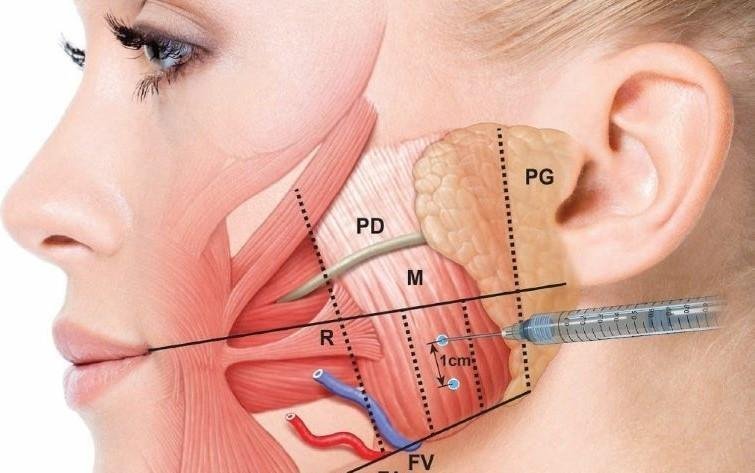
The masseter is one of the strongest muscles involved in chewing. It is located along the sides of the jaw and can become enlarged or tender in patients who frequently clench or grind their teeth.
Botox injections into selected areas of the masseter may help reduce excessive muscle activity and associated discomfort.
2. Temporalis Muscle
The temporalis muscle is located at the sides of the head, extending from the temple region towards the lower jaw.
Excessive activity or tenderness in this muscle may contribute to temple discomfort and headaches in some patients.
In selected cases, treatment may involve the temporalis muscle as well as the masseter.
Other muscles may be considered in specialist management, but treatment must be based on an accurate diagnosis and appropriate anatomical assessment.
What Symptoms May Botox Help With?
Botox may be considered for patients experiencing certain symptoms associated with excessive jaw muscle activity, including:
Persistent masseter muscle tenderness.
Jaw muscle fatigue.
Excessive teeth clenching.
Muscle-related facial pain.
Pain associated with overactive chewing muscles.
Some forms of bruxism-related discomfort.
Muscle enlargement associated with chronic clenching.
It is important to understand that not all headaches, migraines, ear symptoms or jaw joint problems are caused by excessive muscle activity. Botox may not improve symptoms arising from other conditions.
Is Botox Effective for Teeth Grinding and Bruxism?
Teeth grinding and clenching, collectively known as bruxism, can occur during sleep or while awake.
Repeated clenching may contribute to:
Tooth wear and fractures.
Jaw muscle fatigue.
Morning facial soreness.
Headaches.
Masseter muscle enlargement.
Discomfort around the temporomandibular joints.
Botox may reduce the intensity of muscle contractions in selected patients. However, it does not necessarily stop the underlying neurological activity responsible for sleep bruxism.
It also does not protect the teeth from grinding-related damage. An appropriate dental assessment and protective strategies, such as an occlusal splint when indicated, may still be necessary.
What Happens During a Botox Assessment?
Before considering Botox, a comprehensive assessment is important to establish whether the symptoms are predominantly muscular, joint-related or associated with other conditions.
At Pain Free Dentist Sydney, the assessment may include:
1. Medical and dental history
Reviewing previous jaw problems, headaches, teeth grinding, medications, medical conditions and previous treatments.
2. Jaw movement assessment
Evaluating mouth opening, jaw movement, clicking, locking and any associated discomfort.
3. Muscle examination
Assessing the masseter and temporalis muscles for tenderness, enlargement, excessive activity and areas of discomfort.
4. Bite and tooth wear assessment
Examining the teeth for evidence of excessive grinding, uneven wear and other signs of parafunctional activity.
5. Imaging when indicated
CBCT or MRI may be considered when further investigation of the jaw joints and surrounding structures is clinically necessary.
6. Individualised treatment planning
Discussing whether Botox is appropriate, alternative treatment options, expected benefits, limitations and potential adverse effects.
How Long Does Botox for TMJ Last?
Botulinum toxin has a temporary effect. Muscle activity gradually returns as the effect wears off.
Some patients may begin noticing changes within several days, with the full effect generally developing over approximately two weeks.
The duration varies between individuals, but effects commonly last around three to four months.
Repeated treatment should not be automatic. Each session should be reviewed according to the patient's symptoms, muscle function, response to previous treatment and potential cumulative risks.
Are There Risks or Side Effects of Botox for TMJ?
Like any medical procedure, Botox treatment carries potential risks and should only be considered after an appropriate clinical assessment.
Possible side effects include:
Temporary injection-site discomfort.
Bruising or swelling.
Temporary chewing weakness.
Muscle fatigue.
Facial asymmetry or changes in facial expression.
Unwanted changes in smile appearance.
Difficulty chewing certain foods.
Unintended effects on nearby muscles.
Repeated injections into the masseter muscles may also contribute to muscle atrophy and changes in mandibular bone structure. The long-term significance of these changes is still being investigated.
Rarely, botulinum toxin effects may spread beyond the injection site and cause more serious symptoms, including difficulty swallowing, speaking or breathing. These require immediate medical attention.
A careful discussion of risks and alternatives is essential before treatment.
Is Botox Better Than a TMJ Splint?
Botox and occlusal splint therapy work differently.
An occlusal splint is designed to provide a protective appliance for the teeth and may help manage certain forms of jaw muscle and joint discomfort.
Botox temporarily reduces muscle contraction in selected muscles.
Neither treatment is suitable for every patient, and they are not necessarily alternatives to each other. In some cases, they may be considered as part of a broader management plan.
Treatment should be based on the patient's clinical findings rather than assuming that every TMJ problem requires injections or a splint.
Can Botox Alone Treat TMJ Disorder?
Usually, Botox should not be regarded as a standalone treatment for complex TMJ disorders.
TMJ dysfunction can involve multiple contributing factors, including:
Muscle overactivity and myofascial pain.
Joint disc displacement.
Degenerative joint changes.
Teeth grinding and clenching.
Previous facial or neck injuries.
Sleep disturbances.
Stress and behavioural factors.
Associated cervical muscle dysfunction.
A comprehensive treatment plan may include education, behavioural management, physiotherapy, appropriate splint therapy and medical or specialist referral when required.
The aim is to address the contributing factors rather than simply temporarily reducing muscle contraction.
Botox for TMJ Disorder at Pain Free Dentist Sydney
At Pain Free Dentist Sydney in Dulwich Hill, we recognise that chronic jaw pain and muscle tension can significantly affect everyday life.
Dr Lisa Chong takes an individualised approach to TMJ assessment, examining jaw movement, muscle activity, bite function and relevant contributing factors before discussing suitable treatment options.
For selected patients, Botox may be considered as an adjunctive treatment to help manage excessive jaw muscle activity and associated discomfort.
We believe in informed decision-making, realistic treatment expectations and careful monitoring.
If you experience persistent jaw pain, teeth grinding, facial muscle tension or headaches associated with jaw dysfunction, contact our clinic to arrange a comprehensive assessment.
Pain Free Dentist Sydney – Dulwich Hill
Phone: 02 9558 8988
Email: info@painfreedentistsydney.com.au
Website: https://painfreedentistsydney.com.au
Understanding your jaw muscle activity is an important step towards choosing an appropriate treatment approach.