What Is Bruxism?
Bruxism is teeth grinding or clenching, often occurring during sleep (sleep bruxism) or while awake. Over time, excessive pressure on the teeth can lead to cracks, fractures, and worn enamel.
Patients in Sydney commonly notice tooth sensitivity, pain while chewing, or visible cracks, prompting urgent dental evaluation.
How Bruxism Causes Cracked Teeth
Excessive force: Constant grinding or clenching wears down enamel and weakens teeth
Misaligned bite: Uneven pressure concentrates stress on certain teeth
Nighttime grinding: Repetitive micro-trauma during sleep increases risk of cracks
Underlying TMJ issues: Muscle tension can worsen bite stress
Signs and Symptoms of Cracked Teeth
Pain when chewing or biting
Sensitivity to hot or cold foods/drinks
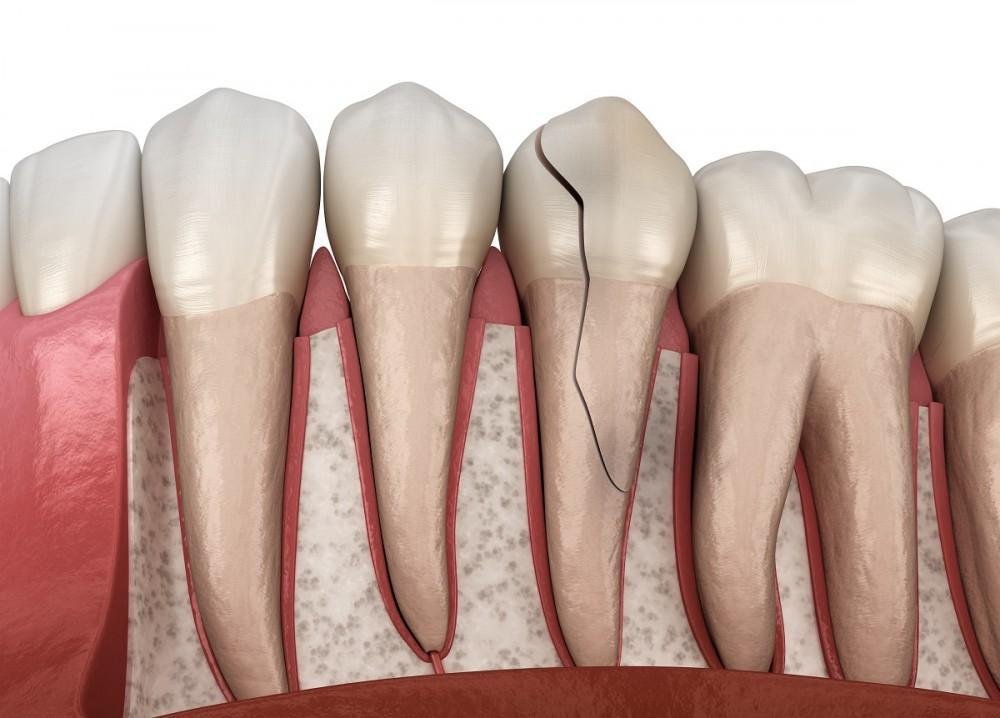
Visible lines or fractures in teeth
Occasional swelling or irritation of surrounding gums
Difficulty chewing on one side
Early detection is crucial to prevent tooth loss or infection.
Management and Treatment Options
1. Dental Bonding / Composite Build-Up
Restores minor cracks and worn areas
Reinforces tooth structure
Improves aesthetics and function
2. Crowns
Recommended for moderate to severe cracks
Protects the tooth from further damage
Restores proper bite and occlusion
3. Night Guards
Custom-fitted guards protect teeth from grinding
Reduces risk of future cracks
Relieves jaw tension and TMJ stress
4. Bite Adjustment
Minor reshaping of teeth to distribute forces evenly
Often combined with orthodontic or restorative treatment
5. Root Canal Therapy
Needed if cracks extend into the pulp or cause infection
Saves the tooth while relieving pain
Preventing Future Cracks
Wear a custom night guard if you grind teeth
Manage stress and reduce jaw clenching
Avoid hard foods or chewing on non-food items
Regular dental check-ups for early detection
Address TMJ issues to reduce muscle tension
Final Thoughts
Cracked teeth from bruxism are preventable and manageable with early intervention. Restorative treatments like composite build-ups, crowns, and bite adjustments, combined with night guards and TMJ therapy, can relieve pain, restore function, and prevent future damage. Patients in Sydney should consult a dentist promptly if they notice cracks or tooth sensitivity.