
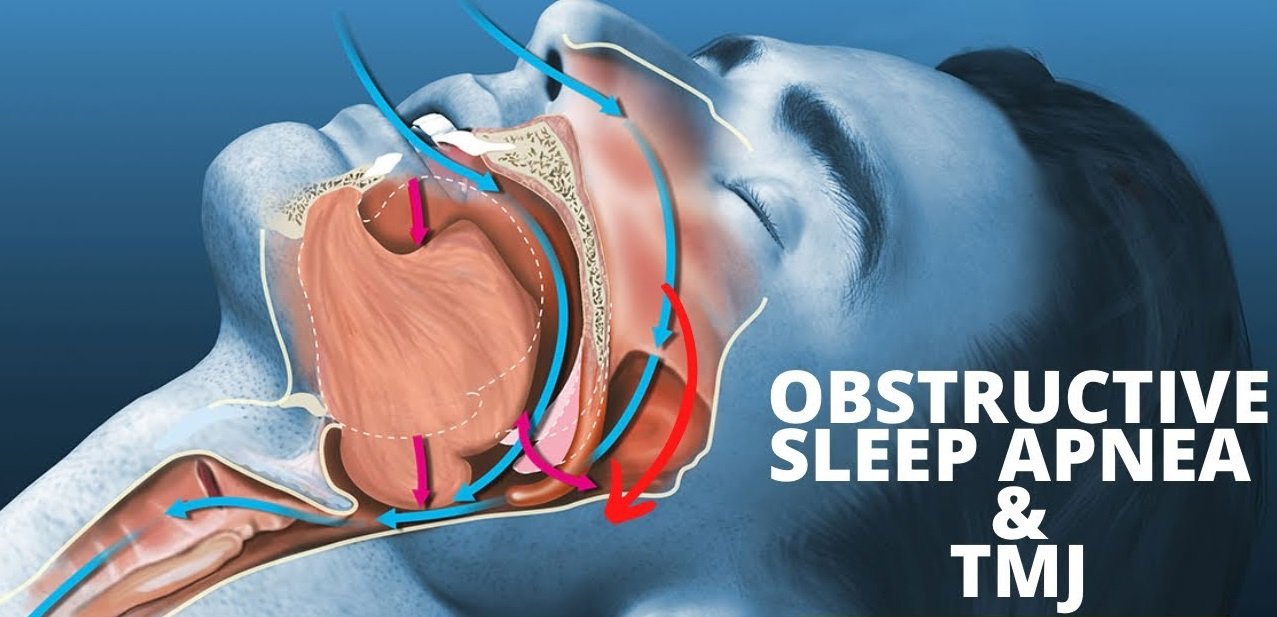
What Is Sleep Apnea?
Sleep apnea is a sleep disorder where breathing repeatedly stops and starts. Common symptoms include:
Loud snoring
Daytime fatigue
Morning headaches
Difficulty concentrating
When left untreated, sleep apnea can lead to cardiovascular issues, mood disorders, and poor overall health.
What Is TMJ Disorder?
TMJ (temporomandibular joint) disorder affects the jaw joint and surrounding muscles. Symptoms include:
Jaw pain, stiffness, or clicking
Headaches or facial pain
Teeth grinding (bruxism)
Difficulty opening or closing the mouth
How TMJ and Sleep Apnea Are Connected
Jaw Position and Airway Restriction
Misaligned jaws from TMJ issues can reduce airway space, worsening sleep apnea.
Bruxism Link
TMJ patients often grind or clench teeth, which is associated with micro-arousals during sleep and worsened apnea.
Muscle Tension
TMJ-related muscle tension may interfere with proper jaw posture during sleep, reducing airway openness.
Sleep Disruption
Pain and tension from TMJ can make it harder to stay asleep, compounding the effects of sleep apnea.
Treatment Options for Patients with Both Conditions
1. Oral Appliance Therapy
Custom devices reposition the jaw to open the airway while relieving TMJ strain
Can reduce both snoring and sleep apnea events
2. TMJ Therapy
Night guards for bruxism
Botox or PBM laser therapy to relax jaw muscles
Jaw exercises and physical therapy
3. Lifestyle Modifications
Weight management
Sleep position adjustments (side sleeping)
Stress reduction techniques
4. CPAP or Combined Approaches
Severe sleep apnea may still require CPAP
Often combined with TMJ management for optimal comfort and effectiveness
Tips for Patients
Address both TMJ and sleep apnea simultaneously for best results
Regular dental and sleep assessments are key
Early intervention can prevent worsening symptoms and systemic health issues
Final Thoughts
TMJ disorders and sleep apnea are interconnected conditions. Proper diagnosis and combined treatment—oral appliances, jaw therapy, and lifestyle adjustments—can relieve jaw pain, improve sleep quality, and enhance overall health. Patients in Sydney should consult a sleep dentist or TMJ specialist to evaluate both conditions together.