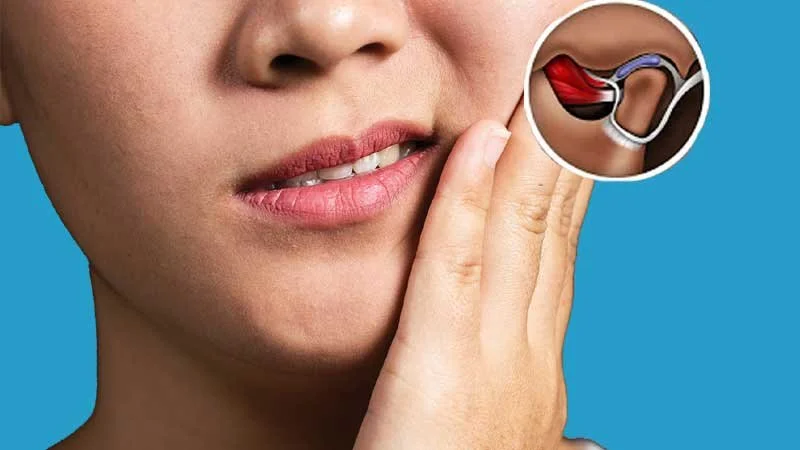
Some patients notice jaw pain, clicking, or discomfort after orthodontic treatment such as braces or aligners. While orthodontics is designed to improve bite alignment, in some cases patients may experience or become aware of temporomandibular joint (TMJ) dysfunction symptoms afterward.
🧠 What Is TMJ Dysfunction?
TMJ dysfunction (TMD) affects the joint connecting your jawbone to your skull. This joint controls chewing, speaking, and jaw movement.
When it is not functioning properly, it may cause:
Jaw pain or tightness
Clicking or popping sounds
Headaches or migraines
Ear pain or pressure
Difficulty opening or closing the mouth
Teeth clenching or grinding
🦷 Can Orthodontic Treatment Affect TMJ?
Orthodontic treatment (such as braces or clear aligners) is designed to improve bite alignment and long-term oral health. However, in some cases, patients may experience TMJ symptoms during or after treatment.
This does not necessarily mean orthodontics caused TMJ disorder. Instead, symptoms may be related to:
Pre-existing jaw joint issues that became noticeable after bite changes
Muscle adaptation during orthodontic movement
Teeth grinding or clenching (bruxism) during treatment
Stress-related jaw tension
Natural progression of TMJ conditions over time
⚠️ Common Symptoms After Orthodontic Treatment
Patients experiencing TMJ dysfunction may report:
Jaw soreness or fatigue
Clicking or popping in the jaw joint
Uneven bite sensation
Headaches, especially in the morning
Tight facial muscles
Ear discomfort without infection
If these symptoms persist, a professional TMJ assessment is recommended.
🧪 How Dentists Diagnose TMJ Issues
A dentist will typically:
Examine jaw movement and alignment
Assess bite function
Check for muscle tenderness
Review orthodontic history
Take imaging if required (e.g., X-rays or scans)
This helps determine whether symptoms are muscular, joint-related, or bite-related.
💊 Treatment Options for TMJ Dysfunction
Treatment depends on severity but may include:
🦷 1. Splint or Night Guard Therapy
Helps reduce grinding and jaw pressure.
💉 2. Botox for TMJ
Relaxes overactive jaw muscles and reduces pain.
🧘 3. Jaw Physiotherapy
Exercises to improve movement and reduce tension.
💊 4. Pain Management
Anti-inflammatory strategies and lifestyle changes.
🦷 5. Bite Adjustment or Review
In selected cases, further dental assessment may help improve function.
💡 Can TMJ Symptoms Improve Over Time?
Yes. Many patients experience improvement with conservative treatment, especially when:
Muscle tension is managed early
Night grinding is controlled
Jaw function is supported with therapy
Early intervention often leads to better outcomes.
📍 TMJ Assessment in Sydney
At Pain Free Dentist Sydney, we assess jaw pain and TMJ dysfunction with a gentle, evidence-based approach. We focus on identifying the underlying cause and tailoring treatment to your needs.
📞 Book a TMJ Consultation
If you are experiencing jaw pain or suspect TMJ dysfunction after orthodontic treatment, professional assessment is recommended.
👉 Pain Free Dentist Sydney
📞 Call us: (02) 9558 8988
📧 Email: info@painfreedentistsydney.com.au
💻 Or book online today
❓ FAQs
Can braces cause TMJ disorder?
Braces do not directly cause TMJ disorder, but symptoms may appear or become noticeable during or after treatment in some patients.
Will TMJ symptoms go away after orthodontics?
For many patients, symptoms improve over time with proper management and muscle relaxation.
Should I stop orthodontic treatment if I have jaw pain?
Not necessarily—consult your dentist or orthodontist for evaluation before making changes.