Temporomandibular Joint Disorder (TMJ or TMD) affects millions of people worldwide, causing symptoms such as jaw pain, headaches, teeth grinding, and difficulty chewing. While traditional treatments like mouthguards and physical therapy remain common, many patients are now turning to Botox for TMJ relief as an effective and minimally invasive treatment option.
In this article, we’ll explore how Botox works for TMJ, its benefits, procedure details, side effects, and why it has become a popular treatment for chronic jaw tension and discomfort.
What Is TMJ Disorder?
The temporomandibular joint (TMJ) connects your jawbone to your skull and helps you perform essential movements like speaking, chewing, and yawning. When this joint becomes inflamed or strained, it can lead to Temporomandibular Joint Disorder (TMD).
Common Symptoms of TMJ Include:
Jaw pain or tenderness
Clicking or popping sounds in the jaw
Chronic headaches or migraines
Teeth grinding (bruxism)
Facial pain
Difficulty opening or closing the mouth
Ear pain or pressure
TMJ symptoms can range from mild discomfort to severe chronic pain that impacts daily life.
What Is Botox for TMJ?
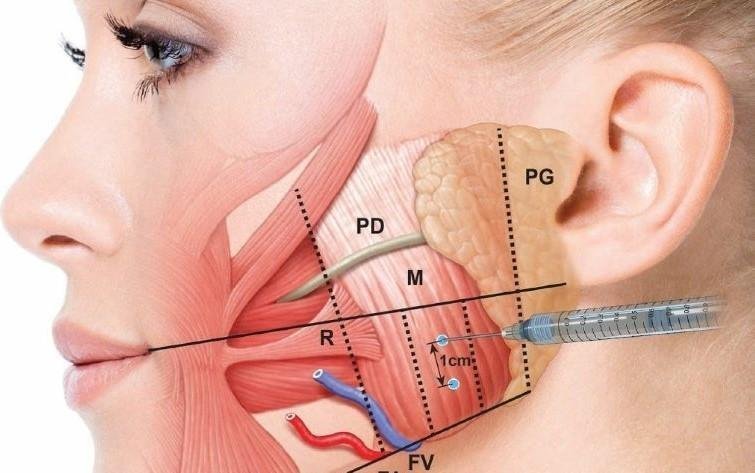
Botox is a purified protein derived from botulinum toxin that temporarily relaxes muscles. When injected into overactive jaw muscles, Botox reduces muscle tension and minimizes excessive clenching or grinding.
Botox for TMJ is commonly injected into:
Masseter muscles (jaw muscles)
Temporalis muscles
Forehead or neck muscles in some cases
By relaxing these muscles, Botox helps reduce pressure on the temporomandibular joint and relieves pain.
How Botox Helps TMJ Symptoms
Relieves Jaw Tension
Botox reduces excessive muscle contractions that contribute to jaw pain and stiffness.
Minimizes Teeth Grinding and Clenching
Patients who grind their teeth at night often experience reduced bruxism after Botox treatment.
Reduces Headaches and Facial Pain
TMJ-related tension headaches and migraines may improve significantly with muscle relaxation.
Improves Jaw Movement
Many patients notice improved comfort while chewing, speaking, and opening their mouths.
Non-Surgical Treatment Option
Botox offers a minimally invasive alternative to surgical TMJ procedures.
What to Expect During the Botox Procedure
Botox treatment for TMJ is quick and typically completed within 15–30 minutes.
The Procedure Includes:
Consultation and evaluation
Identification of overactive jaw muscles
Small Botox injections into targeted areas
Minimal downtime after treatment
Most patients can resume normal activities immediately after the appointment.
How Long Does Botox for TMJ Last?
Results usually begin appearing within a few days, with full effects noticeable after about 1–2 weeks.
Botox results generally last:
3 to 6 months
Repeat treatments may be recommended to maintain long-term relief.
Benefits of Botox for TMJ
Quick and Convenient
Treatment sessions are fast and require little recovery time.
Minimally Invasive
No surgery or lengthy healing process is involved.
Effective Pain Relief
Many patients experience significant improvement in jaw pain and headaches.
Helps Prevent Tooth Damage
Reducing grinding and clenching can protect teeth from excessive wear.
Cosmetic Slimming Effect
Some patients notice a slimmer jawline due to relaxation of enlarged masseter muscles.
Are There Any Side Effects?
Botox for TMJ is generally safe when performed by a qualified professional. However, some temporary side effects may occur, including:
Mild swelling or bruising
Tenderness at injection sites
Temporary muscle weakness
Slight changes in chewing strength
Serious complications are rare when treatment is administered correctly.
Who Is a Good Candidate for Botox TMJ Treatment?
Botox may be suitable for individuals who:
Experience chronic jaw pain
Grind or clench their teeth
Have tension headaches related to TMJ
Have not found relief with traditional treatments
At Pain Free Dentist Sydney, we offer Botox for TMJ treatment and symptom managment. Reach out to us at 95588988 or email us at info@painfreedentistsydney.com.au