Dental technology has advanced rapidly in recent years, and one of the most innovative treatments transforming modern dentistry is dental laser therapy. From treating gum disease to whitening teeth and performing cavity procedures, laser dentistry offers patients a more comfortable, precise, and minimally invasive experience.
In this article, we’ll explore what dental laser therapy is, its benefits, common procedures, safety considerations, and why more patients are choosing laser treatments for their dental care.
What Is Dental Laser Therapy?
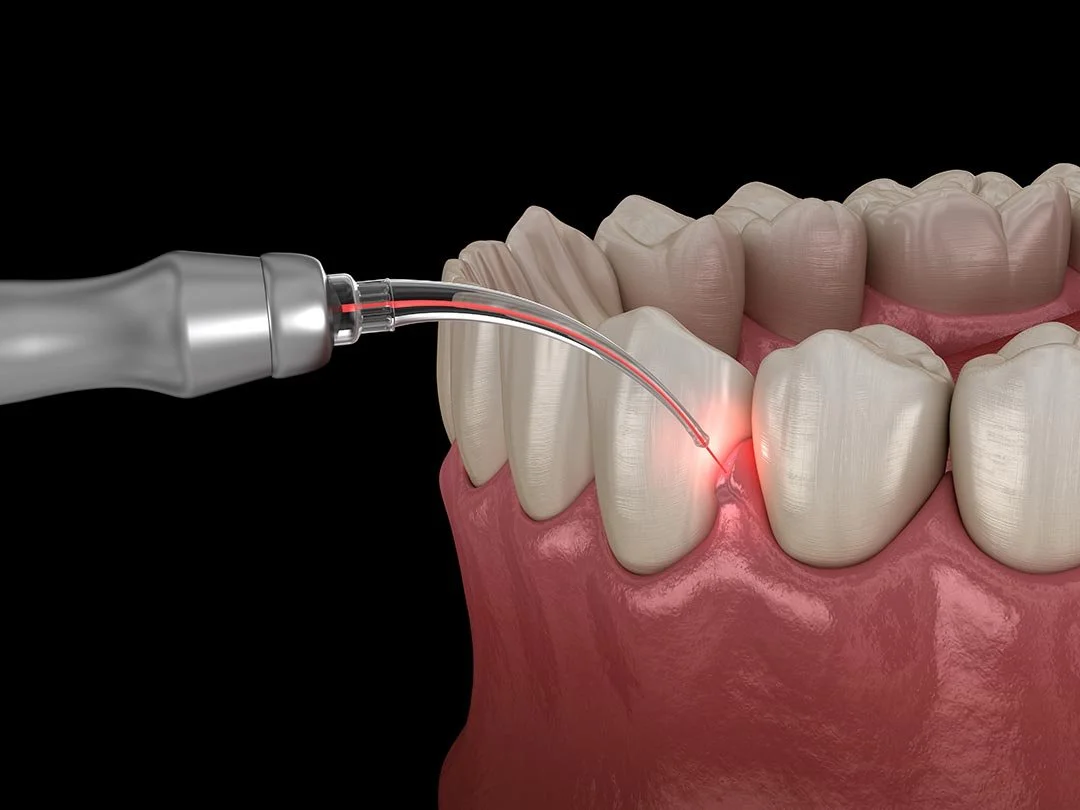
Dental laser therapy is a modern dental treatment that uses focused light energy (lasers) to perform a variety of dental procedures. The term “laser” stands for Light Amplification by Stimulated Emission of Radiation.
Dentists use specialized dental lasers to:
Remove or reshape soft tissue
Treat gum disease
Detect cavities
Whiten teeth
Reduce bacteria in the mouth
Perform minimally invasive surgeries
Unlike traditional dental tools such as drills or scalpels, lasers provide greater precision and often reduce discomfort during procedures.
Types of Dental Lasers
There are two primary types of lasers used in dentistry:
1. Soft Tissue Lasers
Soft tissue lasers are commonly used for procedures involving the gums and other soft tissues in the mouth.
Common uses include:
Gum reshaping
Treating periodontal disease
Removing bacteria
Treating tongue ties
2. Hard Tissue Lasers
Hard tissue lasers are designed to work on teeth and bone.
They are commonly used for:
Detecting cavities
Removing tooth decay
Preparing teeth for fillings
Benefits of Dental Laser Therapy
Minimally Invasive Treatment
Laser dentistry often eliminates the need for scalpels and sutures, making procedures less invasive.
Reduced Pain and Discomfort
Many patients report less pain during and after treatment compared to traditional methods. In some cases, anesthesia may not even be necessary.
Faster Healing Time
Laser procedures typically cause less trauma to surrounding tissues, leading to quicker recovery and healing.
Less Bleeding and Swelling
Because lasers seal blood vessels as they work, patients often experience minimal bleeding and inflammation.
Lower Risk of Infection
Dental lasers sterilize the treatment area, reducing bacteria and lowering the chance of infection.
Greater Precision
Lasers target specific areas without affecting nearby healthy tissue, improving treatment accuracy.
Common Dental Procedures Using Laser Therapy
Gum Disease Treatment
Dental lasers are highly effective in removing infected gum tissue and bacteria associated with periodontal disease.
Teeth Whitening
Laser-assisted teeth whitening can accelerate the bleaching process, delivering faster and brighter results.
Cavity Detection and Treatment
Lasers can identify early tooth decay and remove cavities with minimal discomfort.
Gum Contouring
Patients with excessive gum tissue or uneven gum lines can benefit from laser gum reshaping procedures.
Root Canal Disinfection
Lasers help sterilize root canals more effectively by eliminating bacteria deep within the tooth.
Cold Sore and Ulcer Treatment
Laser therapy may reduce pain and speed healing for canker sores and cold sores.
Is Dental Laser Therapy Safe?
Yes, dental laser therapy is considered safe when performed by a trained and qualified dentist. Dental professionals use protective measures, including specialized eyewear, to ensure patient safety during procedures.
However, not every dental issue can be treated with lasers. Your dentist will determine whether laser therapy is the best option based on your oral health needs.
Who Is a Good Candidate for Laser Dentistry?
Laser dentistry may be ideal for patients who:
Experience dental anxiety
Prefer minimally invasive procedures
Have gum disease
Need cosmetic dental treatments
Want faster healing and recovery
Patients with severe dental conditions may still require traditional treatment methods.
Cost of Dental Laser Therapy
The cost of dental laser therapy depends on:
Type of procedure
Complexity of treatment
Location of the dental clinic
Dentist’s expertise
Although laser treatments may cost slightly more upfront, many patients find the added comfort and faster recovery worthwhile.
Tips for Choosing a Laser Dentist
When selecting a dentist for laser therapy, consider the following:
Verify laser dentistry certifications
Read patient reviews
Ask about the dentist’s experience
Discuss treatment options and pricing
Ensure the clinic uses modern dental technology
The Future of Laser Dentistry
As dental technology continues to evolve, laser dentistry is expected to become even more advanced and widely accessible. Patients increasingly seek comfortable, efficient, and minimally invasive dental care, making laser therapy a growing trend in modern dental practices.
Final Thoughts
Dental laser therapy is revolutionizing the way dentists diagnose and treat oral health conditions. With benefits such as reduced pain, faster healing, greater precision, and improved patient comfort, laser dentistry offers an innovative alternative to traditional dental procedures.
If you are considering dental treatment and want a less invasive experience, talk to your dentist about whether laser therapy is right for you.
At Pain Free Dentist Sydney, we offer Laser treatment to ensure the best results for our patients. Want to know more? Give us a call on 95588988 or email us at info@painfreedentistsydney.com.au