Jaw pain, clicking sounds when chewing, headaches, and facial tension can all point to a common condition known as temporomandibular joint disorder (TMD) — often shortened to TMJ. One modern treatment option gaining attention is Botox therapy.
If you’ve heard about Botox for wrinkles, you might be surprised to learn it can also help with jaw pain.
What Is TMJ Disorder?
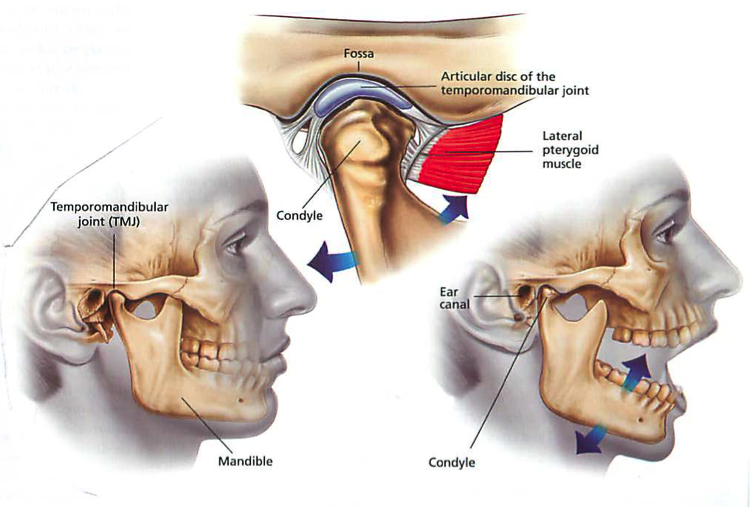
Temporomandibular Joint Disorder refers to problems affecting the jaw joint and surrounding muscles. These issues can cause:
Jaw pain or tenderness
Clicking or popping sounds
Headaches or migraines
Difficulty chewing
Jaw locking in severe cases
TMJ disorders are often linked to stress, teeth grinding (bruxism), arthritis, or misaligned bites.
How Botox Helps TMJ Pain
Botox is the brand name for a purified protein called botulinum toxin. In dental treatment, it is used in very small, controlled doses.
Botox works by temporarily relaxing overactive jaw muscles — especially the masseter and temporalis muscles.
When these muscles are overworked, they can contribute to:
Clenching and grinding
Muscle fatigue
Tension headaches
Jaw joint pressure
By relaxing these muscles, Botox helps reduce strain on the TMJ and provides pain relief.
Benefits of Botox for TMJ Relief
Patients often choose Botox when traditional treatments aren’t enough. Benefits may include:
1. Pain Reduction
Less muscle tension means reduced jaw and facial pain.
2. Fewer Headaches
Relieving jaw muscle strain can reduce tension headaches.
3. Less Teeth Grinding
Botox weakens the force of clenching, protecting teeth from wear.
4. Improved Jaw Comfort
Chewing and speaking may become easier and less painful.
What to Expect During Treatment
Botox for TMJ is a quick in-chair procedure:
The dentist evaluates your jaw muscles and symptoms
Small injections are placed into targeted muscles
No anesthesia is usually required
The procedure takes about 10–20 minutes
Results typically begin within a few days and peak after 2–3 weeks.
How Long Does It Last?
Effects usually last 3 to 4 months, after which repeat treatment may be needed depending on symptoms and muscle activity.
Is Botox for TMJ Safe?
When performed by a trained dental professional, Botox is considered safe and well-tolerated. Side effects are usually mild and temporary, such as:
Slight bruising at injection sites
Temporary muscle weakness
Mild soreness
Serious complications are rare when properly administered.
Who Is a Good Candidate?
You may benefit from Botox for TMJ if you experience:
Chronic jaw pain
Teeth grinding or clenching
Limited relief from night guards or physiotherapy
Tension headaches linked to jaw muscles
A dental assessment is essential to confirm whether TMJ is the root cause of symptoms.
Botox vs Other TMJ Treatments
Traditional TMJ treatments include:
Night guards
Stress management
Physiotherapy
Anti-inflammatory medication
Botox is often used when these methods don’t fully control symptoms or when muscle overactivity is a major factor.
Final Thoughts
Botox is becoming a valuable tool in modern dental care for managing TMJ-related muscle pain. While it is not a permanent cure, it can significantly improve quality of life for patients dealing with chronic jaw tension and discomfort.
If you’re struggling with jaw pain, a dental consultation can help determine whether Botox is the right option for you.