Many people think sleep issues and jaw pain are unrelated — but dentistry tells a different story. Conditions like sleep apnea, teeth grinding, and jaw joint disorders are often closely connected.
Understanding this relationship can help identify the real cause of chronic fatigue, headaches, and facial pain.
What Is Sleep Apnea?
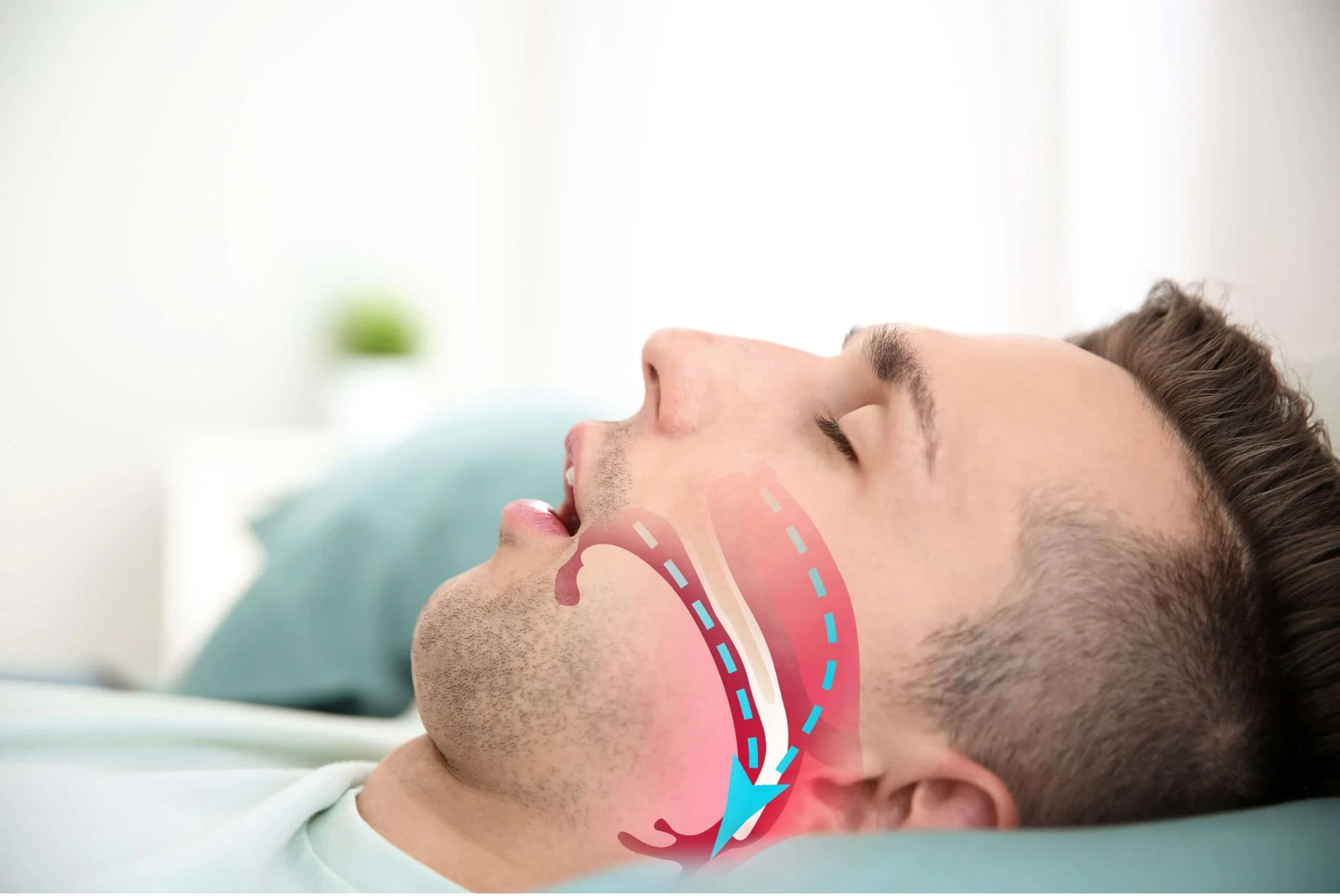
Obstructive Sleep Apnea is a common condition where breathing repeatedly stops during sleep due to airway obstruction.
Common signs include:
Loud snoring
Gasping or choking during sleep
Daytime fatigue
Morning headaches
Poor concentration
Left untreated, it can impact heart health, energy levels, and quality of life.
How Dental Problems Are Connected
Dentists often spot early signs of sleep apnea during routine check-ups. This is because the mouth, jaw, and airway are closely linked.
Common dental indicators include:
Worn or flattened teeth (from grinding)
Jaw tension or pain
Small or recessed jaw structure
Dry mouth upon waking
Tongue scalloping (indentations on the tongue edges)
Many of these signs overlap with jaw disorders.
TMJ Disorder and Sleep Apnea Connection
Temporomandibular Joint Disorder affects the jaw joint and surrounding muscles, often causing pain, clicking, and restricted movement.
The connection between TMJ and sleep apnea includes:
1. Airway Restriction
A misaligned jaw or tight jaw muscles can contribute to a narrower airway during sleep.
2. Teeth Grinding (Bruxism)
Many sleep apnea patients grind their teeth at night as the body tries to reopen the airway.
3. Jaw Muscle Overuse
Chronic clenching increases strain on the TMJ, leading to pain and inflammation.
Teeth Grinding: The Missing Link
Bruxism (teeth grinding) is one of the strongest links between sleep apnea and TMJ disorders.
It can lead to:
Tooth wear and fractures
Jaw soreness
Headaches
Sleep disruption
In many cases, grinding is not just a habit — it can be a response to airway obstruction during sleep.
How Dentists Help Diagnose the Problem
Dentists play a key role in identifying sleep-related breathing issues. They may look for:
Signs of bruxism
Jaw alignment problems
Airway size and tongue position
TMJ tenderness or dysfunction
In some cases, referral to a sleep physician for a formal sleep study may be recommended.
Treatment Options
Treatment depends on severity and underlying cause. Common approaches include:
1. Mandibular Advancement Devices
Custom dental appliances that help keep the airway open during sleep.
2. Night Guards
Protect teeth from grinding and reduce TMJ strain.
3. TMJ Therapy
Includes muscle relaxation techniques, physiotherapy, or Botox in some cases.
4. CPAP Therapy
For moderate to severe sleep apnea, continuous positive airway pressure may be prescribed.
Why Early Diagnosis Matters
Untreated sleep apnea can worsen:
TMJ pain
Tooth damage
Chronic fatigue
Cardiovascular risk
Early dental detection can significantly improve long-term outcomes.
Final Thoughts
Sleep apnea, TMJ disorder, and dental health are deeply interconnected. Jaw alignment, airway health, and muscle activity all influence one another.
If you experience jaw pain, grinding, or poor sleep, a dental evaluation could be the first step toward finding lasting relief.