What Are Dental Implants?
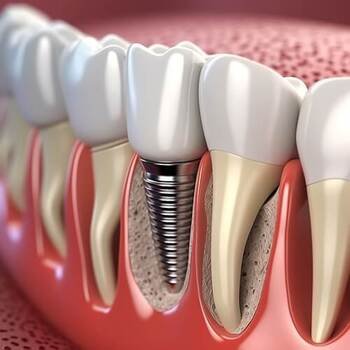
Dental implants are a long-term solution for replacing missing teeth. They act as artificial tooth roots that support replacement teeth such as crowns, bridges, or full-arch prosthetics.
Made from biocompatible titanium, implants fuse with the jawbone to create a strong and stable foundation for natural-looking teeth.
They are widely considered the most durable and functional tooth replacement option available today.
How Do Dental Implants Work?
A dental implant replaces both the root and the visible part of a missing tooth.
The system has three main parts:
Implant post: titanium screw placed into the jawbone
Abutment: connector between implant and crown
Crown: custom-made artificial tooth
Over time, the implant integrates with the bone in a process called osseointegration, creating a stable and permanent base.
Types of Dental Implants
Single Dental Implants
Used to replace one missing tooth without affecting surrounding teeth.
Implant-Supported Bridges
Used when multiple adjacent teeth are missing.
Full Arch Implants
Full Arch Tooth Loss can be treated using solutions such as All-on-4 or All-on-6 implant systems.
Benefits of Dental Implants
Natural Look and Feel
Implants are designed to look and function like real teeth.
Long-Term Solution
With proper care, implants can last decades.
Bone Preservation
Implants stimulate the jawbone and help prevent bone loss.
Improved Chewing Function
Patients can eat a wide variety of foods comfortably.
Protects Adjacent Teeth
No need to grind down healthy teeth as with bridges.
High Success Rate
Dental implants have one of the highest success rates in dentistry when placed correctly.
Who Is a Good Candidate for Dental Implants?
You may be suitable if you:
Have one or more missing teeth
Have healthy gums
Have adequate jawbone density
Are in good general health
Do not smoke heavily or are willing to quit
A dental assessment is required to confirm suitability.
The Dental Implant Procedure
1. Consultation & Planning
Dental examination
X-rays or 3D CBCT scans
Treatment planning
2. Tooth Removal (If Needed)
Any failing or damaged teeth are removed before implant placement.
3. Implant Placement
A titanium post is surgically placed into the jawbone.
4. Healing Phase
Over 3–6 months, the implant fuses with the bone.
5. Crown Placement
A custom crown is attached to restore full function and appearance.
Recovery After Dental Implants
Most patients experience mild discomfort for a few days.
Recovery tips:
Eat soft foods initially
Maintain good oral hygiene
Avoid smoking
Follow post-operative instructions
Attend follow-up appointments
Healing time varies depending on the complexity of treatment.
How Long Do Dental Implants Last?
Implant posts can last 20+ years or more
Crowns may need replacement after 10–15 years
Longevity depends on oral hygiene and lifestyle factors
Are Dental Implants Painful?
The procedure is typically performed under local anaesthetic or sedation. Most patients report that discomfort is less than expected and manageable with standard pain relief.
Dental Implants vs Other Options
Implants vs Dental Bridges
Implants do not damage adjacent teeth
Bridges may need replacement sooner
Implants vs Dentures
Implants are fixed and stable
Dentures are removable and may slip
Risks and Complications
While highly successful, potential risks include:
Infection
Implant failure
Nerve irritation (rare)
Sinus complications (upper jaw cases)
Proper planning and experienced clinicians reduce these risks significantly.
Frequently Asked Questions
How much do dental implants cost?
Costs vary depending on complexity, location, and number of implants required.
Can smokers get dental implants?
Yes, but smoking increases the risk of implant failure and delayed healing.
How soon can I eat after implants?
Soft foods are recommended immediately after surgery, with gradual return to normal diet.
Do implants look natural?
Yes, modern crowns are designed to closely match natural teeth.
Conclusion
Dental implants are one of the most effective and long-lasting solutions for replacing missing teeth. They restore function, appearance, and confidence while helping preserve jawbone health.
A professional consultation is essential to determine the best implant option for your individual needs.